Operations cut at Alunorte and higher raw material costs lead to Hydro's weakened underlying EBIT
On Friday, March 15, Norsk Hydro reported weakened underlying earnings before interest and tax by 2.15 billion crowns ($251.61 million) in its 2018 financial report, amidst some of its positive developments like the upgrade of the Husnes Plant and the ramp-up of the Karmøy technology pilot to produce the world’s most climate and energy-efficient primary aluminium.
The decline of Hydro’s 2018 underlying EBIT could be because of the higher raw material costs and reduced operations at Hydro’s Alunorte plant. In addition, different tariffs and sanctions that influenced global markets and trade flow over the past year also apparently took a toll.
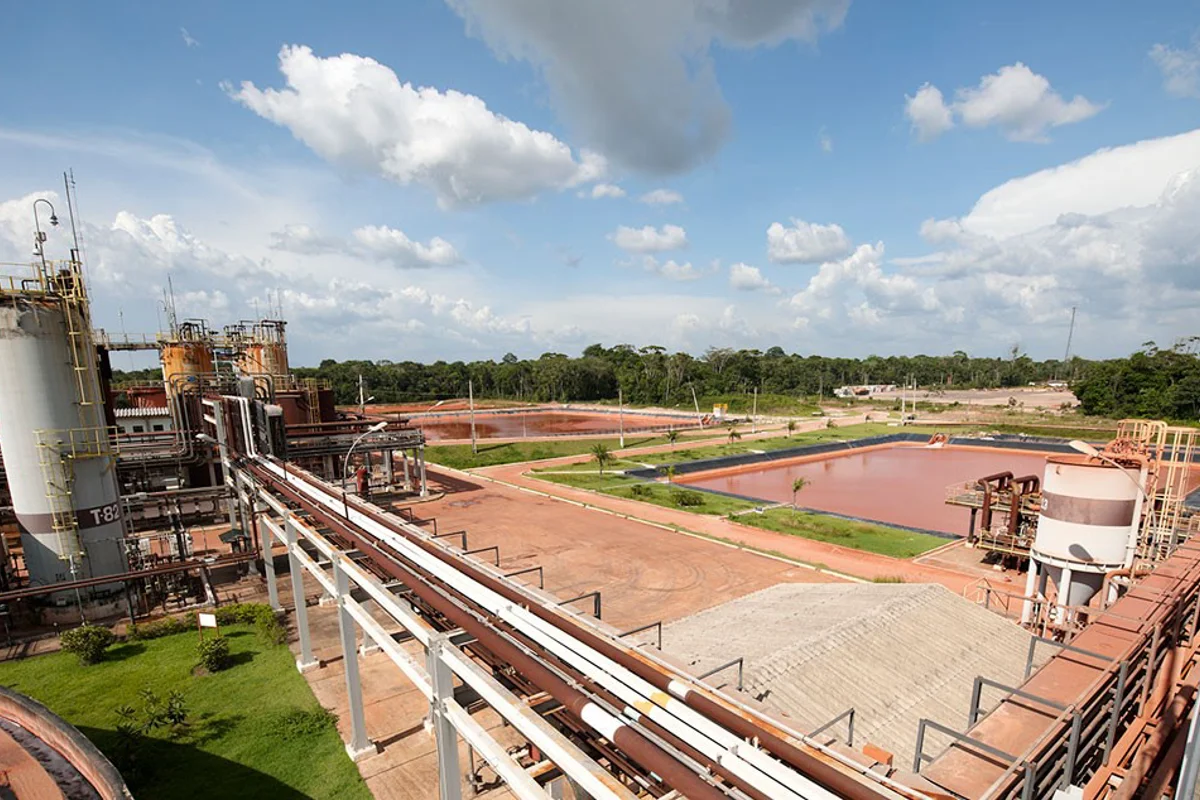
Alunorte, the world’s largest alumina refinery, has been running at half its capacity after Hydro admitted that it had to make unlicensed emissions of untreated water in February last year due to severe rainfall.
“Hydro’s underlying EBIT decreased to NOK 9,069 million from NOK 11,215 million for 2017. The decrease reflects negative effects relating to the production curtailment at Alunorte and increased raw material costs,” said the company in its report.
However, Hydro's financial report suggests that the higher all-in metal price and alumina sales price partly offset the negative impacts. The positive impact of taking full control of Sapa, a manufacturer of semi-finished aluminium products, also counterbalanced.
Svein Richard Brandtzæg, Chairman of Norsk Hydro, said, “As the metal of the future continues to find its way into new applications, demand growth remains firm and future prospects look promising. More and more of our aluminium is used in automotive applications, light-weighting transportation and reducing carbon emissions in the user phase.”

Currently, Hydro is awaiting permission from Brazilian authorities to resume full output at the facility, which can sustain annual aluminium production of more than 3 million tonnes.
“Once the embargoes are lifted, it is expected to take around 2 months to reach 75-85 percent of Alunorte’s nameplate production capacity,” the company said in the report.
Industry expert Anthony Tropeano joins ALUMINUM USA 2019 Advisory Board
Next articleLME aluminium traded higher over the week and buoyed the SHFE counterpart; lower Chinese economic data put pressure on the price
Grow with
AL Circle