One month to CBAM: what’s in, what’s out, who pays, and how the aluminium industry must prepare
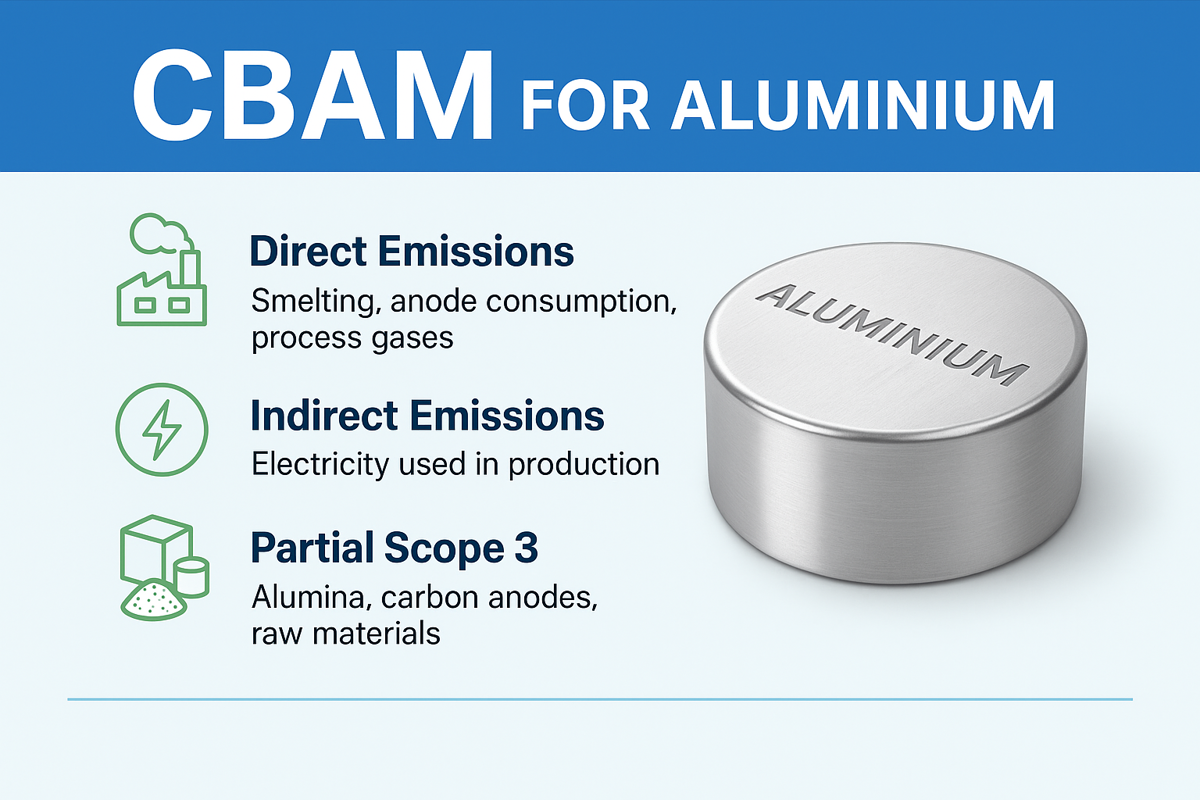
When the European Union rolled out its Carbon Border Adjustment Mechanism (CBAM) in 2023, a few energy-intensive industries felt the tremors more. Aluminium was one of them, while the rest were iron and steel, cement, fertilisers, hydrogen, and electricity industries. For them, CBAM appeared not just as another climate regulation but as a structural shift in its basic operational values. Apparently, CBAM is a bespoke tariff policy designed to target imported goods with high carbon emissions. But its underlying goal is also to introduce a level playing field in the domestic market by imposing the same carbon costs on importers that indigenous manufacturers pay under the ETS (Emissions Trading System).
Among all the sectors caught in the net, aluminium and iron/steel are poised for the most profound impacts, given their energy-intensive nature. They record high carbon footprint, especially in countries with high-emission electricity sources. That is why the global aluminium industry is closely watched as they are racing to brace for what lies ahead. So, here are some essentials that every aluminium producers should know.
CBAM regulations effective from January 1, 2026
Unlock full access – sign up for FREE.
Key benefits
Novelis secures German Ecodesign Award with a breakthrough 100% recycled aluminium automotive sheet
Next articleNovelis completes furnace upgrades with Fives, aiming to cut carbon footprint
Grow with
AL Circle