28 MAY 2014AlCircle.com
Old aluminium plants to be closed down in China in the coming 3 years
Edited by : AL CIRCLE
2 min read

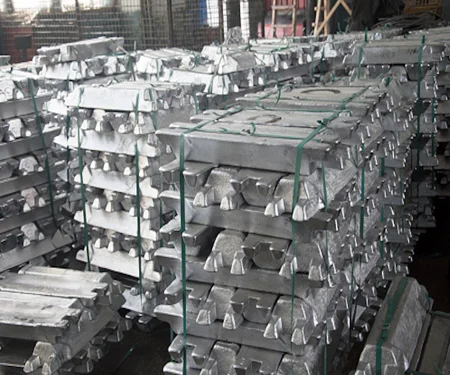
China plans to close down high-cost as well as outdated primary aluminium units in the coming 2-3 years, said the executive of a unit. This move has been taken to check the capacity growth for one of the oversupplied commodities in the country.
The closure should result in the prices of aluminium in China, its producer and top consumers recover from the sharp fall of 30% in last 4 years.
"Demand and supply in China would be basically in balance in five years or longer," said Yu Dehui, vice-president in charge of the aluminium business at China Power Investment Corp (CPI), the second biggest producer of the metal in the country.
Yu said at the industry conference held in Hong Kong that there is no possibility that China would turn into primary aluminium’s big importer. According to his estimate, the total capacity is about 40 mn tons in 3 years span of time. This indicates a total annual growth of less than 10% from 31 mn tons in 2013.
Last week the government pledged it would atleast cut down 420,000 tons of the total capacity of outdated aluminium in 2014.
New primary aluminium smelting capacity of about 4 mn tons will be added in China in 2014, said Wang Feihong, senior analyst of China Minmetals Non-Ferrous Metals compared to the capacity more than 4 mn tons last year.
The closure should result in the prices of aluminium in China, its producer and top consumers recover from the sharp fall of 30% in last 4 years.
"Demand and supply in China would be basically in balance in five years or longer," said Yu Dehui, vice-president in charge of the aluminium business at China Power Investment Corp (CPI), the second biggest producer of the metal in the country.
Yu said at the industry conference held in Hong Kong that there is no possibility that China would turn into primary aluminium’s big importer. According to his estimate, the total capacity is about 40 mn tons in 3 years span of time. This indicates a total annual growth of less than 10% from 31 mn tons in 2013.
Last week the government pledged it would atleast cut down 420,000 tons of the total capacity of outdated aluminium in 2014.
New primary aluminium smelting capacity of about 4 mn tons will be added in China in 2014, said Wang Feihong, senior analyst of China Minmetals Non-Ferrous Metals compared to the capacity more than 4 mn tons last year.
Previous article
NALCO to announce FY14 results on May 28, 2014
Next articleNew chair of the Board and new board member in Hydro
Grow with
AL Circle