OHISAMA: Japan’s 2026 satellite mission to transmit wireless solar energy from space
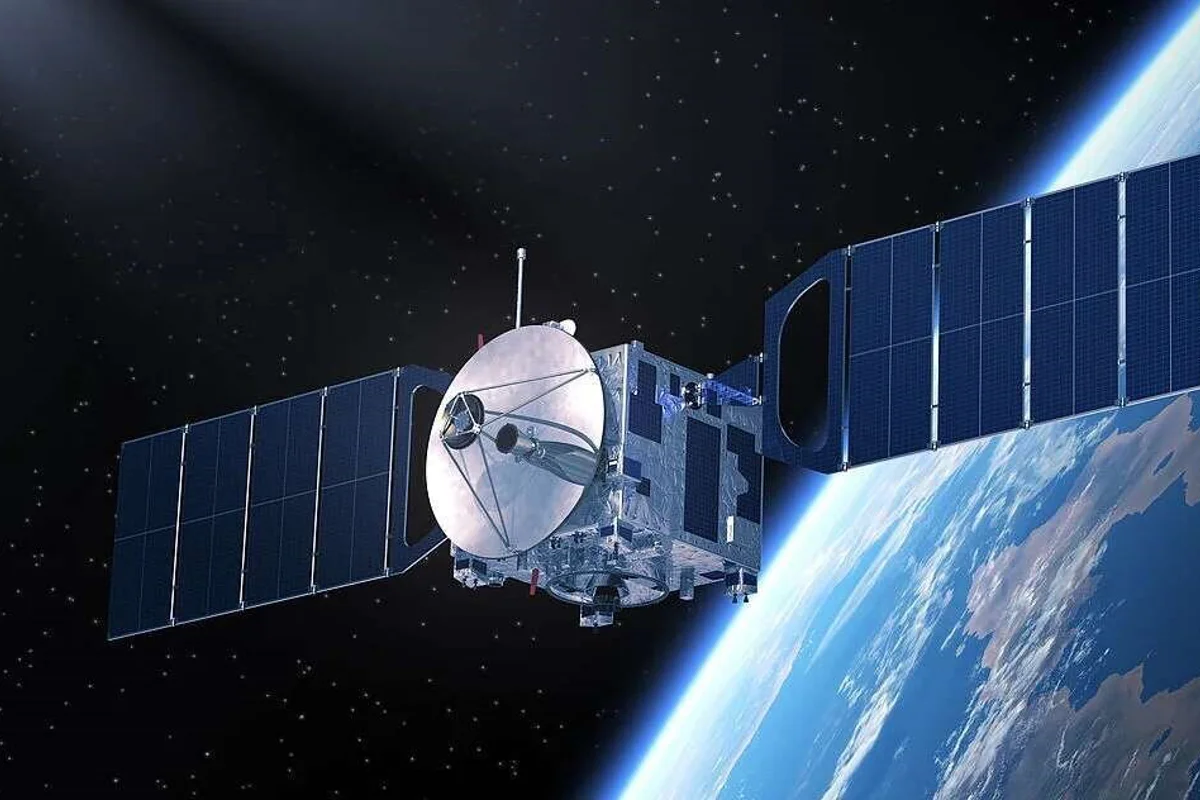
Japan is planning to launch Ohisama, a satellite intended to convert sunlight into microwaves and send them back to Earth wirelessly. The launch is planned for 2026, orbiting 400 km above Earth. Solar energy is planned to be received by 13 antenna stations in Suwa, located in central Japan.
This project will test the concept of space-based solar power, initially capturing 1 kilowatt of energy. The broader goal is to set up a 1 Gigawatt orbital solar array within 25 years, aiming to capture energy that will run thousands of houses.
For the global aluminium value-chain 2026 outlook, book our exclusive report “Global ALuminium Industry Outlook 2026"
In space, sunlight is constant; therefore, the solar power generation will be at its full potential. The satellite is made to carry a 2 square metre solar panel that weighs around 400 pounds. It will be in low Earth orbit, covering 600 square metres in Suwa while transmitting energy from space. The main challenge is the precision, as the microwave beam must stay accurate within 0.001 degrees while the satellite moves at 17 thousand miles per hour, targeting the station on the ground. This is possible now due to advanced microwave technology, lightweight materials and cheaper launch costs with the help of private companies.
Also read: BPCL inaugurates 71 MWp solar power plant at Prayagraj, strengthening its renewable energy portfolio
Japan is putting efforts into acquiring its own solar energy as presently 90 per cent of its energy is imported. The urgency is driven by the tragic Fukushima Daiichi nuclear disaster in 2011. Generating solar energy on land is challenging for Japan, as it has a high urban population concentration. With orbital solar collectors come the solutions that are reliable, renewable and scalable nuclear alternatives.
Additionally, the Japan Aerospace Exploration Agency (JAXA) has researched wireless power transmission since the 1980s-1990s and since 2009, space solar power has been part of Japan’s national space policy. This project is the result of years of gradual development, not a new idea.
Don't miss out- Buyers are looking for your products on our B2B platform
While this is a great step towards sustainability, Japan is not alone in developing space solar power. The United States tested it with NASA’s PRAM in 2020, and Caltech MAPLE in 2023 successfully sent the wireless power into orbit. China also plans to build kilometre-scale arrays by 2030.
However, these initiatives have their respective drawbacks. A 2021 NASA study said that space solar power could be ten times more costly than terrestrial renewable energy generation. High costs come from launch, construction, maintenance, and energy losses. While some people worry about the microwave transmission safety, research shows that they resembles wifi and cellular networks with no harmful effects.
*image source: www.faulhaber.com

Green energy to the rescue: Ust-Chorna keeps the lights on amid Ukraine’s energy crisis
Next articleIndustrial Physics names Andrew McCauley as the new CEO
Grow with
AL Circle