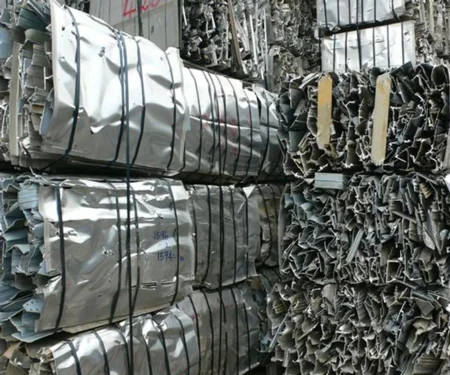
Norsk Hydro stays in focus as aluminium markets remain volatile
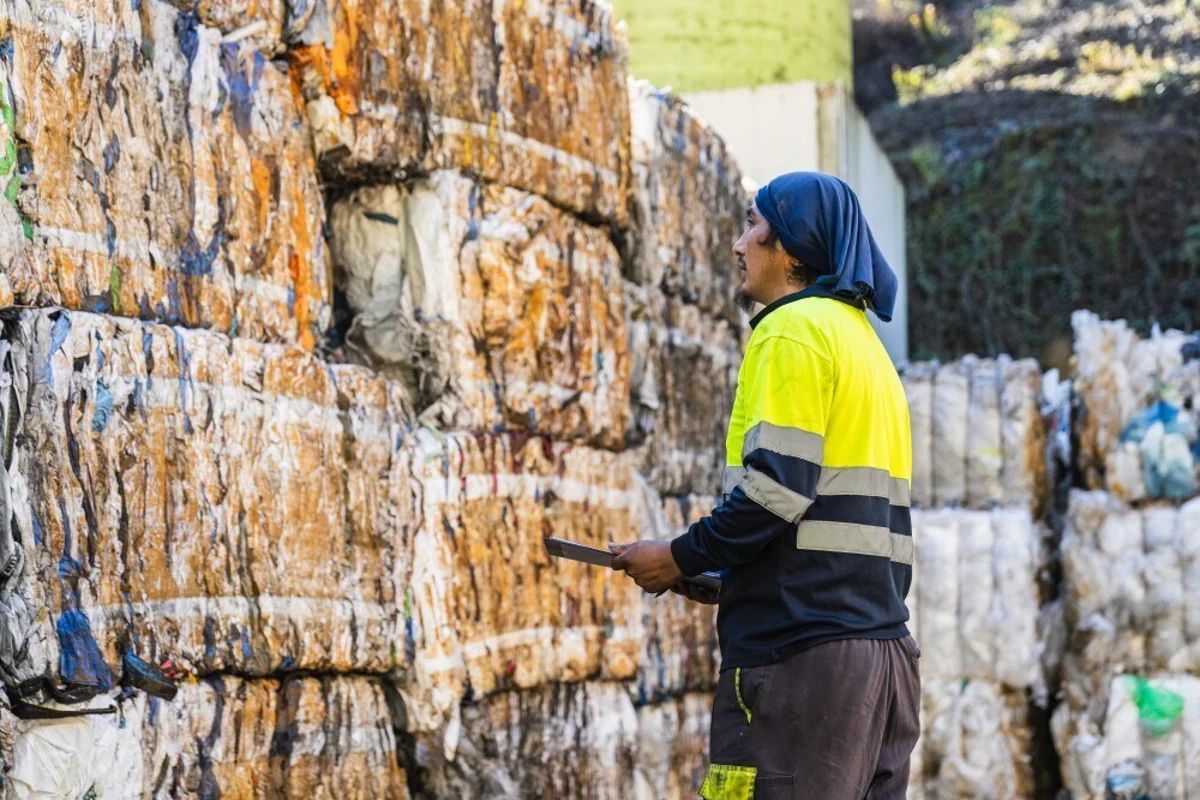
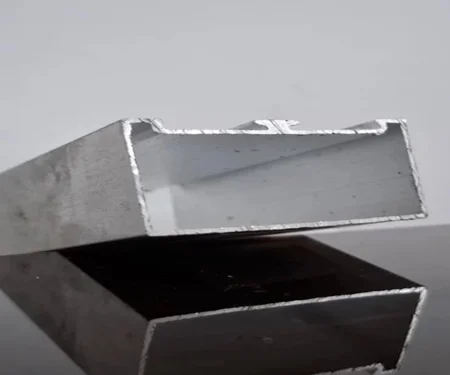
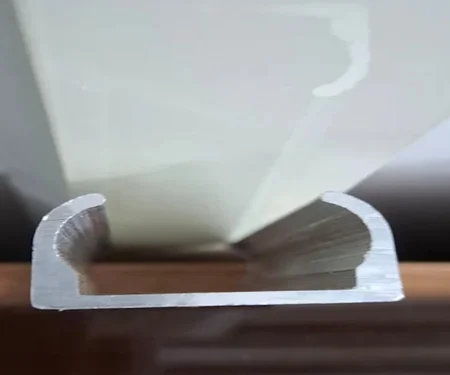
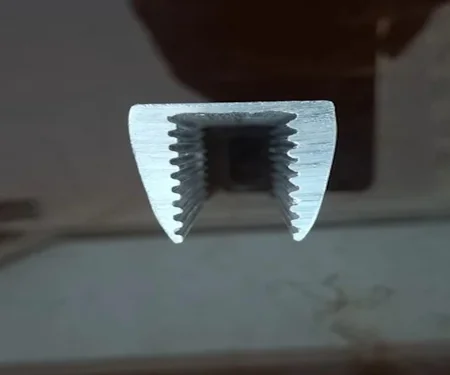
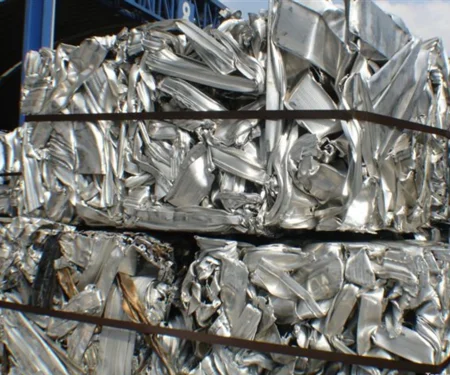
Stock image for referential purposes only
Norsk Hydro has remained in focus after releasing recent quarterly results and updating investors on dividends, spending plans and market conditions.The company is still dealing with a mix of weaker aluminium prices, unstable energy costs and uneven industrial demand, while at the same time trying to strengthen its position in low-carbon aluminium and recycling.
Norsk Hydro is one of the few aluminium companies that operates across almost the full chain of production. Its business includes bauxite mining, alumina refining, primary aluminium production, extrusion, rolling products and recycling operations.
A big advantage for the company is its hydropower business in Norway. The electricity generated there supports its smelting operations and also helps Hydro market itself as a lower-carbon aluminium producer compared with companies that rely more heavily on coal-powered energy.
The group supplies aluminium products to industries like automotive, packaging, construction and engineering.
Instead of relying only on primary aluminium sales, Hydro earns money from several parts of the aluminium chain. That helps balance earnings a bit when one segment slows down.
Its operations are spread across business areas including Bauxite & Alumina, Aluminium Metal, Metal Markets, Extrusions and Hydro Energy.
Still, aluminium prices remain one of the biggest factors affecting earnings. Like most producers, Hydro is heavily influenced by movements in London Metal Exchange prices and regional premiums.
Demand for rolled and extruded products is also important, especially from carmakers, industrial manufacturers and construction-related sectors in Europe and North America.
Power prices are another major issue. Since aluminium smelting consumes huge amounts of electricity, energy costs can quickly affect margins. Hydropower gives Hydro some protection, but dry weather and tighter Nordic power markets can still create pressure.
Explore: The most comprehensive and forward-looking industry-focused report – Global Bauxite & Alumina Market Forecast to 2036: Supply–Demand, Trade Flows & Price Outlook
Over the last few years, the company has pushed harder into recycled and low-carbon aluminium products as customers increasingly look for materials with lower emissions.
Hydro has expanded scrap collection and remelting operations in both Europe and the United States. The company believes recycled aluminium and low-emission metal could become a bigger earnings driver over time, especially as more industries focus on decarbonisation targets.
At the same time, the wider aluminium industry is still facing a difficult environment in some areas. Construction demand has remained soft in parts of Europe, while oversupply concerns and slower industrial activity continue to affect sentiment.
Competition also remains intense. Producers in China, the Middle East, Russia and North America are all competing aggressively on pricing, energy access and downstream products.
Hydro continues to highlight its renewable power access, recycling network and downstream processing business as key strengths in that environment.
Trade policies and carbon-related regulations are also becoming more important for the industry. Tariffs, sanctions and carbon-border measures are increasingly affecting aluminium trade flows and regional competitiveness.
For US investors, Norsk Hydro provides investors exposure to global aluminium markets but through a European-based producer with substantial renewable energy assets.
The stock is also linked to themes such as recycling, infrastructure, lightweight materials and industrial decarbonisation that continue to appeal to the attention of ESG-focused investors.
But it is still subject to the usual risks of commodity companies, that are volatile aluminium prices, swings in energy markets, operational interruptions and changing regulations.
Even with those risks, Norsk Hydro remains one of the largest integrated aluminium producers globally and is continuing to build around recycling and lower-carbon aluminium as the industry changes.
Explore our e-magazine ALuminium LeaderSpeak 2026 for the latest industry insights and trends

Indian government approves ZAM-based structures for residential solar
Next articleAustralian Aluminium Council visit highlights ABx ALCORE’s progress in clean aluminium fluorine
Grow with
AL Circle