Nissan’s EV promises to run the show for Australian automotive manufacturing
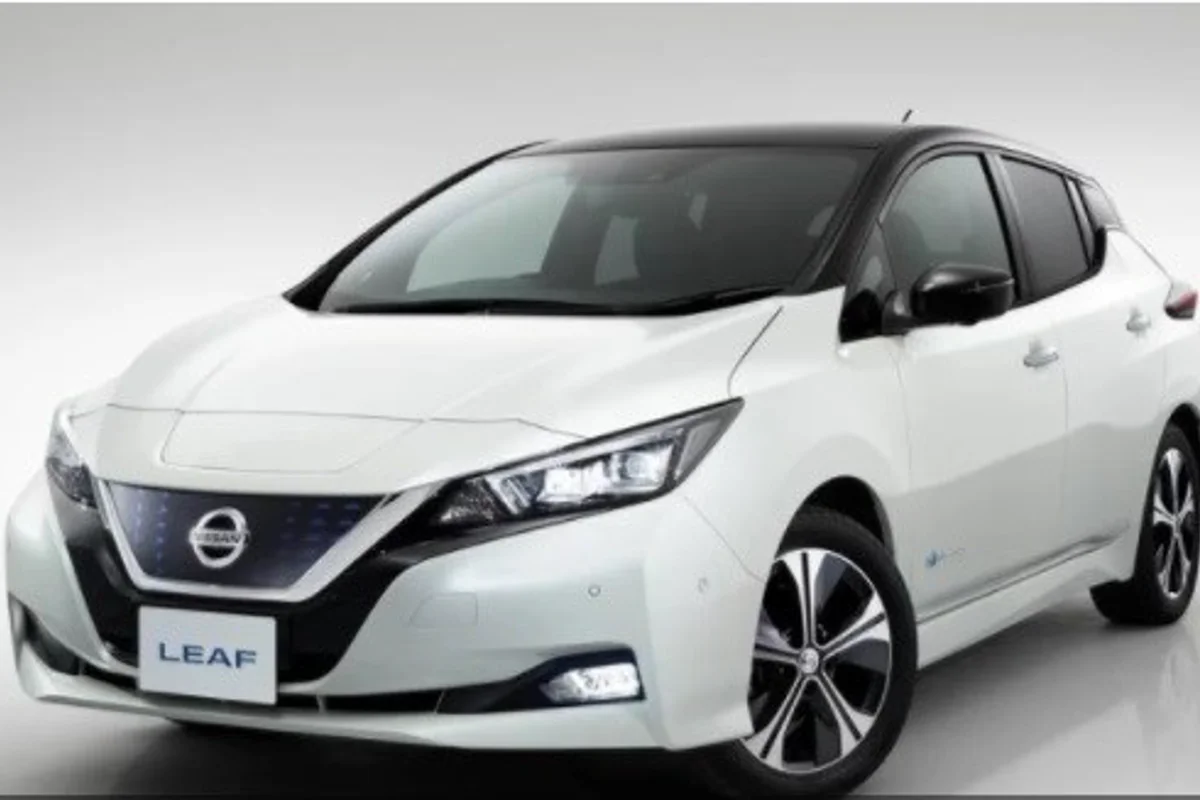
Australian automotive manufacturing sector is betting big on Nissan’s electric vehicle dream. At a time when automobile honchos like Holden, Ford, and Toyota have pulled out from Australia’s manufacturing domain, Nissan still continues to win contracts for its automotive aluminium die-casting parts manufacturing business based in Dandenong, Melbourne.
Currently, the Nissan Casting Australia Plant (NCAP) which has been operating for here more than three decades now produces aluminium parts for the Nissan Leaf. Apart from aluminium water jacket, inverter case, and stator housing for the electric vehicle, Nissan is also manufacturing aluminium parts for the hybrid powertrains employed by Serena e-Power and the Japanese Domestic Market (JDM) Note.
“Our aim is to be the preferred Renault-Nissan Alliance manufacturing plant for high-pressure die-cast aluminium for the electric vehicle components by 2020,” NCAP managing director Peter Jones said at the plant’s 35th anniversary.
The automotive aluminium casting part producer makes 60 unique components at its plant using 13 casting machines. In 2017, its output volume is expected to hit 2.6 million for die-cast aluminium parts, and more than 16,000 for tow bars, representing a total value of $82.5 million.

Nevertheless, the success in aluminium casting domain does not really spell long-term prospects for Nissan Casting Australia. For it to further propel its EV dream it has to consider entering into aluminium rolling domain sometime in the near future, because that is where automotive manufacturing is headed.
AlCircle Special Focus on Growing Consumption of Aluminium Rolled Products in Automotive Industry 2017 finds that the global automotive aluminium sheet demand will grow at an estimated CAGR of 7.7 per cent during 2017-2022. To learn more on the consumption trends of aluminium rolled products and aluminium casting parts in auto sector, click here.
Arconic, Airbus to advance 3D printing for aerospace under multi-year cooperative research agreement
Next articleAluminium Christmas tree exhibition lets visitors relive history and experience nostalgia
Grow with
AL Circle