New Zealand’s Aluminium Smelter 2017 profit triples on higher aluminium prices
Pacific Aluminium (New Zealand) Limited (PacAl NZ) reported its financial results relating to its interest in New Zealand’s Aluminium Smelter (NZAS). NZAS registered a profit of $75 million in 2017, up from $25 million a year earlier. Consistently higher aluminium prices delivered the more favourable result for the smelter’s owners.
Gretta Stephens, NZAS Chief Executive and General Manager, said: “This is a pleasing result and has given NZAS the ability to look more confidently to a commercially sustainable future.”
“But predictions are for aluminium market conditions in 2018 to be volatile and NZAS remains vulnerable to that market volatility as well as movements in the New Zealand dollar against the US dollar. This is because we continue to pay one of the highest prices for delivered power for a smelter anywhere in the world. In 2017 our transmission costs, at NZ$72 million for the calendar year, were just three million dollars shy of our underlying profit.”
Stephens stated: “Having secured a power arrangement that enables us to restart our quarter potline Line 4, the team is hard at work on the restart project. Unfortunately an unintended consequence of restarting Line 4 is that NZAS transmission costs will increase by around another $6 million per year despite there being no change in the transmission infrastructure the smelter uses.”
“We believe businesses should pay a fair price for the transmission services they receive, this is not what is happening under the current system.”

The Line 4 is expected to be operational by the end of the year, eventually boosting NZAS’ daily overall aluminium production by nine per cent. The smelter produced 337,016 tonnes of metal in 2017, down 0.5 per cent year on year.
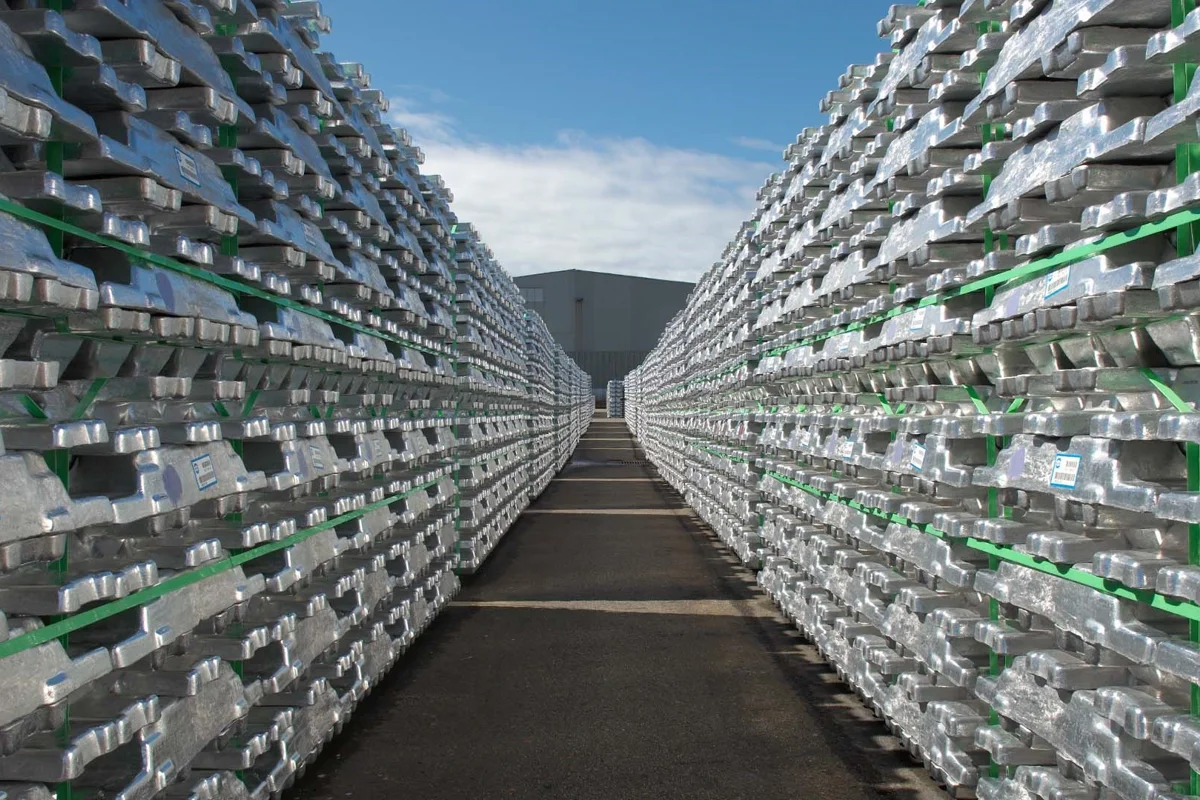
New Zealand's Aluminium Smelter (NZAS), New Zealand's only aluminium smelter, is 79.36 per cent owned by Pacific Aluminium (New Zealand) Limited, part of the Pacific Aluminium business unit of Rio Tinto, and 20.64 per cent owned by Japan's Sumitomo Chemical Company. The plant produces primary aluminium in the form of ingot, billet and rolling block.
Average pre-baked anode price drops on Weiqiao Group’s further price negotiation
Next articleLME aluminium gains to close at US$2285.50 per tonne yesterday on weakening US dollar; SHFE stays rangebound
Grow with
AL Circle