NALCO’s red mud strategy links critical mineral recovery and construction use
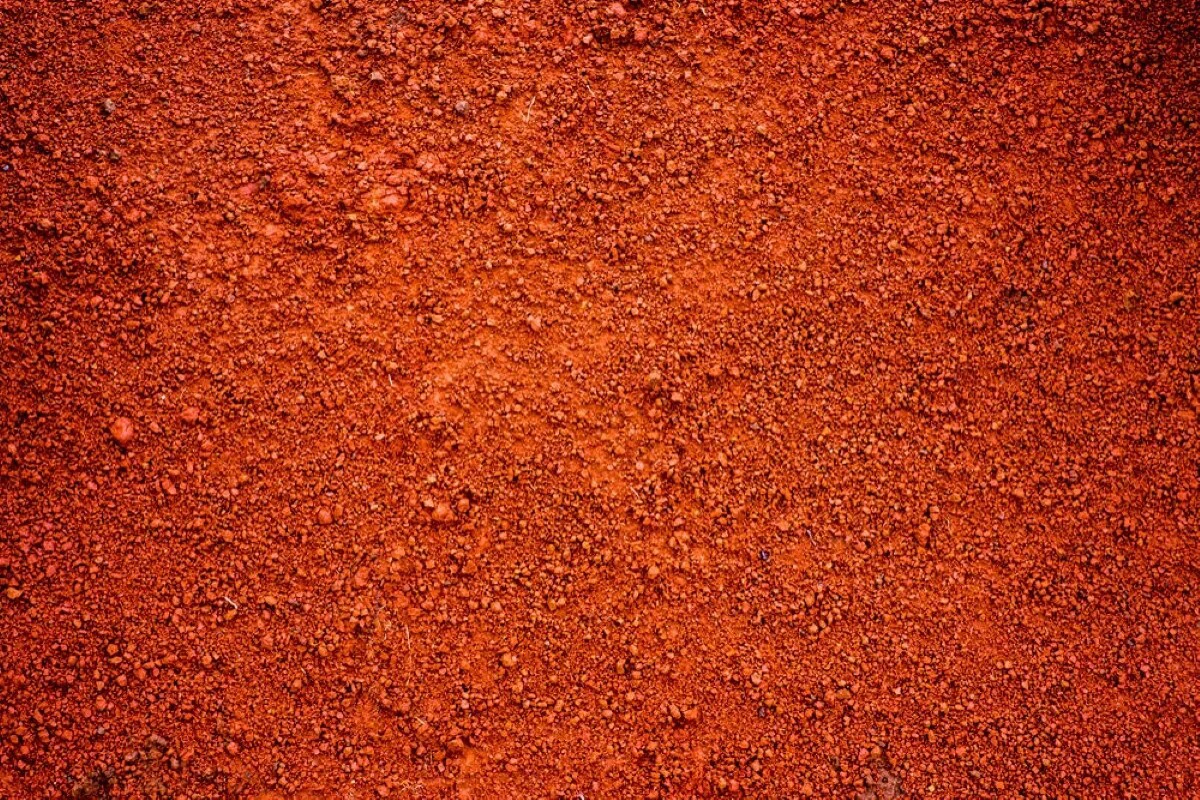
Red mud, which is a result of alumina extraction, for decades now, has been treated as a hazard to the environment by the aluminium industry. But there shall be a change by an Indian aluminium company, which makes the entire industry rethink about its being a concern for the environment. India’s NALCO is currently undergoing research to discover ways to turn the waste, which is “red mud”, into usable building materials as well as the recovery of vital minerals.
Based on the data shared by the industry, NALCO has a stockpile of nearly 7.13 million tonnes of red mud after producing alumina at its Odisha Damanjodi refinery. This accumulation is deemed to be rising as the firm predicts it will extract about 2.4 to 2.5 million tonnes of red mud each year as a byproduct from its refining process.
Red mud extraction = rise in critical minerals
The firm, in lieu of dumping the red mud, is partnering with CSIR labs, which include the Institute of Minerals and Materials Technology (IMMT) in Bhubaneswar and the National Metallurgical Laboratory (NML) in Jamshedpur. This partnership will focus on developing technologies which shall aid in extracting valuable minerals like alumina, rare earths like scandium from the bauxite residue, lithium and iron.
To make the initiative a further success, the firm is undertaking a plan to start a recycling plant, which will be capable of handling 10 tonnes per day and act as a test to determine whether this can be extended to a larger scale.
If the entire plan works out, this will create a significantly bigger leap for the country as the possibility of sourcing critical minerals, which are vital for clean energy tech and high-tech manufacturing, domestically will increase and the dependence on imports will subsequently decrease.
Apart from critical minerals, it benefits building & construction
NALCO has already been experimenting, converting the red mud into bricks, which are highly used in the building and construction sector. For this initiative, the firm has already commenced a pilot brick plant in Nagpur by collaborating with Jawaharlal Nehru Aluminium Research Development and Design Centre (JNARDDC).
The idea behind this plant is to scale the brick production by producing nearly 10 lakhs bricks per year. In this process, red mud is mixed with additives and clay, followed by moulding and firing it in a kiln.
Must read: Key industry individuals share their thoughts on the trending topics
Not just industry, but the community as a whole
NALCO’s brick project is forecasted to hold a total cost of INR 30 million, which shall further support the community with greater job opportunities for nearly 40 to 50 people within the local communities near NALCO’s Odisha operations. Not only in terms of job, but the community will decrease the use of conventional clay bricks, resulting in a reduced number of red mud ponds.
On one side are the critical minerals and other holds bricks production, NALCO's dual approach is now altering the industrial idea of a waste hazard into a profit. These projects, as of now, are in their initial stages, where the representatives of the firm are buoyant about scaling that will not only reduce the environmental concerns but also change red mud from a nuisance to a genuine economic driver.
To know more about the global primary aluminium industry 2026 outlook, book the report “Global ALuminium Industry Outlook 2026”.
_0_0.png)
Alcoa heads into Q4 2025 with earnings forecast 8.7% lower and revenues down 7% - can it deliver another beat?
Next articleWEEKLY: China's spot alumina slips further under rising inventories
Grow with
AL Circle