MSMEs seek lower import duty on primary aluminium amid rising cost pressures
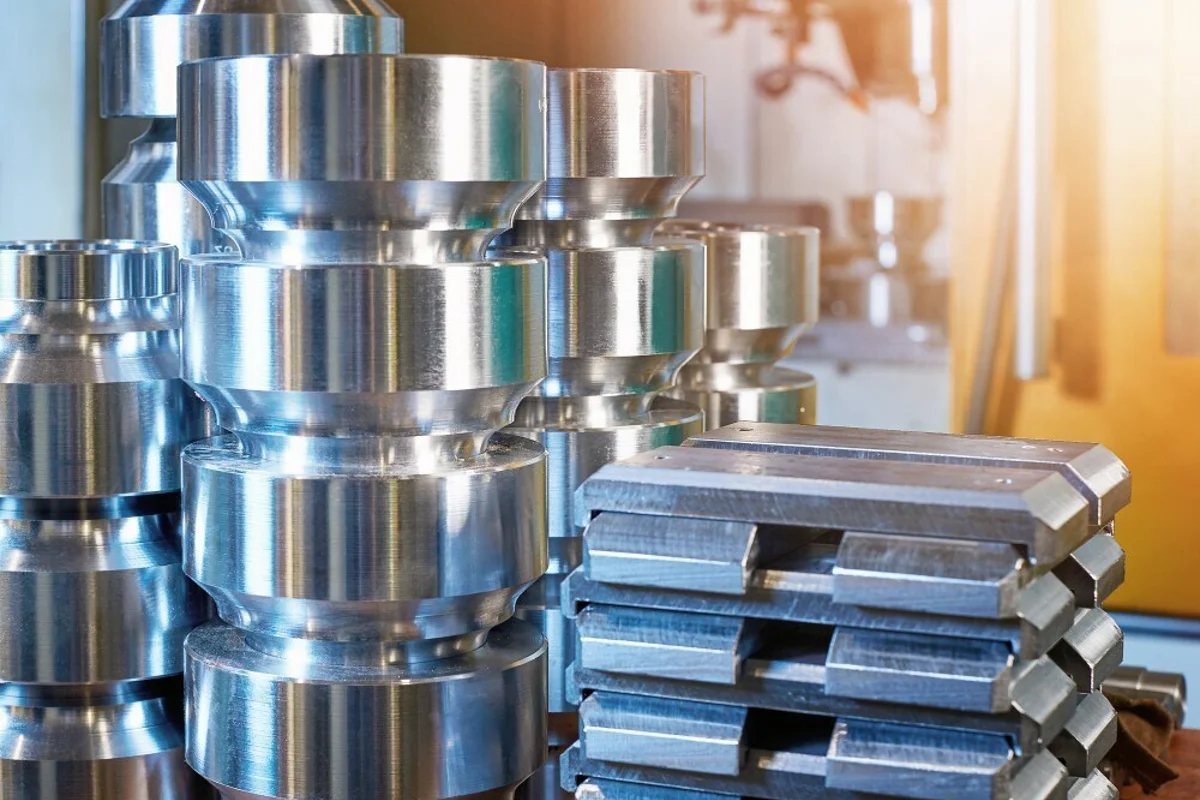
Stock image for referential purposes only
India’s downstream aluminium sector has urged the government to reconsider import duties on primary aluminium as manufacturers continue facing higher raw material and energy costs linked to the ongoing West Asia conflict.
Industry groups said volatility in global aluminium prices and supply-chain disruptions have sharply increased production costs for downstream manufacturers, particularly MSMEs.
At present, India imposes an import duty of around 8.25 per cent, including surcharge, on primary aluminium.
According to industry representatives, domestic producers largely follow import-parity pricing, which means higher international prices are also being reflected in local raw material costs.
At the same time, several finished aluminium products continue entering India at lower or zero duty under free trade agreements, creating additional pressure on domestic downstream manufacturers.
Industry bodies said smaller manufacturers are finding it increasingly difficult to compete under the current cost structure.
The sector has also been dealing with disruptions in LPG and Piped Natural Gas supplies, both of which are important for aluminium extrusion operations.
Because of these issues, production activity in some downstream segments has reportedly declined by around 40–50 per cent over the last two months.
Explore: The most comprehensive and forward-looking industry-focused report – Global Bauxite & Alumina Market Forecast to 2036: Supply–Demand, Trade Flows & Price Outlook
Stakeholders noted that nearly 30 per cent of India’s aluminium scrap imports move through West Asia, leaving the sector vulnerable to supply disruptions caused by the regional conflict.
Apart from raw material pressures, exporters are also facing challenges linked to the European Union’s Carbon Border Adjustment Mechanism (CBAM).
Industry associations said compliance requirements under CBAM are adding further pressure on midstream and downstream MSME manufacturers.
Liquidity concerns have also increased, with many smaller companies facing cash-flow problems and difficulties in servicing loans because of rising operating costs.
Industry participants suggested measures such as temporary loan moratoriums, restructuring support and relief measures for MSMEs affected by supply-chain disruptions.
They also said that lowering import duties on primary aluminium could provide near-term relief by improving access to competitively priced raw materials.
At the same time, industry bodies called for broader long-term reforms focused on strengthening domestic supply chains, diversifying energy sources and securing access to critical minerals.
The issue was recently discussed at a roundtable conference attended by organisations including Federation of Indian Micro Small and Medium Enterprises, Aluminium Secondary Manufacturers Association, Aluminium Extrusion Manufacturers Association of India and India SME Forum.
Explore our e-magazine ALuminium LeaderSpeak 2026 for the latest industry insights and trends.

Rio Tinto considers reopening aluminium potline at NZAS
Next articleRio Tinto sees aluminium exports to US efforts to recover pre-tariff volumes
Grow with
AL Circle