MillerCoors celebrates 60 years of its two-piece recyclable aluminium can
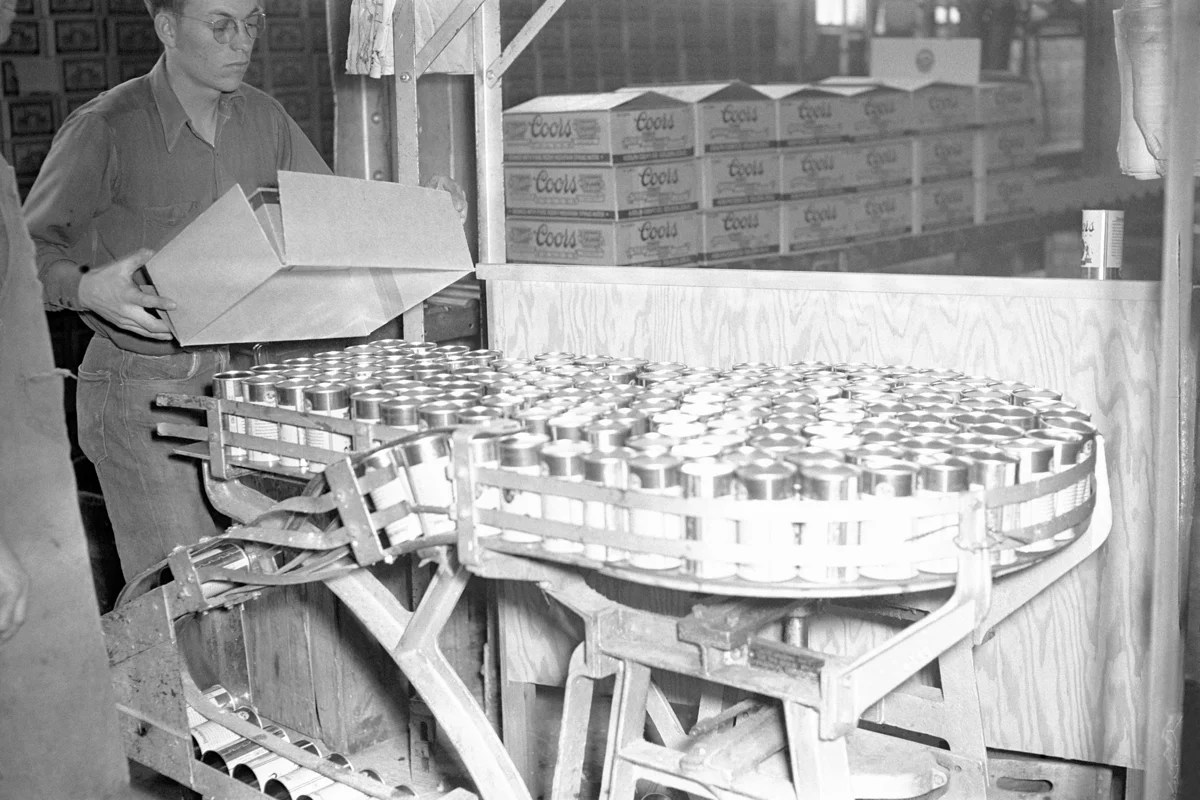
Bill Coors designed and launched the two-piece recyclable aluminium can sixty years ago in January 1959 with a 7-ounce Coors Banquet. The can was made after years of research and numerous trials and errors, which was presented as Coors' solution for doing away with throwaway steel cans and providing better-testing and better-chilled beer.
This move actually revolutionized the beverage container industry. Although the two-piece aluminium can took five years and US$10 million to develop, Bill Coors encouraged other beverage makers to introduce and use the recyclable can in order to reduce waste and harm to the environment. Owing to the popularity of the aluminium can, Coors discontinued the use of steel cans on Nov. 12, 1971.
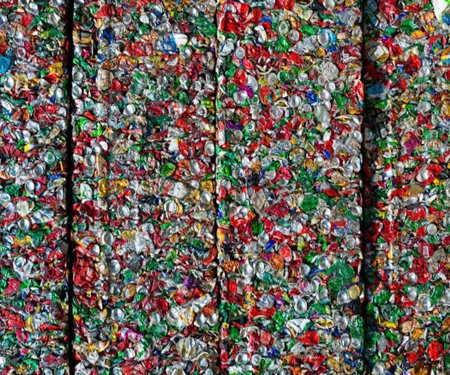
Along with the launch of the can, Coors launched a recycling program called Cash for Cans. MillerCoors called this campaign their "recycling revolution," and now the company is celebrating 60 years of its recyclable aluminium can and the can for cash program in a special blog post listing down the efforts and initiatives the company took to introduce the can.

Cash for Cans started its aluminium recycling campaign in the 1970. A distributor-led program netted consumers a penny a can and kicked off the first wide-scale aluminium recycling in the country. Through these recycling efforts, Coors started producing aluminium products such as calendars, ashtrays and tap handles.
MillerCoors Rocky Mountain Metal Container now produces about 13 million cans per day. The 13 million cans then go directly to the Golden brewery and are filled with beer and shipped the same day.
Alcatel Submarine Networks and Facebook launch aluminium conductor for optical fiber submarine systems
Next articleEU’s Cecilia Malmstrom believes US auto tariffs will not come into effect
Grow with
AL Circle