Metro Mining finished 2025 with a set of neat operational checkboxes, including a reported 6.2 million wet metric tonnes (WMT) shipped for the calendar year (December volumes were 543,000 WMT), a year-end cash position of AUD 57 million, and the grinding down of junior liabilities that management says improved net leverage.
To know the aluminium market outlook for 2026 and beyond, get an access to our report: Global Aluminium Industry Outlook 2026
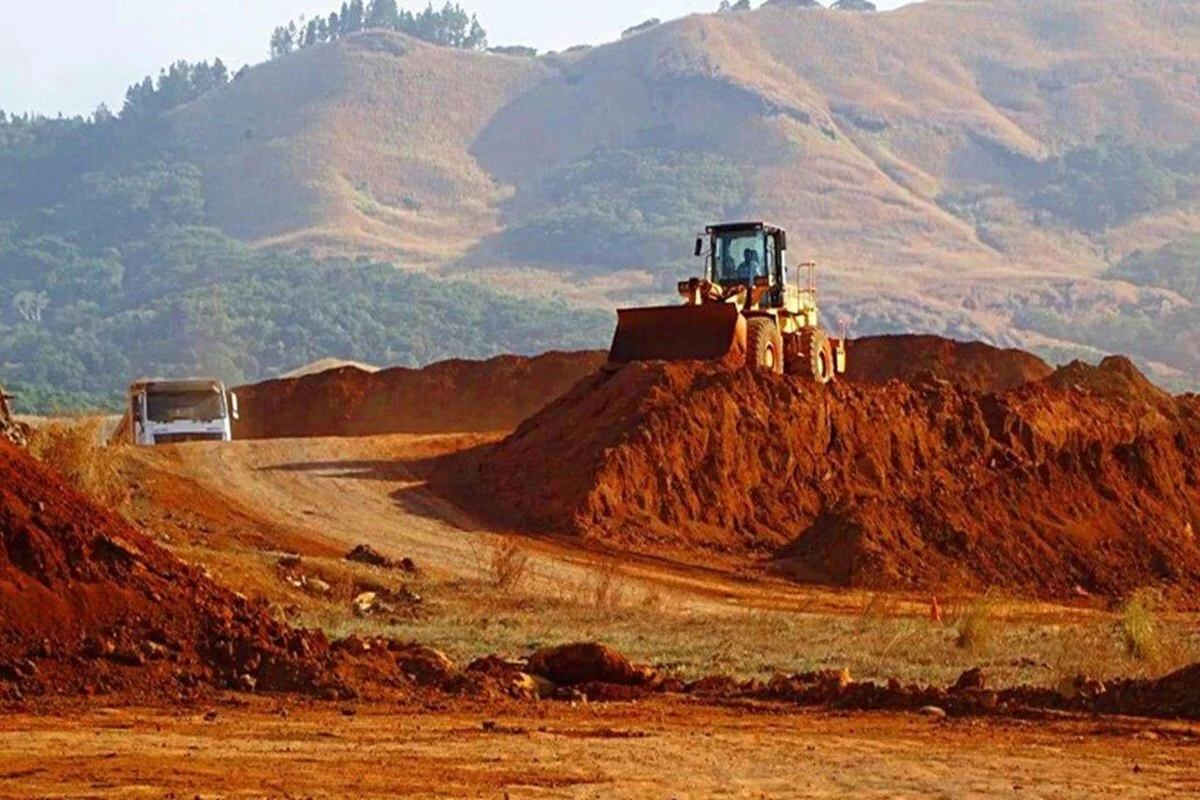
Those outcomes matter because Metro is a single-asset producer operating from Cape York’s Bauxite Hills, where the operation’s optionality is tightly tethered to a single logistics route and a finite reserve base. Metro’s own materials put Bauxite Hills’ reserve at roughly 83.2-89.5 million tonnes and total resources in the c.118Mt range, enough to sustain present production rates for years, but not enough to hide feebleness in logistics or unit economics if freight or pricing swings.
What Metro delivered in 2025 looks, on the face of it, like execution rather than expansion. The company completed its previously announced plant expansion and flow-sheet upgrades and achieved higher throughput, but it missed its initial top-end guidance. The business’ management had guided to 6.5-7.0 million WMT before the wet-season pause, and the market closed the year at the lower end of that band. That gap emphasises that 2025 gains were driven by smoothing processes and removing bottlenecks, not by unlocking new geological or commercial optionality.
Port and logistics improvements were the tangible output of that execution. Metro completed channel widening to 70 metres, expanded port warehousing and raised loading capacity at pit and port; the company recorded a daily loading peak close to 40,000 tonnes and a weekly throughput record north of 200,000 tonnes, while reporting faster capesize turnarounds. Those figures are operationally relevant: improved vessel turnaround reduces demurrage and makes shipments more predictable for Asian alumina refineries that prize steady feedstock delivery. But these are evidently defensive measures and not new revenue lines, protecting margin and reliability.
The balance-sheet story is mixed. Metro reports the repayment of more than A$30m of junior debt and a cash buffer of AUD 57 million at year-end, yet a senior secured facility remains on the books, public sources point to an AUD 62 million senior facility — leaving the company exposed to servicing risk should shipping conditions or realised prices deteriorate.
On ESG and community fronts, Metro can show discrete wins, a Reflect Reconciliation Action Plan, a repeat AMEC award for the JT Academy programme and tyre-waste initiatives, but the public figures lack depth. Metro’s 2024 annual reporting shows 384 tyres recycled under named partnerships; on-screen disclosures for 2025 indicate more than 1,300 waste tyres were sent to a pyrolytic facility. Both are steps in the right direction, but questions remain on scale, partner economics, emissions outcomes and whether these are one-off projects or scalable supply-chain decarbonisation moves.
Digitalisation appears to be the next frontier of value capture. Metro rolled out the Haultrax fleet management system to automate tallying, improve dozer-push visibility and optimise loader performance. Haultrax’s literature makes a clear productivity case, fewer manual tally errors, better cycle visibility and faster decision loops, but Metro’s public disclosures stop short of publishing unit-cost trends or quantified ROI from the rollout. Without those metrics, investors and downstream customers can see improved predictability, but not the dollar payoff.
The judgement for 2026 is derived straight from the previous year’s milestones. Metro’s 2025 wins are real with safer operations, better port throughput and a stronger near-term liquidity position. But they remain, fundamentally, executional improvements. For them to convert into a durable re-rating — and resilient cashflow through pricing or freight shocks — Metro Mining is likely to publish the next layer of transparency that includes unit-cost trends, Haultrax ROI, the economics and partners for tyre pyrolysis, and the timetable and covenants on the remaining senior facility.
Until then, Metro’s 2025 reads as a company that has earned the right to grow, rather than one that has demonstrably bought a permanent advantage. That difference is the gap investors and trade buyers should probe when Metro publishes its 2026 plan.
Don't miss out- Buyers are looking for your products on our B2B platform













_md.webp)