Global market faces tariff impact, reveals aluminium supply chain vulnerabilities
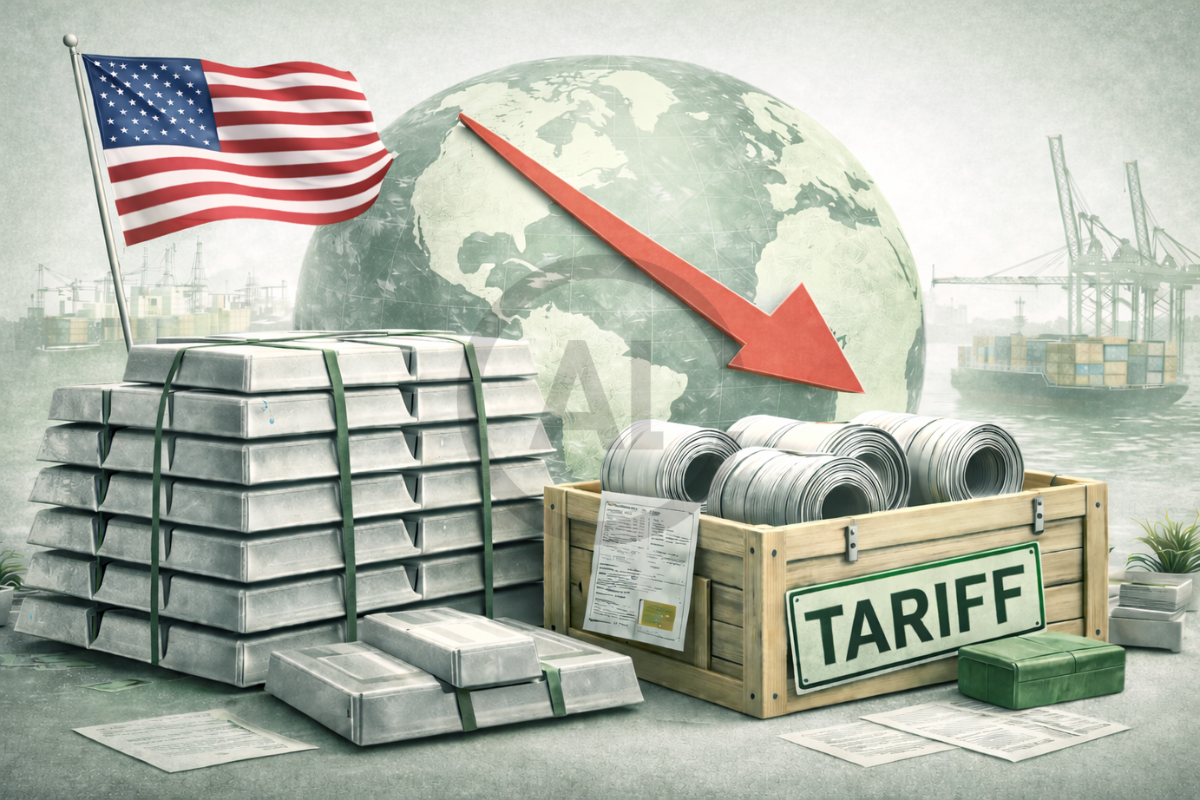
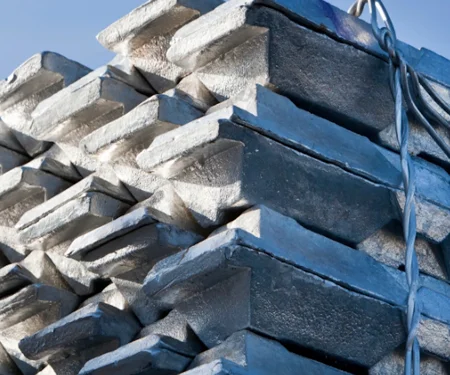
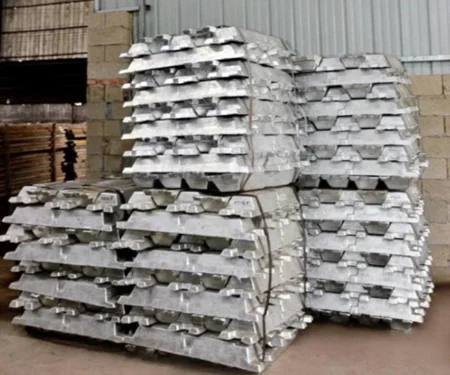
A major US aluminium buyer’s planned spot-market purchase of USD 218 million indicates the role of tariff-driven trade policies in reshaping market dynamics, procurement strategies and amplifying risks in the aluminium supply chain across North America. Arconic’s bid to secure 90 million pounds (40,823 tonnes), accounting for around 10 per cent of monthly US aluminium consumption, suggests a shift away from long-term contracts towards spot-market exposure and uncertainty due to the 50 per cent aluminium import tariff regime.
Explore- Most accurate data to drive business decisions with Global ALuminium Industry Outlook 2026 across the value chain
Global aluminium price gap and market volatility
Tariffs have led to the surge of the US Midwest aluminium premium to an estimated USD 1.03 per pound, creating a 74 per cent premium over international price benchmarks.
This widening aluminium price gap between the US and global markets is inflating production costs for downstream manufacturers, distorting traditional pricing structures and eventually complicating regional trade dynamics. As the spread between domestic and global prices grows, companies are being compelled to reassess sourcing and cost pass-through strategies.
The depletion of exchange inventories in October 2025 has intensified the aluminium supply chain fragility, tightening market conditions. It has removed a critical buffer that historically stabilised supply during demand spikes or logistical disruptions.
With limited availability of stockpiles, buyers now face heightened exposure to price volatility, delivery risks, and procurement uncertainty, especially during periods of elevated industrial demand.
Tariff in the downstream and domestic industries: Raised aluminium prices
Given the limited substitutability and stringent technical specifications of aluminium, industries such as aerospace, automotive, construction and defence are to take the greatest hit.
In the automotive sector, aluminium price escalation affects multiple vehicle systems, constraining lightweighting efforts tied to fuel efficiency and emissions targets. While other materials can substitute for engine parts, structural elements and such components, aluminium remains essential for body panels and thermal systems. OEMs are responding by renegotiating contracts, localising supply chains, redesigning products to optimise aluminium use, and qualifying substitute materials where feasible. However, overall cost pressures are expected to compress profit margins.
Aluminium supply risks in the aerospace and defence sectors are more acute owing to strict technical specifications and lengthy requalification procedures. Tariff-driven cost inflation, reliance on domestic processing capacity, and strained allied supply relationships raise national security concerns. Defence contractors are increasingly coordinating with government procurement bodies to develop pricing and hedging mechanisms that manage volatility while safeguarding long-term industrial and strategic supply stability.
As a result of escalating costs and scarce alternatives, leading manufacturers are renewing focus on material efficiency, alloy optimisation, and production redesign to manage rising expenses. Arconic’s role as a primary automotive OEM supplier implies rising costs directly flowing through supply chains for lightweighting initiatives, essential for fuel efficiency and emissions compliance.
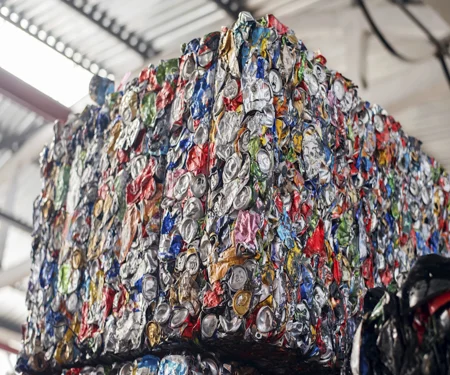
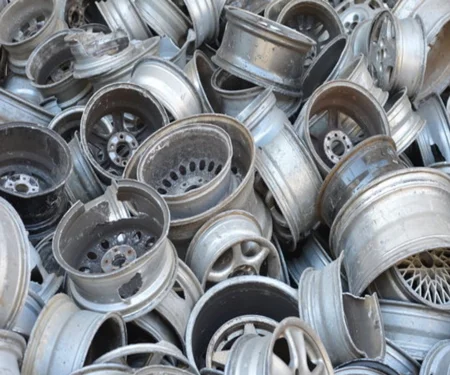
At the same time, domestic primary aluminium production confronts structural constraints, with minimal short-term capacity additions expected for offsetting reduced import flexibility. As a result, companies are accelerating efforts to expand secondary aluminium usage, scale up their recycling operations and diversify supplier networks.
Recycled aluminium broadly serves the end-use sector, such as in automotive applications, construction systems etc. Companies are, therefore, attempting to build strategic inventory reserves in order to mitigate risk and improve supply resilience.
Restructuring the global trade flow
Globally, the growing price gap between the US and international aluminium markets is also reshaping global aluminium prices and trade patterns. Producers are increasingly redirecting shipments toward higher-margin destinations such as the European Union markets rerouting export volumes from North America, Asian manufacturing hubs benefiting from economically priced aluminium for export production, Latin American industrial users sourcing aluminium at competitive rates on the global platform and the Canadian and Mexican processors leveraging USMCA trade benefits.
Meanwhile, in an attempt to retain access to the US aluminium market despite tariff barriers, some foreign suppliers have been considering domestic processing collaborations and joint ventures. However, these adjustments are long processes to materialise at scale, leaving short-term supply risks unresolved in the midst of policy uncertainties.
Sustained US tariff-driven price distortions could drive structural alterations of industrial cost bases, forcing manufacturers to balance competitiveness with supply-chain security. The evolving trade landscape suggests aluminium buyers prioritising strategic diversification, inventory discipline, and regional sourcing in the future, even though that may raise long-term production costs. Under these circumstances, supply-chain resilience is emerging as an essential tool for strategy, accompanied by cost control and operational efficiency.
Must read: Key industry individuals share their thoughts on the trending topics

Kaiser Aluminum shares double in a year, setting a new all-time high
Next articleHindalco Q3 FY26 performance: Profit drops 45% YoY amid Oswego fire; India PAT reaches all-time high
Grow with
AL Circle