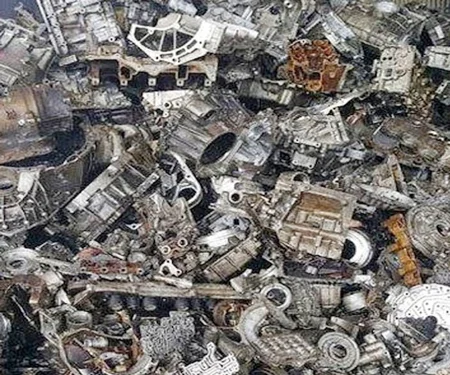
LME throwback 2025: Aluminium vs copper price and inventory movement

When we look back at 2025, we will remember aluminium as the metal that cracked under policy pressure long before demand fundamentals forced anyone’s hand. On the other hand, if aluminium was the year’s political barometer, copper was its economic score. By late 2025, the LME had become a battlefield where two of the world’s most essential non-ferrous metals, aluminium and copper, told different yet intimately connected stories about supply stress, geopolitical friction, climate transition demand, and human cost.
While both aluminium and copper ended the year with double-digit gains, the path they took could not have been more different.
Must read: Key industry individuals share their thoughts on the trending topics
Unlock full access – sign up for FREE.
Key benefits
2026 brings in CBAM: A challenge for European importers or a price for Indian exporters?
Next articleBetween cycles and transition: Norsk Hydro tests investors' patience
Grow with
AL Circle