LME aluminium rises above $3,200/t as US-Iran peace talks ease market concerns
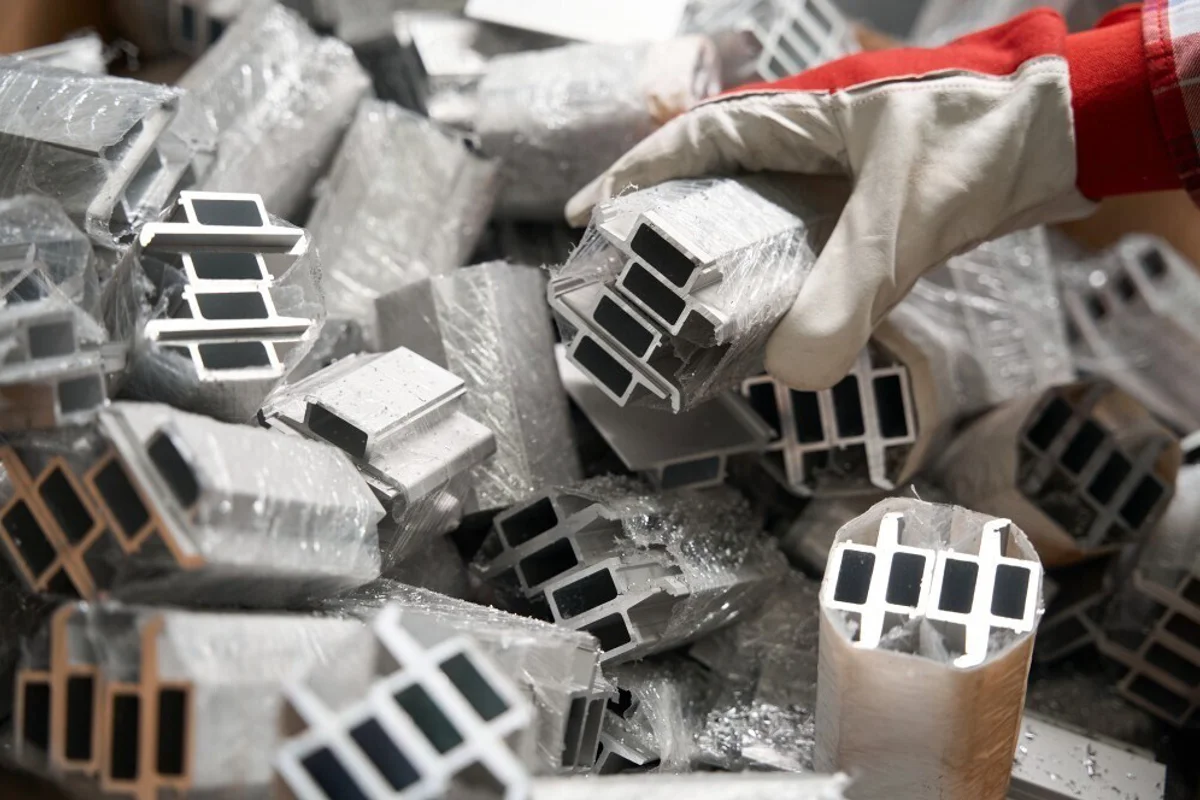
Stock image for referential purposes only
London Metal Exchange (LME) aluminium prices extended their rally on August 5, climbing above the USD 3,200 per tonne mark as renewed optimism over US-Iran peace talks improved market sentiment and eased concerns over global energy supplies and trade disruptions.
Three-month LME aluminium futures rose 1.3 per cent to USD 3,263.50 per tonne, outperforming the previous session as hopes of a diplomatic breakthrough between the United States and Iran weighed on oil prices and weakened the U.S. dollar.
A weaker dollar typically supports metals priced in the currency by making them more attractive to international buyers, while easing geopolitical tensions also improved broader investor confidence across commodity markets.
Aluminium strengthens as weaker dollar boosts market sentiment
According to Dan Hynes, Chief Strategist at ANZ, the combination of a weaker U.S. dollar and easing tensions in the Middle East supported renewed buying across commodity markets.
"The base metals sector started the week stronger as a weaker USD lent support to commodities priced in the greenback. The selloff in oil amid hopes of a de-escalation in the Middle East conflict also supported risk appetite," Hynes said.
To know the production, demand and consumption forecasts on bauxite and alumina, explore the report "Global Bauxite & Alumina Market Forecast to 2036: Supply–Demand, Trade Flows & Price Outlook"
Despite the latest gains, market analysts cautioned that aluminium prices may struggle to maintain current levels without fresh supply disruptions.
Analysts Maria Efanova and Victoria Kuszak of Sucden Financial said aluminium had reclaimed the USD 3,200 per tonne level but warned that sustained price strength would likely require renewed geopolitical disruptions or another significant supply-side catalyst.
"Aluminium has reclaimed the USD 3,200 per tonne area, but we do not expect prices to hold comfortably at these levels without a renewed Middle East shock or another clear supply-risk catalyst," they said.
Shipping disruptions continue to influence aluminium market
Although peace negotiations have improved market sentiment, recent disruptions across key Middle Eastern shipping routes continue to pose risks to aluminium supply chains.
Earlier hostilities led to the closure of the Bab-el-Mandeb Strait, restricting access between the Red Sea, Gulf of Aden and Arabian Sea and raising concerns over global metal shipments.
Fastmarkets analyst Andy Farida said disruptions at two of the world's most important maritime chokepoints could force cargo vessels to reroute around the Cape of Good Hope, increasing transit times as well as freight and insurance costs.
Meanwhile, LME aluminium inventories declined by 5,675 tonnes to 238,350 tonnes, indicating continued tightening in available exchange stocks.
Other LME base metals also traded higher during the session, with copper, nickel, zinc, lead and tin recording modest gains as improving geopolitical sentiment supported the broader metals complex.
Explore primary aluminium suppliers, product listings and trade opportunities on AL Biz
EQONIC places aluminium at the heart of next-generation battery innovation.
Next articleLME aluminium cash price eases to $3,228.5/t as stocks decline to 260,900t
Grow with
AL Circle





















