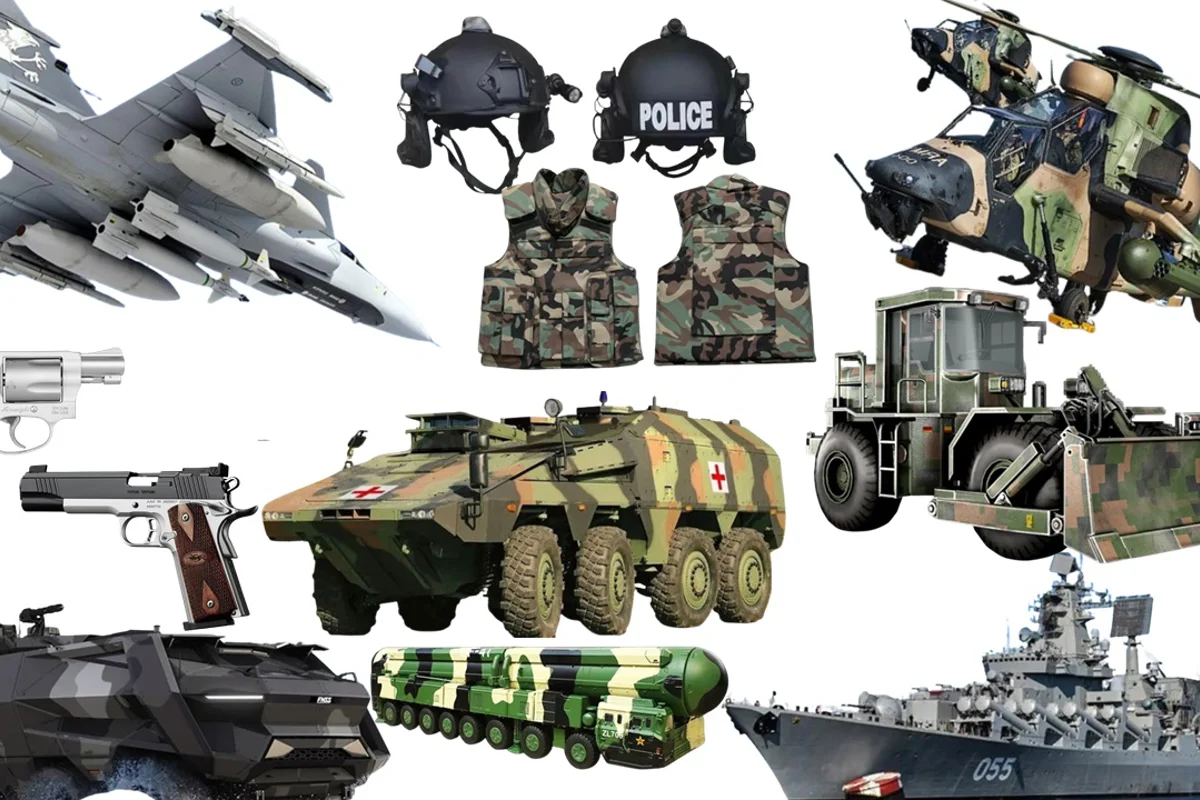
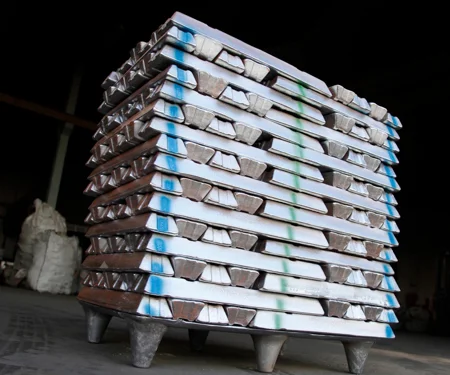
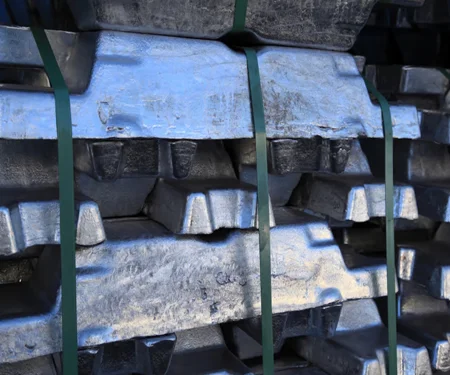
In the ever-evolving landscape of defence, where speed, agility, and resilience define the edge between victory and defeat, aluminium emerges as a silent but formidable ally. Renowned for its lightweight yet robust nature, aluminium is revolutionising a wide array of defence applications—from the construction of agile aircraft and resilient naval vessels to the development of cutting-edge armoured vehicles and advanced weaponry. Its unique properties—lightweight, high strength, and resistance to harsh environments—make it an essential material, transforming military capabilities and redefining the landscape of defence technology.
The first military use of aluminium dates back to 1892, when the French government employed it for their torpedo boats. The U.S. Army soon followed, albeit with a different application. In 1896, the United States utilised aluminium for pickets, tents, and canteens. For over a century since, aluminium has been the lightweight choice for various land-combat equipment, including howitzers, Humvees, and assault bridges. As the defence sector continuously evolves to meet new challenges, aluminium remains at the heart of this transformation, driving advancements and ensuring superior land, sea, and air capabilities.
Why is aluminium a preferred metal by the defence sector?
Lightweight - Due to its inherent lightness, aluminium is an ideal material for applications where weight is crucial. In the defence sector, lightweight aluminium components significantly enhance the efficiency of vehicles, aircraft, and equipment.
High strength-to-weight ratio - Aluminium's lightweight nature is not a compromise on strength. It's a testament to its exceptional strength characteristics. This high strength-to-weight ratio is a lifeline in defence applications, ensuring the structural integrity and durability of components even under the harshest conditions and heaviest loads.
Corrosion Resistance- Aluminium's inherent corrosion resistance is not just a feature, but a promise of long-term durability in defence environments. Regular exposure to harsh weather, saltwater, and other corrosive elements is no match for extruded aluminium components. They not only withstand these conditions but also minimise maintenance needs, extending the lifespan of defence equipment and proving to be a cost-effective choice.
Machinability and formability- Aluminium is exceptionally malleable. It can be efficiently machined into intricate shapes through extrusion, which involves forcing molten metal through a die to achieve specific cross-sections. This versatility enables the production of complex components with precise dimensions.
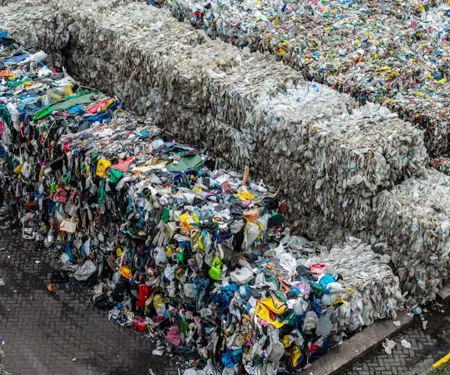
Recyclable- Aluminium is highly recyclable, which aligns well with sustainability objectives. As defence industries increasingly prioritise environmental considerations, the recyclability of aluminium extrusions contributes to efforts to minimise manufacturing processes' environmental footprint.
Which aluminium alloys are most commonly used in military applications?
Aluminium Alloy 6061 -This meticulously chosen alloy is a staple in aircraft components, missile parts, vehicle frames, and other structural elements. Its exceptional strength, commendable corrosion resistance, and weldability make it the ideal choice, a testament to our precise selection process.
Aluminium Alloy 6063 –This versatile alloy is most commonly used for architectural components, vehicle frames, and other structural parts. The 6063 offers good formability, corrosion resistance, and more ensuring its suitability for a wide range of applications.
Aluminium Alloy 7075 – Aerospace components, high-stress structural parts and missile components
DTD 5124 - A British alloy similar to AA7075, popular in European defence applications for rocket motor casings and structural components.
Aluminium Alloy 2024- High strength, good fatigue resistance, and machinability are some of the features that make this alloy stand out in the military market. It is used mostly in aircraft structures, aerospace components, etc.
Other alloys– Aluminium alloy 7005, aluminium alloy 5083, aluminium alloy 7050 and aluminium alloy 2014.
The selection of a specific aluminium alloy hinges on the intended use, environmental factors, and the desired properties. In defence applications, materials must withstand harsh conditions, offer excellent strength-to-weight ratios, and resist corrosion. These alloys are consistently chosen for their reliability in meeting these demands, bolstering the performance and longevity of defence-related components and structures.
Application of aluminium in different defence equipment-
- Use of aluminium in bulletproof equipment like helmets, vests and riot shields
Aluminium alloy is widely used as a material for hard bulletproof layers. Different countries have established various bulletproof standards. Incorporating aluminium alloy bulletproof insert plates can reduce the weight and thickness of personal bulletproof vests by over 50 per cent. This reduction not only enhances soldiers' agility and speed but also significantly alleviates individual pressure and enhances endurance.
2000 series - 2021, 2019, 2519 etc.
Traditional steel plates weigh three times more than aluminium. By integrating boron nitride nanotube-reinforced particles into aluminium alloy, it can match the strength of steel while remaining lighter in weight. This innovation reduces the weight of bulletproof insert plates from 3 kg to 1 kg, effectively lightening the load of individual equipment.
- Use of aluminium for making armoured vehicle plates
A large amount of aluminium alloy is used in the body, armour and mobile systems of armoured vehicles. Advantages of using aluminium alloy for armoured vehicle plates:
- Aluminium alloy is highly malleable, allowing for easy forging, rolling, punching, and cutting.
- It exhibits excellent welding capabilities. The alloy demonstrates good plasticity and impact resistance, crucial for ensuring ballistic resistance in armour structures.
- Post-aging, it can regain more than 70 per cent of its original tensile strength.
- Aluminium alloy armour offers superior bending stiffness, potentially eliminating the need for reinforcing ribs and thereby lowering the manufacturing costs of armoured vehicles.
- This reduces production expenses and overall costs.
- By reducing the number of structural parts in armoured vehicles, it conserves equipment, reduces power consumption, and saves energy.
Common aluminium alloy series preferred:
Weldable 7020, 7017 and 7018 aluminium alloys
2139-T8 and 2195-T8P4 with more excellent mechanical and ballistic properties
5083 H131 aluminium sheet with corrosion resistance and strong welding performance
- Use of aluminium in military aircrafts like armed helicopter, fighter planes and warships
High-strength aluminium alloys are integral to helicopter airframe materials. For example, China’s newly developed Zhi-19E light-armed helicopter features aluminium alloy as the predominant material, comprising over 60% of the structural materials.
Due to the significant decrease in mechanical strength at temperatures of 150 ℃ and above, the use of aluminium alloys in fighter aircraft has declined compared to earlier times, but they still play a significant role. For instance, aluminium alloys made up as much as 70.7% of the early F-104 fighter aircraft. In contrast, the proportion of aluminium alloy in more modern U.S. F-22 fighter aircraft has been reduced to 15 per cent.
Aluminium alloys are extensively used in military ships, particularly in the form of plates, profiles, and wallboards. These marine applications often rely on high-magnesium aluminium alloys, renowned for their excellent corrosion resistance and weldability. The structural components in these applications typically feature alloys such as Al-Zn-Mg and Al-Mg-Si, further highlighting the diverse applications of aluminium alloys in the military sector.
Use of high-strength aluminium in aerospace
7020 aluminium, a high-strength alloy renowned for its exceptional structural integrity and fatigue resistance, is highly favoured for applications under significant stress. With zinc as its primary alloying element, it offers superior strength compared to other aluminium alloys. This makes it a preferred choice in critical sectors like aerospace and defence. An aircraft's weight significantly impacts its efficiency and performance. Utilising 7020 aluminium enables lighter aircraft construction while maintaining strength and safety standards.
The defence industry also leverages 7020 aluminium's advanced properties to great advantage. In military applications, where durability and reliability are paramount, this alloy facilitates the development of lightweight armoured vehicles, military aircraft, and naval ships. The reduced weight of 7020 aluminium enhances fuel efficiency, boosts speed, and extends the range of military vehicles, providing strategic benefits.
Furthermore, the high corrosion resistance of 7020 aluminium ensures that military equipment made from it can withstand harsh environments, a crucial factor for the longevity and dependability of defence systems. The use of 7020 aluminium in protective structures and precision-guided munitions manufacturing underscores its pivotal role in modern warfare, where technological and materials science advancements are increasingly crucial.
Furthermore, aluminium's durability makes it well-suited for combat applications. The military demands high levels of strength and safety for its equipment. From military vehicles and body armour to weapons and other gear, aluminium enables these items to withstand extreme conditions effectively. Additionally, as military equipment increasingly integrates high technology, aluminium's excellent thermal and electrical conductivity proves invaluable for electronic devices and mobile computing. Here, durability and reliability are paramount.
The practicality of aluminium's lightweight nature has made it a popular choice for the military. The most functional alloys for military use are those that can be easily welded while providing a high level of protection, making aluminium ideal for military-grade armour. The 5000-series aluminium alloys are commonly used in all current aluminium vehicles due to these benefits. Meanwhile, the 7000-series heat-treatable alloys are highly valued for their ability to withstand impacts from all angles.
The use of aluminium in military ordnance has reduced costs while maintaining and often enhancing performance. Aluminium forms the base for a wide range of military artillery, from guns and launchers to torpedoes and mines. For instance, the conventional 20-mm round features a conical aluminium nosepiece, and the M-60 machine gun incorporates several aluminium components. Aluminium alloys have fundamentally transformed the military.