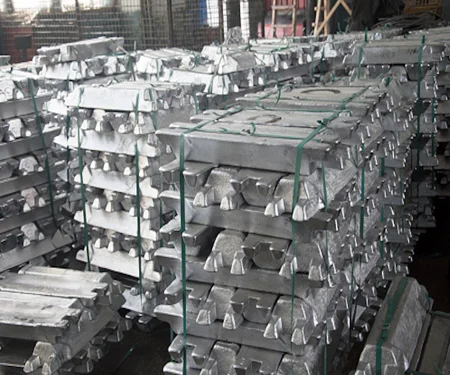
LEVC starts production of its new electric van VN5 using 400 individual pieces of aluminium

On Tuesday, November 3, LEVC (London Electric Vehicle Company) announced that it started the production of its second product line - electric van VN5. VN stands for van and 5 for the volume of the cargo area.
The company said that it had been designing, engineering and manufacturing the car at its award-winning production plant in Antsy Coventry – the UK’s only dedicated electric vehicle factory.
VN5 is the first electric van model from LEVC, the maker of the world’s most iconic taxi. The company has followed the same technical and functional nomenclature strategy for VN5 as it used for its first product line – TX (electric taxi).
VN5 features lightweight aluminium construction, bold and distinctive designs, and eCity technology. LEVC expects its new electric van to account for around 70 per cent of production volume by 2022.
Joerg Hofmann, CEO of LEVC, commented: “Today is a historic moment for our iconic company as we launch a second product line and continue our growth strategy to become a leading commercial vehicle manufacturer. VN5 sets new green mobility standards in the industry and establishes a new and highly desirable electric van segment.”
The VN5 project benefited from government funding through the Advanced Propulsion Centre (APC), which supported LEVC in the design, development and testing of the new electric van, including a robust 32-month prototype testing programme.

Business and Industry Minister, Nadhim Zahawi, said: “In recent years, the London Electric Vehicle Company has proven itself to be a pioneer in developing electrified transport in the UK. Now, with government support, the company is further cementing its reputation with the production of new electric vans in the UK’s only factory dedicated entirely to electric vehicle production.”
He added, “This is a real boost for manufacturing in the West Midlands and for delivery companies looking to improve their green footprint, driving us towards a future of greener travel both at home and abroad.”
LEVC’s production plant in Antsy Coventry is a fully digitalised smart 4.0 factory, which means all business systems and processes are interlinked and provide live, cloud-based data. Like TX, VN5 also starts its journey in the bodystructure area of the factory as over 400 individual pieces of aluminium. The plant houses 5 hot cure robots that apply bonding adhesive to the aluminium and 4 hot cure ovens that bake the body structures for 185 degree for 55-60 minutes. This technology creates a body 3-4 times stiffer than a welded body.

During the course of production, each VN5 will undergo 350 quality checks, and 1 in every 10 vehicles will undergo a full audit and inspection by a team of experts.
VN5 will be sold through LEVC’s growing international dealer network, with more than 50 locations in the UK alone by the end of 2020. Across the European continent, more than 30 sales and service partners will be in place.
Morocco’s import of Aluminium Foil during 2017-20 unveils a potential market
Next articleVishay Intertechnology launches miniature aluminium electrolytic capacitors
Grow with
AL Circle