Japan’s aluminium structures export likely to dip 12% in 2019; Philippines to be the leading importer
Japan’s aluminium industry has stepped up its efforts to have the light metal used more in bridges and other infrastructure, taking advantage of new design standards to boost stagnant demand. Therefore, the country has increased the use of aluminium in the building and construction sector, and also ramped up the downstream manufacturing of aluminium structures within the country. After catering to the indigenous demand, it has been exporting the surplus amount of metals structures to the international market.
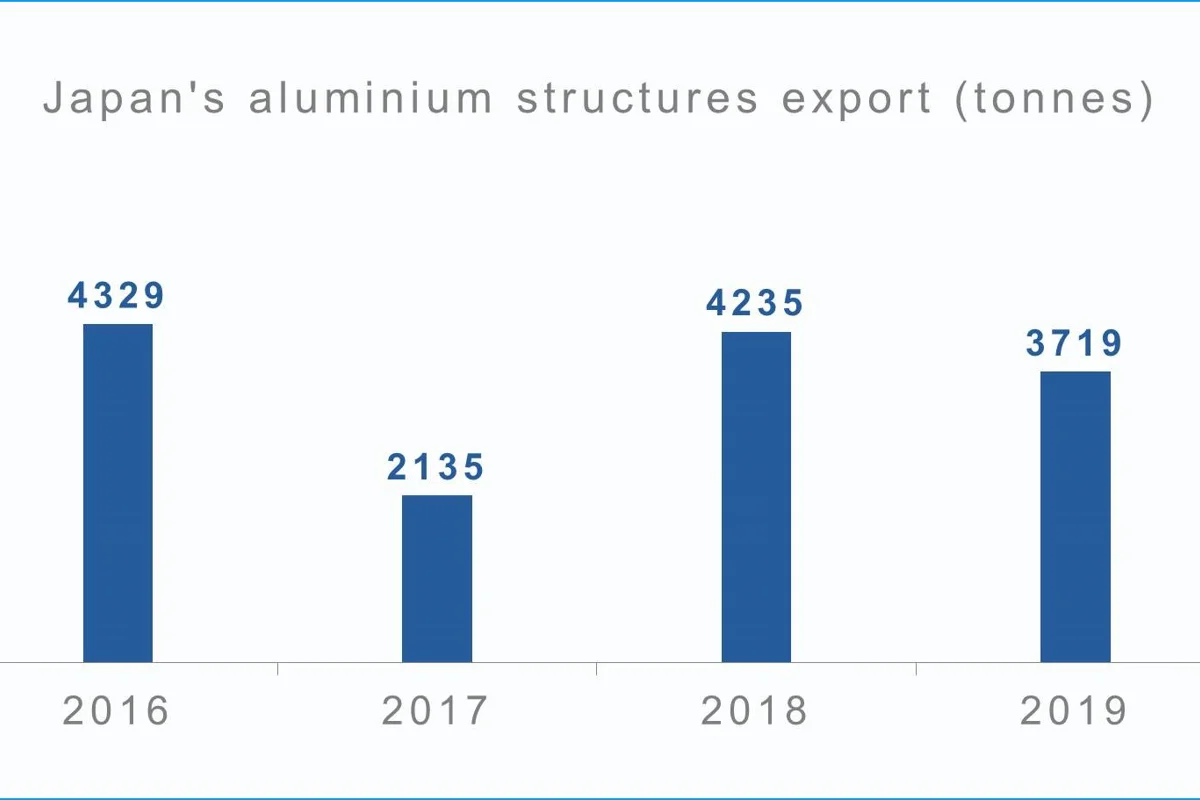
According to global export-import data, Japan’s export of aluminium structures had a sweeping growth of 98 per cent from 2,134 tonnes in 2017 to 4,235 tonnes. However, the export this year is likely to stand down at 3,719 tonnes, 12 per cent lower from 2018 but 74 per cent higher from 2017. In 2016, the country’s aluminium structures export had stood at 4,329 tonnes, which was higher from the export amount in the subsequent years. It was 102 per cent higher than in 2017 and 2.21 per cent higher than in 2018.
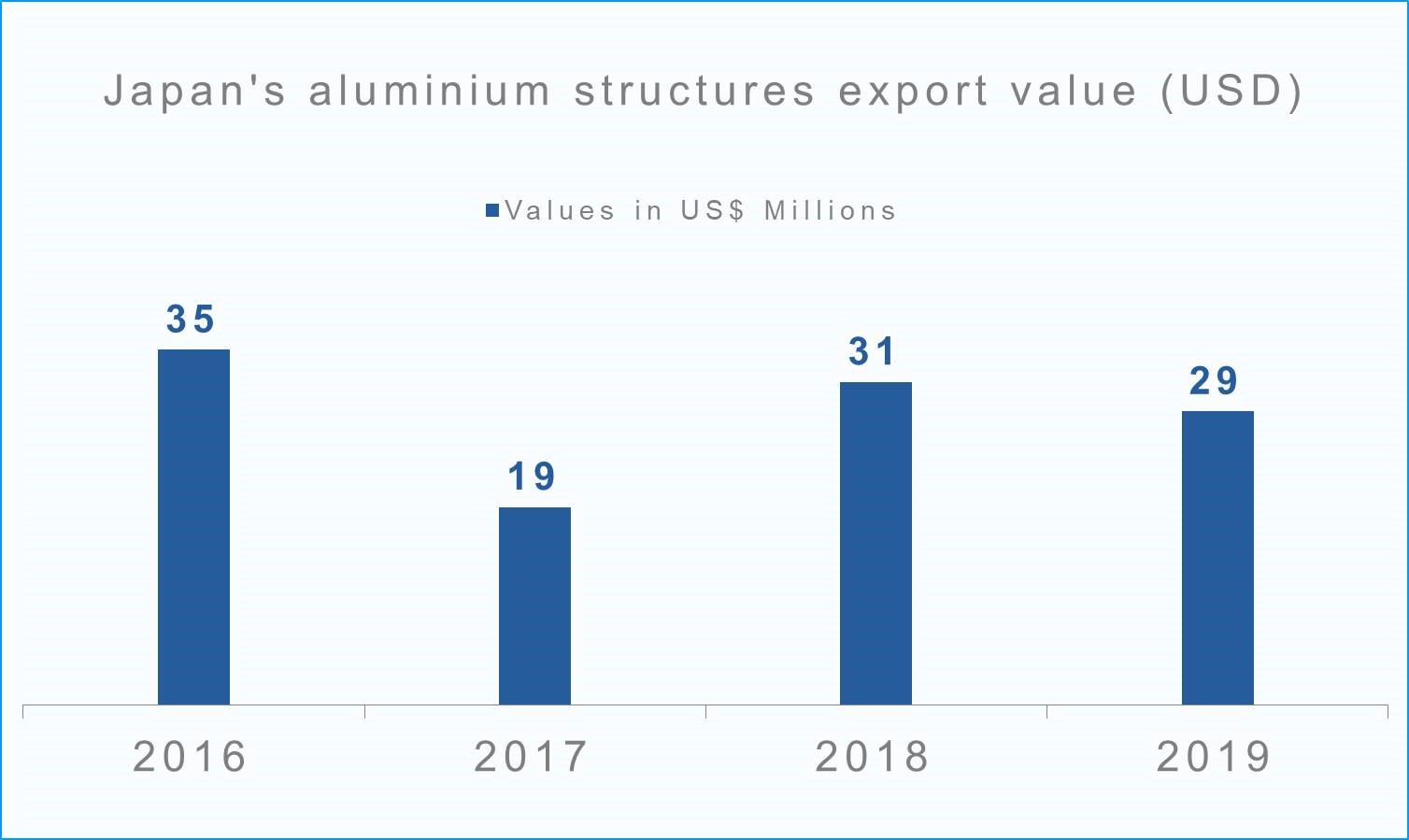
Consequently, the country’s export value of aluminium structures is likely to stoop down this year at US$29 million from US$31 million in 2018, which had seen a sweeping rise from US$19 million in 2017. Japan’s aluminium structures export value in 2016 was at its peak at US$35 million, in tandem with the export volume.
According to the available data, Philippines is likely to continue to be the leading country to source aluminium structures from Japan.

Turkey reduces import tariffs on US products by half
Next articlePress Metal Aluminium reports 2.2% growth in revenue for 1Q FY19
Grow with
AL Circle