Japanese bullet train operator recycles old cars into high-purity aluminium alloys
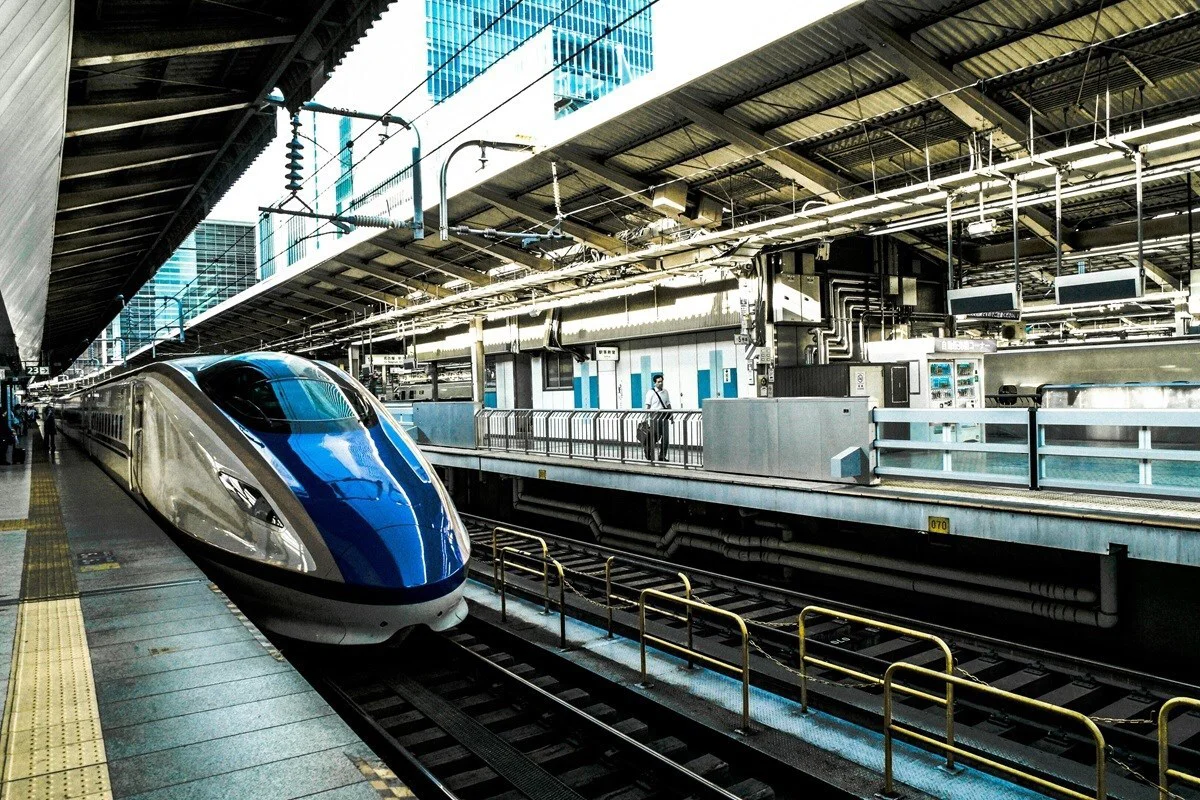
Central Japan Railway Co. (JR Central), operator of the Tokaido Shinkansen between Tokyo and Osaka, is recycling retired bullet train cars into high-purity aluminium alloys for reuse across transport infrastructure and consumer products. Instead of treating old rolling stock as scrap, the operator is integrating recycled material back into its supply chain.
Explore- Most accurate data to drive business decisions with 50+ reports across the value chain
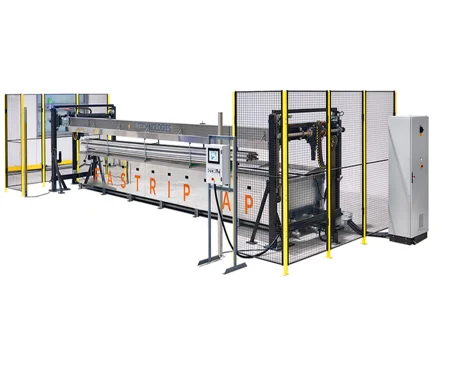
To remove coatings and other residues while extracting high-purity aluminium alloys, the bullet train operator is using a patented technology. The project represents a departure from previous procedures, in which retired train cars were mainly downcycled for use as deoxidisers in steelmaking because removing paint, insulation and adhesives was deemed too difficult and expensive.
That changed in 2020, when JR Central’s Tokyo-based real estate subsidiary, following unsuccessful and costly trials that began in 2018, secured a patent for a large-scale process using shredders and specialised equipment to convert retired cars into aluminium chips free of impurities. The recovered metal is now used in new Shinkansen cars, train stations, hotels, apartments and everyday items, including baseball bats and spoons.
The Nagoya-based company said the initiative can significantly reduce carbon dioxide emissions compared with producing new aluminium, thereby mitigating environmental impact. According to the company, recycling aluminium can reduce carbon dioxide emissions by 97 per cent compared with producing new material, equivalent to about 9 tonnes of CO₂ per tonne of aluminium.
Speaking on the company’s broader ambitions, Naoya Nobayashi of JR Central said, “We aim to contribute to environmental protection by accelerating our efforts toward carbon neutrality and resource circulation.”
Must read: Key industry individuals share their thoughts on the trending topics

SHFE aluminium night session breaks through 25,000, aluminium prices maintain high levels
Next articleChina sets five-year targets for renewable resource recycling
Grow with
AL Circle