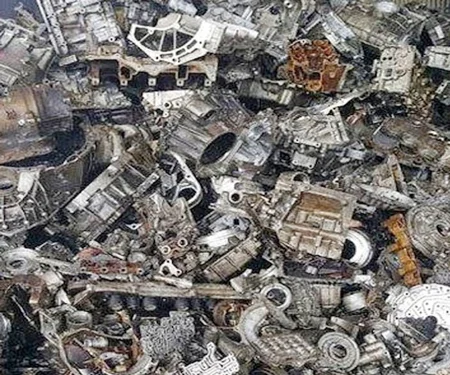
Japan auto-parts makers eye aluminium from Russia’s RUSAL amidst Middle East crisis
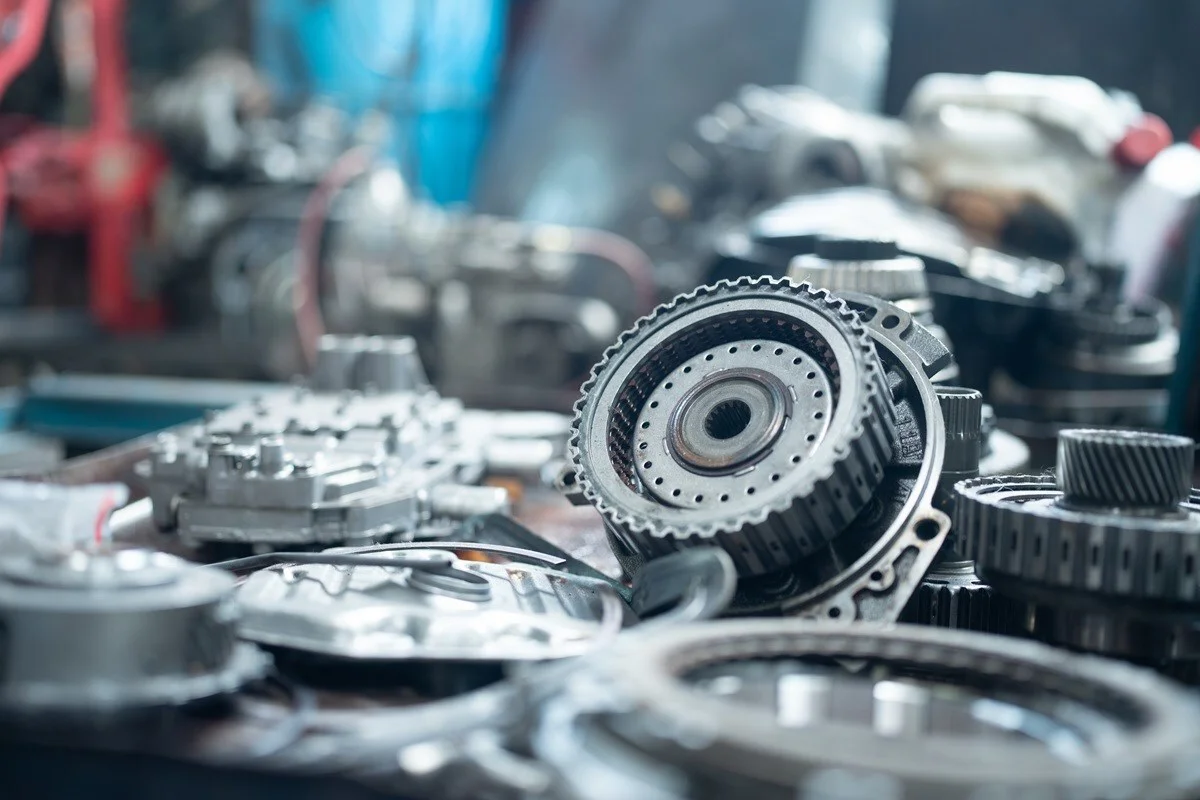
Aluminium supply chain crisis due to the geo-political conflict in the Middle East has turned Japanese auto-parts manufacturers to Russia's Rusal. Reports from various sources suggest that Japanese auto-parts manufacturers are even in talks with Rusal for over a week now to secure primary foundry alloys (PFAs), containing aluminium. Some deals are expected to close soon.
Explore- Most accurate data to drive business decisions with Global ALuminium Industry Outlook 2026 across the value chain
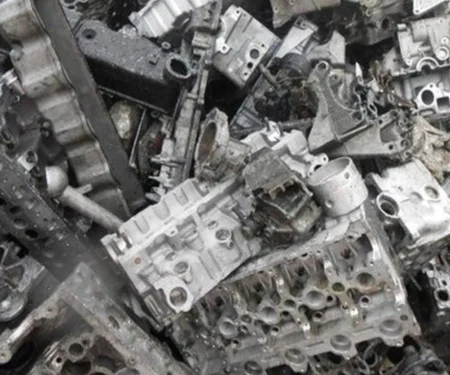
Some South Korean auto-parts makers are also negotiating with Rusal for PFAs’ supply, the critical raw materials used to produce wheels, engine blocks, and cylinder heads in the automotive industry. South Korea has been absorbing Russian aluminium, with 2026 volume projected just below 500,000 tonnes.
As disruptions in Gulf shipping have left buyers scrambling for alternatives, Japanese and Korean firms are also exploring supply options in India and other Asian producers.
Since the onset of the Ukraine-Russia conflict in 2022, Japanese companies have been voluntarily avoiding Russian aluminium. But now they are deviating from the act due to the looming supply pressure.
The Middle East accounts for roughly 10 per cent of global aluminium output. The UAE and Bahrain are the Gulf's two largest producers. Emirates Global Aluminium and Aluminium Bahrain are major exporters to Japan and South Korea. Both have been hit hard. Aluminium Bahrain declared force majeure following US-Israeli strikes on Iran, while Emirates Global Aluminium postponed some shipments. Disruptions in the Strait of Hormuz have impacted both energy supplies and bulk commodity flows.
Aluminium prices responded sharply. The metal touched its highest level in nearly four years in March 2026 as hostilities escalated.
In Japan, any final decision to buy from Rusal requires commercial and geopolitical review. Buyers are expected to push for long-term supply agreements given the urgency.
The market is also seeing opportunistic behaviour. Some suppliers have withheld shipments since conflict began, betting on higher prices. Rio Tinto suspended second-quarter delivery negotiations with Japanese clients on March 2, 2026, and pulled an initial premium offer of USD 250 per tonne.
The US is under comparable pressure. Aluminium buyers in the United States are rushing to secure alternative suppliers. The Middle East provided over a fifth of the nation's aluminium imports last year. That supply chain is essential to its large automotive industry.
However, Rusal has refused to comment on this development.
Don’t miss out- Buyers are looking for your products on our B2B platform

Citigroup Inc. announces acquisition of Kaiser Aluminium Corporation shares
Next articleAluminium wire trade report: 10 leading exporters in the global market
Grow with
AL Circle