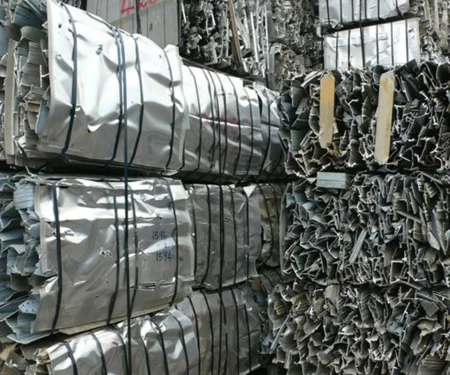
Japan aluminium premiums likely to settle at US$100-US$130 by late-2019
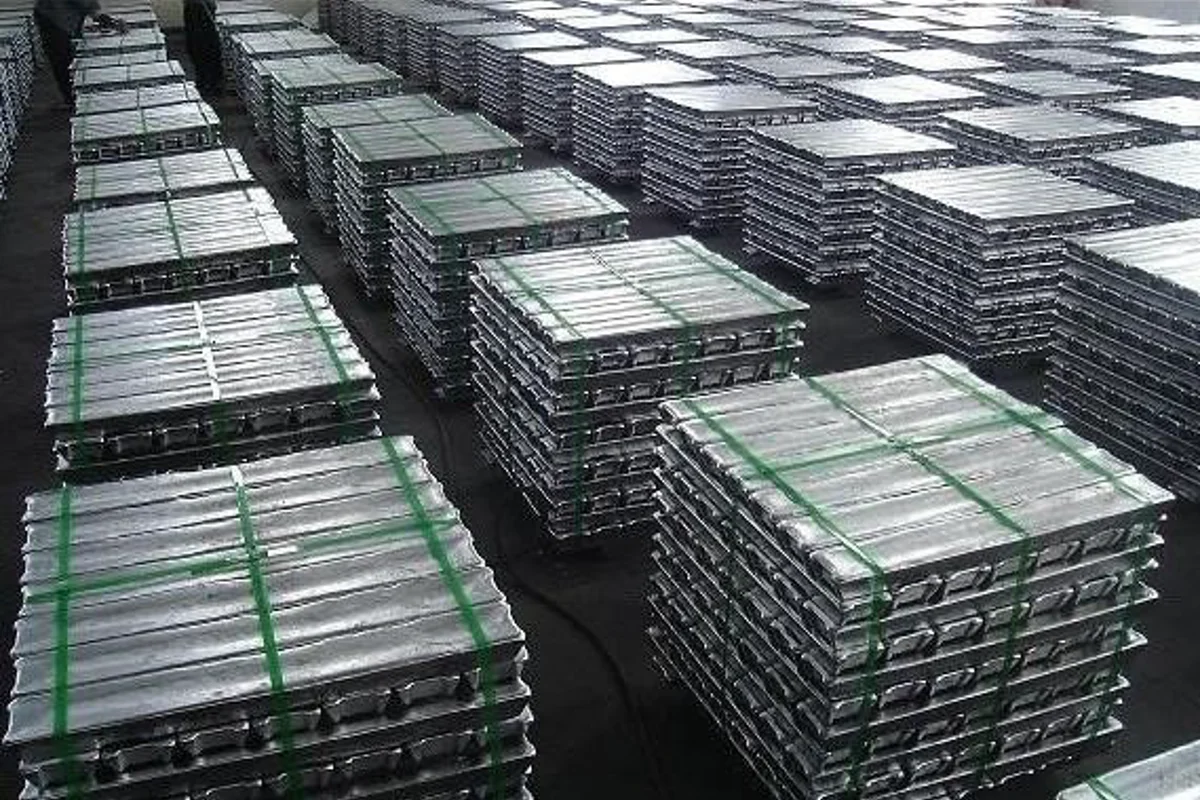
According to a Reuters report, trading house Marubeni has projected Japan aluminium premiums to rise towards a range of between US$100 and US$130 a tonne in late 2019 due to tighter global supplies despite Rusal getting back into action.
LME aluminium prices sank to a 16-month low on Thursday on the news that it would withdraw sanctions on Rusal in one month.
“We didn’t expect the U.S. to lift the sanction on Rusal this early, but aluminium market has largely discounted the lifting for some time,” Hideya Kitamura, general manager at Marubeni’s light metals section, told reporters on Thursday.
He also added that aluminium price would recover next year on supply tightness and premiums would rise above $100 a tonne in and after April during pick demand season.
Japan being Asia’s top aluminium importer, the premiums it agrees to pay each quarter over the LME aluminium cash price set the benchmark for the region. According to the trading house, the Japanese premiums (PREM-ALUM-JP) that are now under negotiations are likely to settle at US$85 per tonne for January-March quarter and reach US$90-US$120 in April-June and US$100-US$130 in H2 2019.
Considering the shipping fees and insurance for bringing the metal to Japan are about US$90-US$95 a tonne, premiums are not likely to fall from the current levels. Some Japanese aluminium buyers are claim ed to have agreed to pay global producers a premium of US$85 per tonne over the LME cash price for January to March period, the lowest in more than two years.
Three-months LME aluminium now stands at US$ 1923.50 per tonne, the lowest since Aug. 4, 2017. Marubeni, a major Japanese aluminium trader, expects the metal prices to rebound to a range between US$2,000 and US$2,100 in H1 2018 and US$2,100-US$2,250 in H2.
The also projected a global aluminium market deficit of 1.38 million tonnes in 2019, against a shortage of 1.72 million tonnes this year, amid solid automotive demand.
China aluminium producers to cut another 800,000 tonnes of capacity: Source says
Next articleChinese primary aluminium inventories drop slower over the weekend; A00 ingot price increases RMB 60/t
Grow with
AL Circle