In a recent conversation with one of the leading Indian news media, Jamie Dimon, a seasoned financial expert and the CEO of JPMorgan, shared his insights on the global economy's challenges. He underscored that despite lingering concerns over inflation and recession, the U.S. and India are demonstrating remarkable resilience.
"There's a lot of noise about recession — the U.S., Europe, and a slowing China," Dimon said, acknowledging the global uncertainty.
He noted that while China's economic growth has decelerated, India is performing exceptionally well. The U.S. economy, too, has exceeded expectations, weathering economic headwinds better than many anticipated.
Dimon's comments reflect a nuanced understanding of the global economic landscape as nations grapple with inflationary pressures, shifting trade dynamics, and geopolitical tensions. However, he highlighted the strength of the U.S. and Indian economies as bright spots in an otherwise turbulent global market.
As Dimon elaborated on the daily economic activities that contribute to growth, he stated, “For example, JP Morgan moves $10 trillion a day. Investors are making decisions, every single day. People are going to work, sending kids to schools and buying food - that’s what drives the economies.”
It illustrates that everyday economic actions play a crucial role in understanding the larger trends in the economy.
Influence of geopolitical factors
Dimon highlighted that geopolitical factors will shape the future course of the global economy more than financial markets alone.
He stated, "Geopolitics is far more important for mankind than interest rates in Japan and the United States."
He voiced deep concerns over the intensifying geopolitical crises involving Ukraine-Russia and the Middle East, highlighting the significant threats posed by missile strikes and ongoing military operations.
Dimon acknowledged the consequences of the Federal Reserve's recent interest rate cuts in his speech. "It looks that way, but I'm a little cautious in that," he noted regarding the prospects for a soft landing.
Dimon expresses confidence in the Fed's decision to lower interest rates, attributing this optimism to the stability of the underlying economy.
Flows of capital and economic normalisation
Dimon noted that this indicates a normalisation in the global financial landscape when addressing the differing monetary policies between the U.S. and Japan.
He stated, “It’s just a normalisation. Japan is still kind of zero, and they’re moving up a little bit.”
According to him, economic growth will drive capital flows more than interest rates alone, saying, “The real thing that’s gonna drive flows will be growth in the economies, and not just the interest rate.”
Dimon observed that many investors have begun to unwind their positions regarding the yen carry trade. He also emphasised that geopolitical risks substantially threaten global markets, remarking, “That overshadows all other concerns.”
India's aspirational growth potential
Dimon lauded India's progress, attributing its achievements to successful reforms and enhancements in infrastructure.
"I think you guys here have done a fabulous job at that. Your Aadhaar system, the banking accounts, reforming the GST, building national infrastructure, reducing regulations," he stated.
Dimon expressed optimism regarding India's goal of achieving a $7 trillion economy, "These things help the country and help lower-income folks, in addition to the wealthy."
Reflecting on JP Morgan's involvement in India, Dimon noted the growth of the bank's research efforts, noting, "Today, we do research on close to 140 companies, which helps educate the world about Indian companies."
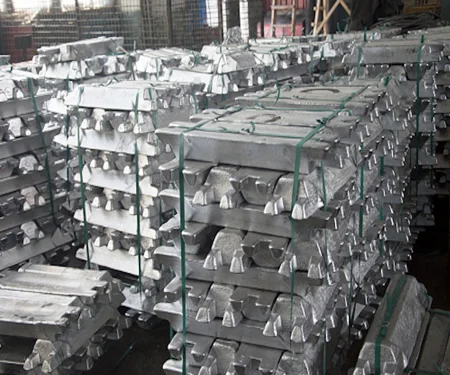
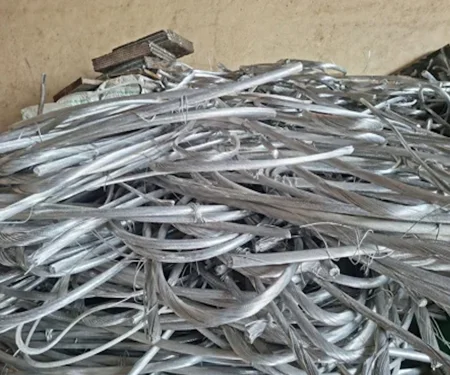
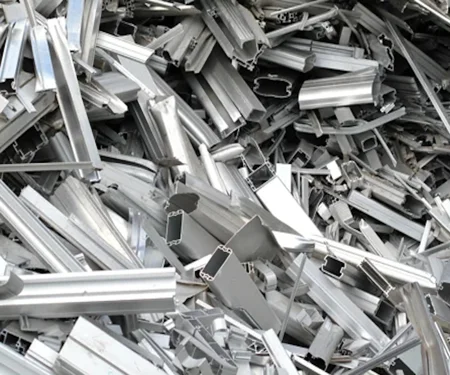
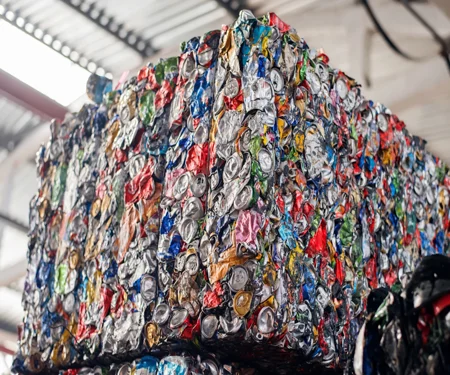
Let’s check about India’s aluminium consumption
Aluminium consumption typically rises alongside increases in per capita GDP and industrialisation. According to a research report by Standard Chartered Bank, India's per capita income is projected to grow approximately 70 per cent by 2030, reaching $4,000 from the current level of $2,450. This income boost, largely driven by household consumption, is expected to play a significant role in India's transition into a middle-income economy with a GDP of $6 trillion.
According to one of India's leading aluminium producers, over the past three years, India's aluminium consumption has averaged a robust growth rate of around 14 per cent, coinciding with an economic growth rate of 7 per cent. In 2023, India’s aluminium consumption was around 4.45 million tonnes, and AL Circe estimated that in 2024, the aluminium consumption may reach 4.76 million tonnes. If this growth rate continues, consumption is expected to double to 10 million tonnes within five years and reach 20 million tonnes in another five years.













_md.webp)
_md.webp)
_md.webp)