Iran’s alumina output tops 155,000t in first eight months ahead of major expansion
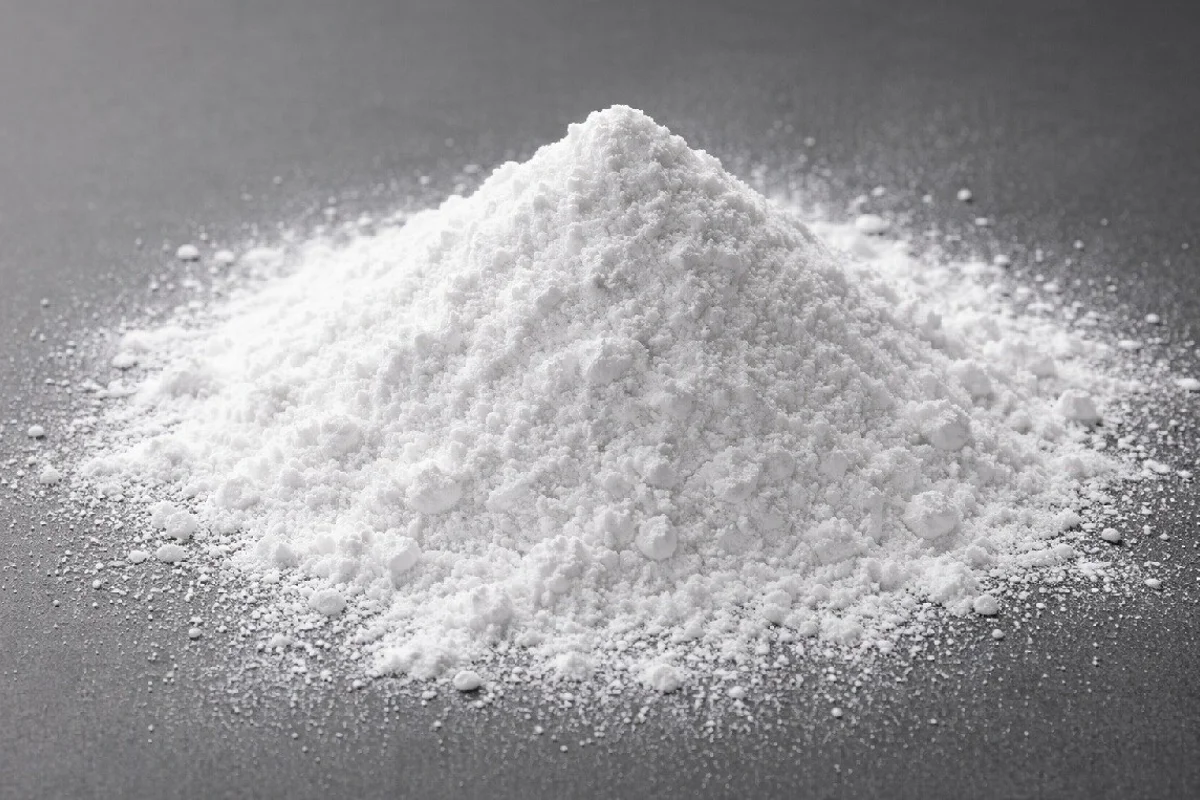
Iran has been steadily lifting its alumina powder output this year, with production topping 155,000 tonnes over the first eight months of the current Iranian calendar. IMIDRO data shows that 155,410 tonnes were produced between March 21 and November 21. Earlier figures had already pointed to this momentum, with alumina powder output standing at 114,153 tonnes in the first half of the year, covering the period from March 21 to September 22.
Alongside rising output, Iran is preparing to launch its largest alumina production project. IMIDRO announced in late September that implementation of the new facility will begin by the end of the year in the Parsian Special Economic Zone. The project forms part of Iran’s Seventh National Development Plan and is designed to deliver one million tonnes of alumina powder annually. Execution will commence once approvals are secured from relevant authorities and the Supreme Economic Council.
From single producer to regional ambition
At present, Iran’s alumina industry is centred on a single producer: The Jajarm plant, which has an annual capacity of around 240,000 tonnes. The Parsian site, located in western Hormozgan province, is expected to change that landscape. IMIDRO has highlighted that the zone’s dedicated port will allow direct access for importing raw materials and exporting mineral products.
Officials say the new plant will significantly cut reliance on imports, expand domestic capacity and represent a major step forward for Iran’s aluminium industry, reinforcing its standing as a leading producer in West Asia.
Explore industry data to drive business decisions with our 50+ reports across the value chain.

Vedanta’s Lanjigarh refinery hits 5MTPA, India’s alumina capacity nears 13MTPA
Next articleDAILY: Chinese spot alumina prices remain weak
Grow with
AL Circle