Iranian aluminium semi-finished goods import during 2019-21 illustrates sharp decline followed by a marginal increase; 9% further plunge is predicted for 2022

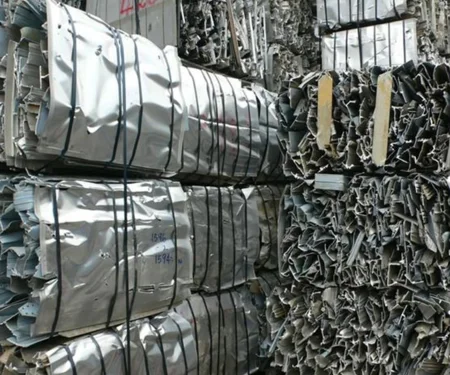
In the Aluminum Association's definition, sheet aluminium is defined as being 0.008 inches thick to less than 0.25 inches thick. The thinnest aluminium is foil, 0.250 inches thick and the thicker aluminium is plate. Strips are sheets that are machined into units with smaller widths for specific uses.
According to an overview by World Bank, slowly but surely, Iran's economy is emerging from a decade of stagnation due to two rounds of economic sanctions, oil price cyclicality, and the COVID-19 pandemic. In 2020/21, real GDP almost reached the level of 2010/11, and real GDP per capita fell to its 2004/05 level. The resurgence of the global and domestic activity in 9M-21/22 led to 5% year-on-year growth in the oil and service sectors (respectively 11.7% and 6.5% growth).
The Western Asian nation, Iran imported 20,115 tonnes of aluminium semi-finished goods (plates, sheets and strips) from 2019 to 2021, causing a revenue outflow of $54.94 million for the import.

In 2019, Iran registered importation of 8744 tonnes of aluminium semi-finished goods, incurring revenue expenditure of around $17.84 million, whereas, in 2020, the import signified a sharp decline by 37.29%, as the import volume dropped to 5483 tonnes and expenditure also dropped to 5483 tonnes, a major reason was the Covid pandemic when everything came to halt.
Iran imported aluminium semi-finished goods of 5888 tonnes in 2021, illustrating a marginal upswing of 7.38% and the expenditure accounted for $20.75 million, as the year witnessed some drop in cases in the Covid in the latter part of the year and the businesses initiated to get regularized.
The import for 2022 is analysed again with a drop in demand by 5.97%, as the import volume is anticipated to sink at 5324 tonnes, while expenditure to stand at $20.45 million.

The major trading destinations for Iran’s importation of aluminium semi-finished goods are Bulgaria, China, Greece, Italy, Slovenia, etc.
Etem Gestamp’s aluminium extrusion and automotive sector in Bulgaria join ASI as new industrial user member
Next articleLaunch Alert! AlCircle’s new report, “The World of Aluminium Extrusions - An industry analysis with forecasts to 2027"
Grow with
AL Circle