Iran signs five rail logistics MOUs, including Iralco aluminium transport deal
The image used in this article is generated with an AI tool and does not depict any real-time moment
Iran has signed five new memoranda of understanding (MOUs) with private sector organisations to strengthen its rail transport and logistics network, with one of the agreements aimed at improving the movement of raw materials and finished aluminium products.
The agreements were signed at a ceremony attended by Minister of Transport and Urban Development Farzaneh Sadegh, Islamic Republic of Iran Railways Managing Director Jabbar Ali Zakeri, Mostazafan Foundation Head Hossein Dehghan, Parliament's Civil Committee Chairman Mohammad Reza Rezaei Koochi and senior representatives from the private sector.
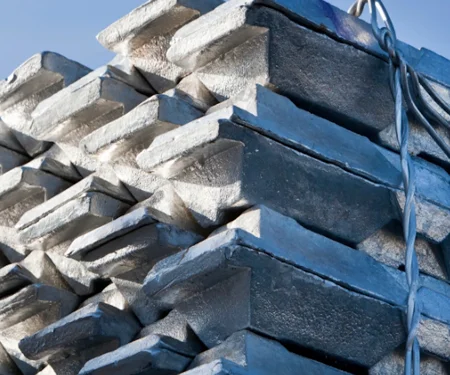
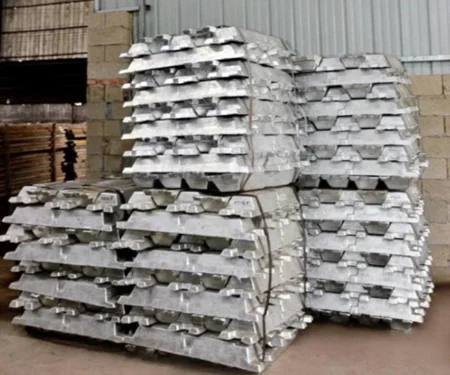
Among the agreements was a cooperation MOU between the Railways Company and Iran Aluminum Company (Iralco). The partnership focuses on expanding rail transport for the company's raw materials and products through joint planning for wagon supply, loading and unloading operations, transport management, operational mechanisms and freight tariffs. The initiative forms part of a broader effort to increase the role of rail in industrial supply chains and freight movement.
Five agreements target logistics, transit and supply chain expansion
The aluminium-focused agreement was one of five partnerships announced as part of a wider strategy to develop rail infrastructure, increase the share of rail in freight transport, strengthen logistics hubs, expand transit activity and advance the country's long-term transport policies.
Another MOU was signed to develop logistics, transit and rail cooperation at the Sarakhs Border Logistics Center. The project includes the development of rail infrastructure across three logistics levels within the Sarakhs Free Zone, covering more than 1,300 hectares. Plans also include increasing rail transport capacity at the logistics centre and improving customs procedures through the installation of equipment such as X-ray systems and weighbridges.
A separate logistics cooperation agreement between the Railways Company and the Mostazafan Foundation of the Islamic Revolution will support the design, development, investment and operation of rail freight and container logistics terminals across the national rail network. The collaboration will focus on logistics hubs including Khaf, Aprin and Zahedan, using the technical and economic capabilities of both organisations.
Explore: The most comprehensive and forward-looking industry-focused report – Aluminium Flat Rolled Products: Insights & Forecast to 2030
The Railways Company also concluded an agreement with Hopad Darya Shipping Agency and Port Services Company, representing the Shipping Logistics Holding, to develop and operate rail freight and container logistics terminals at key logistics hubs and ports, including the Aprin Logistics Center.
In addition, a cooperation MOU was signed with the Jahad-e-Esteglal Institute to strengthen import routes and expand the transport of basic commodities by rail. The agreement supports passive defence objectives, diversification of supply sources, stronger supply chain resilience and government food security policies. It also covers the development of rail transport for essential goods, reductions in logistics costs, stabilisation of transport tariffs, the creation of storage warehouses adjacent to rail lines, expansion of combined transport, fuel savings and lower environmental emissions.
According to the Islamic Republic of Iran Railways, the five agreements represent an important step towards improving logistics infrastructure, strengthening the role of rail within the national supply chain, increasing transit and trade capacity, and supporting the country's transport development objectives.
Government targets major increase in rail freight capacity
Speaking at the signing ceremony, Transport and Urban Development Minister Farzaneh Sadegh described rail as the backbone of national development and said greater emphasis on sustainable, affordable and internationally connected rail transport is essential for future growth.
She said rail and road networks should complement each other and that balanced development across both sectors is necessary to achieve the country's wider economic goals. Referring to the strategic Chabahar-Zahedan railway project, Sadegh said the rail connection has already been realised as a major infrastructure achievement, while efforts to expand rolling stock and complete eastern rail corridors are continuing.
The minister noted that this was the fifth contract and MOU signing ceremony held by the Railways Company under the current administration. Previous rounds had focused on freight and passenger rolling stock, while the latest agreements are aimed at strengthening supporting infrastructure. She added that attracting private investment depends on building investor confidence and said private sector participation in infrastructure and rolling stock projects continues to expand.
Explore our e-magazine ALuminium LeaderSpeak 2026 for the latest industry insights and trends.
Rail freight capacity seen rising to 18 million tonnes
Sadegh also highlighted the strategic importance of the Sarakhs Free Zone, saying that improving service quality and increasing transit capacity there requires close coordination between different agencies. She linked these efforts to the government's transport diplomacy with neighbouring countries, which she said has created new opportunities for developing logistics centres and attracting transit cargo.
Addressing freight transport, the minister argued that the main challenge is not a shortage of rolling stock but ensuring that more cargo is directed towards the rail network. A substantial share of freight currently moved by road, she said, could be shifted to rail through the creation of logistics centres and guaranteed cargo flows. She also pointed to capacity constraints at southern ports, noting that stronger entry and exit points along the country's northern, northeastern, northwestern and southeastern borders have become increasingly important.
Based on expert assessments, Sadegh said Iran could raise annual rail freight capacity from 6.9 million tonnes to 18 million tonnes by making better use of existing infrastructure, without the immediate need for major new construction projects.

Royal Enfield Classic 650 combines vintage styling with modern features
Next articleTesla starts delivering Model Y L in India, highlights aluminium and giga casting technology
Grow with
AL Circle