Inside the 2025 auto tariff: Three layers of duties that reshaped the industry and redirected trade routes
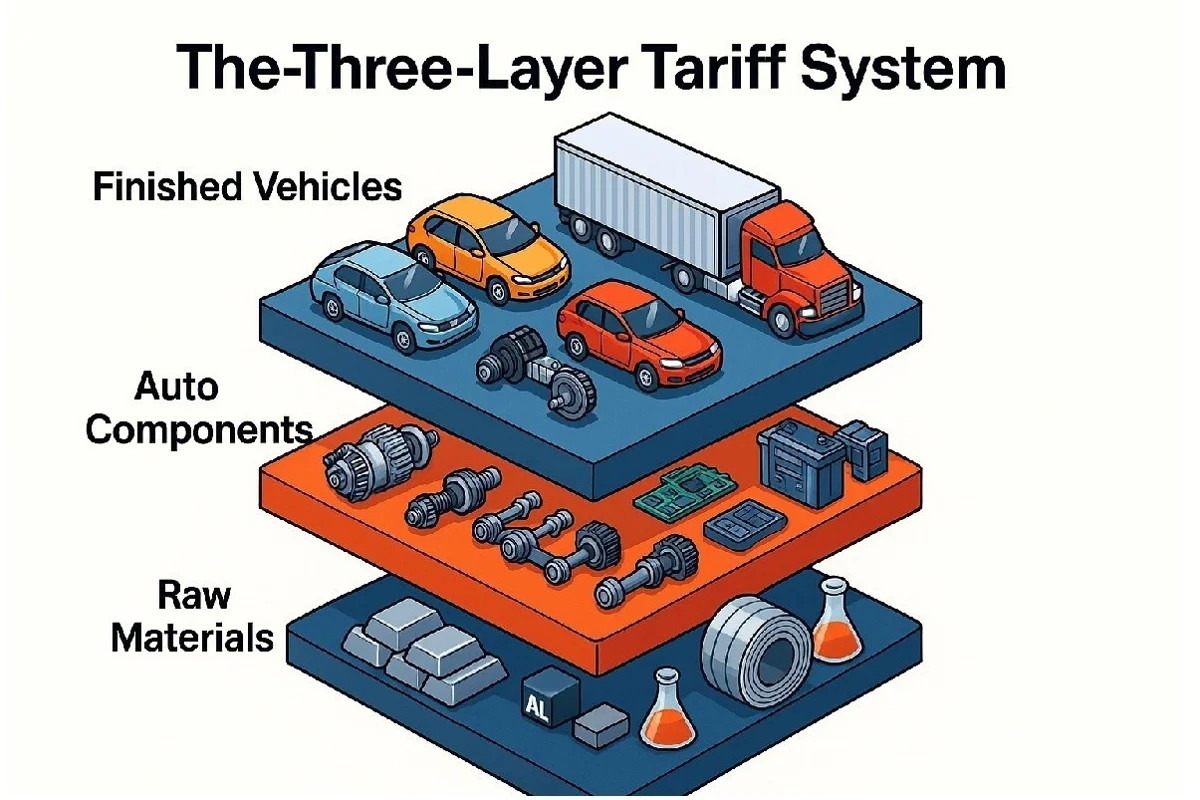
As tariffs rolled out this year, the automotive sector found itself navigating a policy shift that swiftly reconfigured supply chains, trade patterns and production decisions across markets. The tariff campaign on the automotive sector began with the first round of 25 per cent duties on April 3, hitting imported passenger cars, SUVs and light trucks under 14,000 pounds, instantly raising their costs and giving domestic producers such as GM and Ford a fresh competitive advantage. A second wave followed on May 3, this time directed at engines, transmissions, drivelines and electrical systems including batteries and wiring harnesses.
Although manufacturers were granted a brief window to front-load inventories, the pressure was immediate, especially for those unable to meet USMCA’s 75 per cent North American content threshold.
The framework hardened again on October 17 when Washington extended 25 per cent duties to medium- and heavy-duty vehicles and their parts, while buses were pulled in at a 10 per cent rate. These measures took effect on November 1 and sat on top of existing steel and aluminium tariffs that were already raising costs across commercial fleets.
Unlock full access – sign up for FREE.
Key benefits
Klein Dytham delivers a new face to Cartier’s Ginza store with aluminium artistry
Next articleKETO motors signs MoU with Telangana Government for INR 300 crore electric bus manufacturing facility
Grow with
AL Circle