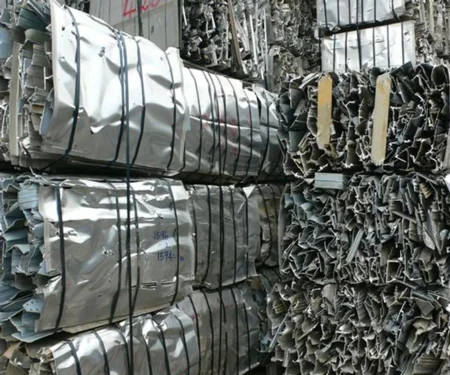
India’s aluminium stranded wire export estimated to drop in 2017

India’s overseas trade entered “the negative terrain” after more than a year shrinking 1.12 per cent in October as exporters faced a shortage of funds after GST implementation. The knee-jerk effect on the economy is expected to fade away but not before early next year. In tandem with the declining exports, aluminium stranded wire export is also inching towards a drop for the fiscal year 2017-2018, global trade data reveals.
India’s aluminium stranded wire export reached a peak in 2015 when it shipped 78476 tonnes of the product valued at US$218 million. Last year, the volume dropped to 77898 tonnes. The earnings from the export were estimated at US$204 million. The figures showed a significant surge from that in 2014, when aluminium stranded wire export by India lagged at 31015 tonnes (worth US$243 million).

In 2017, liquidity crunch issues are expected to bring down aluminium stranded wire export further to 68799 tonnes. However, the earnings are projected to grow reaching US$343 million by the end of 2017.
Aluminium stranded wires and cables are used in overhead power transmission and distribution applications in modern residential and industrial constructions. In India, leading companies manufacturing cables using aluminium stranded wire include Sterlite Technologies, Finolex Cables, Havells India, Polycab, KIE Industries, HPL Electric & Power, Capital Cables (India) Pvt Ltd, RR Shramik etc.


According to recent reports, India’s trade deficit widened to almost three-year high of US$14 billion last month as against US$11.13 billion in the same period previous year as imports surged. The exports dropped to US$23.09 billion in October from US$23.36 billion in the same month last year.
BECKER to use Vader Systems’ liquid 3D printer to produce automotive aluminium parts
Next articleAluQuébec initiative CeAl announces ‘aluminium in architecture’ themed design competition
Grow with
AL Circle