Worldwide Aluminium Limited, an Indian aluminium giant specialising in both aluminium-based industry and household products, has recently reported seeing a significant increase in buying activity, irrespective of market decline. How does it indicate for the Indian aluminium industry amidst the tariff imposed by Trump?
As of June 3, 2025, Worldwide Aluminium Limited saw a rebound in buying activity after witnessing a decline for five consecutive days. On the same day, the performance increased by 4.98 per cent, representing a contrast to the Sensex, which showed a decline of 0.62 per cent. It shows a stock trend reversal, as before the gain, the market was low for five days straight.
Despite the gain, the firm's stock indicates mixed performance in various frames. In the past week, the stock saw a downward trend of 12.12 per cent. On a Month-on-Month basis, the firm witnessed a total drop of 7.89 per cent.
But, this is not the case on a Year-on-Year basis, where the firm is deemed to outperform the Sensex, representing an upward trend of 8.52 per cent, where the index rose only by 5.75 per cent.
Overall, it can be stated that the firm's stock opened by a gap indicating strong interest from the buyers. Irrespective of this positive implication, the firm noticed the stock is traded below 5-day, 20-day, 50-day, 100-day and 200-day moving averages, stimulating a long-term bearish trend.
What is making a rise in the buying interest for Worldwide Aluminium Limited? It is attributed to several factors, including the short-term trading strategies and the market sentiment and its alignment with the investors' reaction to the current price movements.
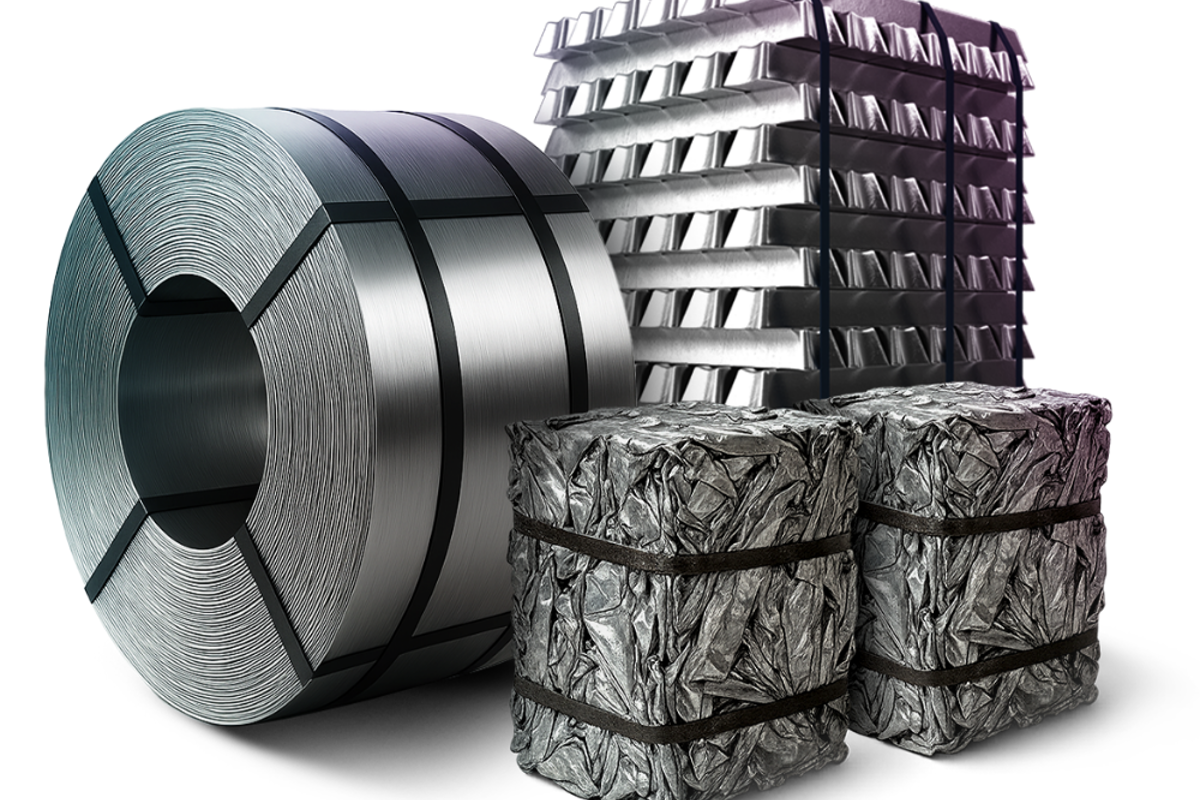
Worldwide Aluminium Limited deals in both aluminium-based industry and household products, which can be further classified into blister foils, pharma foil, sheets, coils, closure stock and foil for food packaging.
As per the report by market.us, it is estimated that the global aluminium foil market size is expected to reach USD 48.8 billion by 2034. As of 2024, the global market size for aluminium foil stood at USD 29.1 billion and is expected to have a CAGR of 5.3 per cent from 2025 to 2034.
On the other hand, the report by fact.mr states the global aluminium sheet market is expected to generate a total of USD 440.2 billion with a CAGR of 6.1 per cent by the end of 2034. The majority demand for the aluminium sheet would be initiated by the global automotive industry, where the demand growth shall rise by 6.3 per cent by 2034.
Similarly, a report by Business Research Insights states that the global aluminium coil market size is expected to reach USD 122.23 billion by 2032 with a total CAGR of 3.6 per cent. The majority of demand for aluminium foil is from the construction and automotive industries.
With such diversified demand drivers, what implications will the newly imposed 50 per cent tariff by Trump have on the buying interest for aluminium foil, sheets and coil? In the first three months of 2025, India exported a total of 528973 tonnes of aluminium, which accounts for INR 149.46 billion (USD 1.80 billion)
The 50 per cent tariff, which is said to be effective from June 4, 2025, is estimated to hurt a total of USD 5 billion in annual exports, prompting rising concern from the respective authorities. This metal is crucial for sectors like aerospace, energy transition, power, construction, defence and telecommunications.
The Aluminium Association of India has provided a statement where it is highlighted that the Indian aluminium industry has made a total investment of INR 1.15 lakh crores (USD 13.86 billion), which has increased the domestic capacity to 4.2 million tonnes per annum.
This impact shall extend to different sectors, which also include consumer goods and automakers. How? This change in the tariff will automatically be reflected in higher prices for the consumers. Many household products, especially canned products, would also face serious consequences.
Among all the sectors, the demand is deemed to be steady from both the construction and automobile sectors, irrespective of the change in the imposed tariff, because aluminium is a core metal used to manufacture building materials and components.
The pharmaceutical sector remains unaltered due to the additional 50 per cent tariff because of the strategic importance it holds in the global supply chain, which is directly linked to public health.
A clear overview of the 50 per cent tariff implication on India's export and buying interest:
- India's total export to the US is 18 per cent, among which automobile and electronics hold 16 per cent, indicating a stronger buying interest
- Concerning the rising demand from the textile industry, India may face challenges in terms of the buying interest from the US, but is expected to recover the same from other regions
- Regions like China and Vietnam, among others, are expected to have a lower tariff rate of 27 per cent, which may redirect the demand for electronics from the US to India.
With the trends and trade movement discussed so far, Worldwide Aluminium Limited’s buying interest will have an upward movement because the tariff for exporting aluminium products to other regions, apart from the US, is a viable option. Apart from this, the rising demand for the products shall continue to persist in sectors like construction and automobiles.
Aligning to this, the demand for pharmaceutical aluminium foil shall remain unaltered because of the constant need to meet public health concerns. However, the demand for household products, likely food packaging foil, may be severely affected as the price rises with the constant purchasing capacity.