Indian brands to slash prices: Almost all AL-inclusive goods are cheaper with 'GST 2.0' revised rates
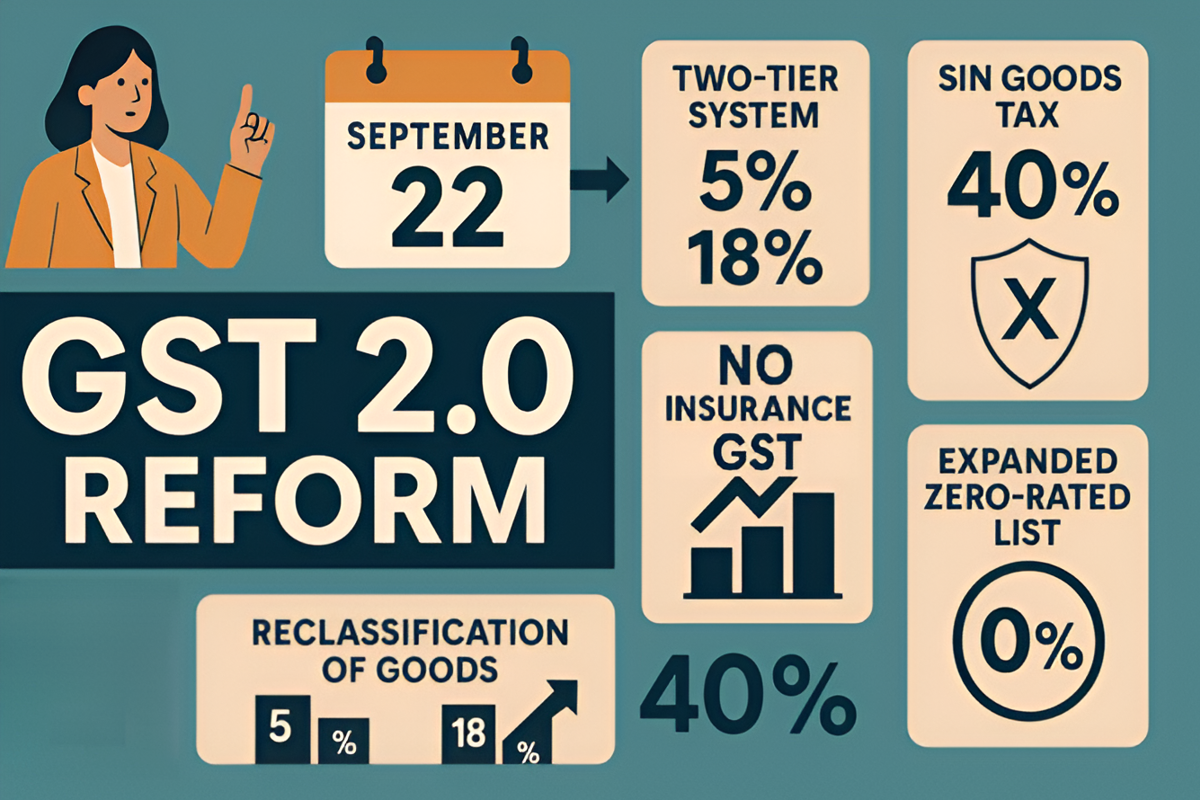
Goods and Services Tax, rather commonly known as GST, was first introduced in India by Prime Minister Narendra Modi and Finance Minister Arun Jaitley on July 1, 2017. It was said to have replaced a complex web of central and state taxes such as excise duty, service tax, VAT, octroi, and entry tax, unifying them under a single Goods and Services Tax (GST) framework. 8 years later, present Finance Minister of India has introduced ‘GST 2.0’ slashing previous five slab structure into a more concise 4 slab distribution.
Also read: Electricity behind aluminium’s price tag? Then, why does Europe’s “green” metal costs so much?
When it rolled out in July 2017, the tax system was dressed in five different slabs of 0 per cent, 5 per cent, 12 per cent, 18 per cent, and 28 per cent — a buffet that often muddled industry and consumers alike. Effective September 22 2025, the GST Council has collapsed the middle layers and replaced them with just four rates.
Unlock full access – sign up for FREE.
Key benefits
Analyst raises earnings forecast for Ball Corporation
Next articleVedanta commits ₹12,500 crore for green metals push to support India’s EV growth
Grow with
AL Circle