Indian aluminium sector bullish on economy; Crisil estimates INR 50 lakh cr infrastructure investment
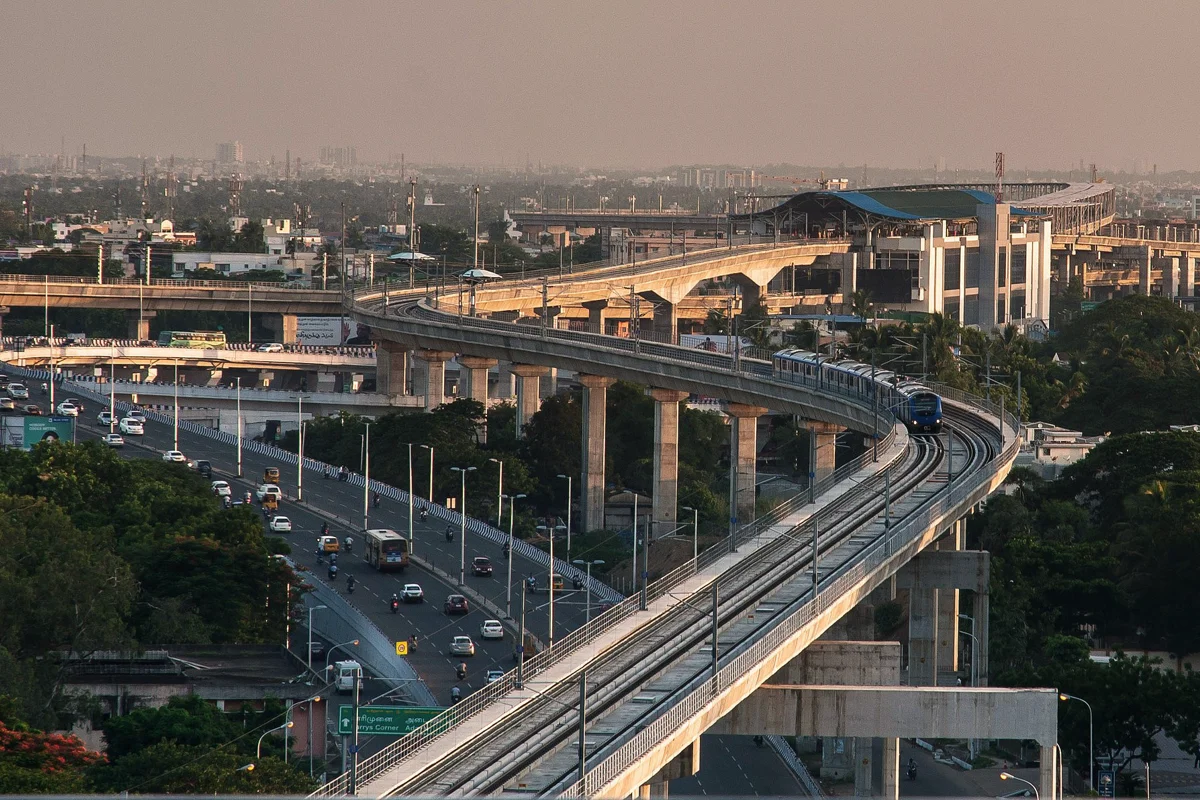
Global ratings agency Crisil estimated that India needs to spend at least INR 50 lakh crore (close to INR 3000 crore a day) over a period of five years between fiscal 2018 and 2022 to develop and expand its infrastructure sustainably. Primary aluminium, its alloys, and secondary aluminium which in a combined manner shares a growing percentage of the total materials market for power, construction, transport, and infrastructure can expect to benefit from the investments.
CRISIL has launched the CRISIL InfraInvex, India's first investability index that tracks, measures and assesses the development, maturity and investment attractiveness of the country’s infrastructure sectors against various parameters. The CRISIL Infrastructure Yearbook 2017, a first-of-its-kind annual publication which was launched alongside came up with the above statistics.
In a report titled “Indian Aluminium Industry: Geared for growth,” by Crisil published at the World Non-Ferrous Conference 2016, the ratings firm had noted that aluminium consumption in the country is poised to grow from 3.3 million tonne (mt) in 2015-16 to 5.3 mt in 2020-21 riding on a host of government initiatives like Make in India, Smart Cities, Housing for all, rural electrification, and freight corridors. The recent findings are in line with this observation.

The demand for increased aluminium consumption in India is expected to come from the power sector, where the metal has been found to be a cheaper, lightweight substitute for copper in transmission and distribution. The demand for secondary aluminium consumption, on the other hand, will be driven by the growth in the automotive sector.
With investments pegged at around INR 50 lakh crore over the next five years, aluminium is expected to find even greater applications across a host of end user industries.
Aluminium fabricator secures £1M contract with BECT Building Contractors
Next articleDell launches XPS 15 notebook with aluminium chassis in India
Grow with
AL Circle