India standardises ISTS project timelines to improve power transmission planning
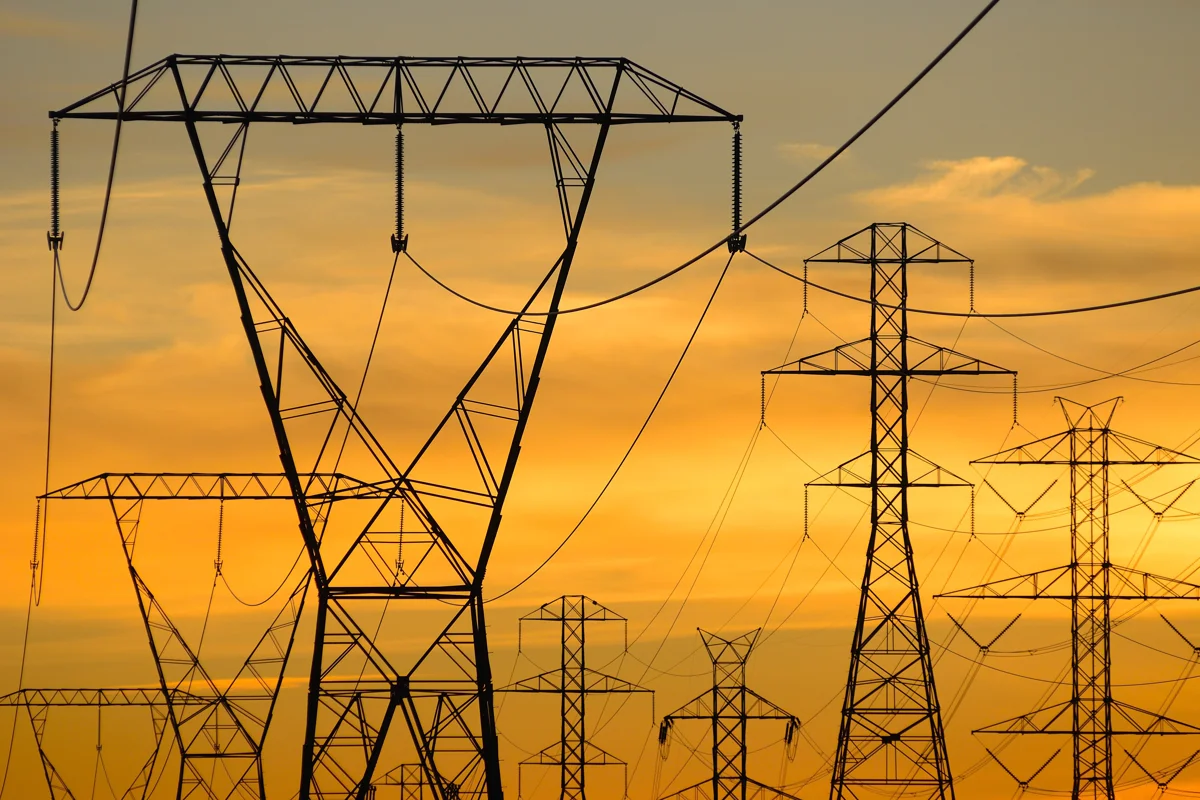
Stock image for referential purposes only
The Central Electricity Authority (CEA) has set standard implementation timelines for Inter-State Transmission System (ISTS) projects to improve coordination between power generation and transmission infrastructure.
The National Committee on Transmission (NCT) approved the timelines during its 40th meeting held on April 15, 2026, covering transmission assets such as substations, transmission lines and High Voltage Direct Current (HVDC) systems. According to the CEA's office memorandum, the standard implementation timelines prescribed for ISTS assets range from 24 to 54 months, depending on the type and complexity of the project.
For greenfield projects, new 765 kV and 400 kV substations will have a standard implementation timeline of 36 months. Similarly, 765 kV double-circuit transmission lines longer than 100 kilometres will also be assigned a timeline of 36 months.
HVDC systems, which are increasingly being used to transfer electricity over long distances and support the integration of renewable energy, will have implementation timelines ranging from 48 to 54 months.
The CEA said these timelines should be taken into account by generation developers, transmission developers, distribution companies (DISCOMs) and bulk power consumers while planning generation schedules, financial closure, equipment procurement and other project milestones.
The move is expected to improve alignment between renewable energy projects and the transmission infrastructure required to evacuate power from solar, wind, hybrid and energy storage projects.
Delays caused by mismatches between renewable energy project commissioning and transmission readiness have been a concern for industry stakeholders. The CEA aims to make transmission planning more predictable, and support coordinated development of the national power grid as renewable energy capacity expands.
For forward-thinking aluminium market insights amidst supply chain and price challenges, read "ALuminium LeaderSpeak 2026"
The memorandum also provides flexibility for projects in challenging regions such as the North Eastern states, Sikkim, Jammu & Kashmir, Ladakh and Himachal Pradesh. In these areas, implementation timelines may be extended by six to twelve months depending on project-specific requirements and local conditions.
Where a transmission scheme comprises multiple components, the overall implementation timeline will be based on the longest qualifying timeline among the individual assets. However, the CEA said compressed schedules may be approved in exceptional cases if project requirements justify a shorter execution period.

UK and Japan announce $24B investment deal focused on infrastructure and clean energy
Next articleUSA Rare Earth gains after Colorado processing facility begins operations
Grow with
AL Circle