AlCircle.com
India's Environment Ministry releases new rules for waste disposal and metal recycling
Edited by : AL CIRCLE
2 min read

Minister of State (Independent Charge) of Environment, Forest and Climate Change, India, Prakash Javadekar on April 3, released the Hazardous Waste Rules 2016 to distinguish hazardous waste from other wastes.
Speaking on the occasion, Javadekar said, "The new rules will ensure resource recovery and disposal of hazardous waste in environmentally sound manner. The rules are environment and industry- friendly." "The provisions of the new rules are in line with this Government's priority for Ease of Doing Business and Make in India, but with responsible concerns for sustainable development," added Javadekar.
The Hazardous and Other Wastes (Management and Transboundary Movement) Rules 2016 includes other waste as well; waste management hierarchy in the sequence of priority of prevention, minimisation, reuse, recycling, recovery, co-processing; and safe disposal.
Under the rule all forms for permission, import/export, filing of annual returns, transportation, etc. have been revised significantly, indicating the stringent approach for management of such hazardous and other wastes with simultaneous simplification of procedure.
Hazardous waste, by definition, means any waste, which by reason of characteristics, such as physical, chemical, biological, reactive, toxic, flammable, explosive or corrosive, causes danger to health, or environment. It comprises the waste generated during the manufacturing processes of the commercial products such as industries involved in petroleum refining, production of pharmaceuticals, petroleum, paint, aluminium, electronic products etc.
Procedure has been simplified to merge all the approvals as a single window clearance for setting up of hazardous waste disposal facility and import of other wastes. The approval process for co-processing of hazardous waste to recover energy has been streamlined and put on emission norms basis rather than on trial basis.
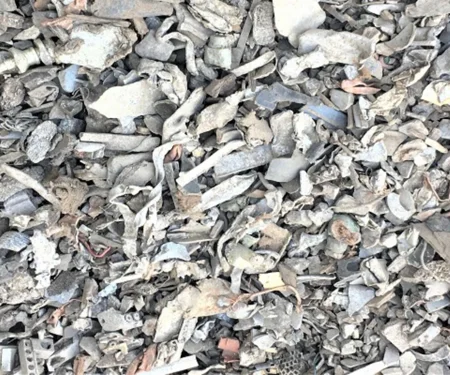
The import of metal scrap, paper waste and various categories of electrical and electronic equipments for re-use purpose have been exempted from the need of obtaining the ministry's permission.
As per the information furnished by CPCB in the year 2015, a total hazardous waste generation in the country is 7.46 million metric tonnes per annum from about 44,000 industries.
Speaking on the occasion, Javadekar said, "The new rules will ensure resource recovery and disposal of hazardous waste in environmentally sound manner. The rules are environment and industry- friendly." "The provisions of the new rules are in line with this Government's priority for Ease of Doing Business and Make in India, but with responsible concerns for sustainable development," added Javadekar.
The Hazardous and Other Wastes (Management and Transboundary Movement) Rules 2016 includes other waste as well; waste management hierarchy in the sequence of priority of prevention, minimisation, reuse, recycling, recovery, co-processing; and safe disposal.
Under the rule all forms for permission, import/export, filing of annual returns, transportation, etc. have been revised significantly, indicating the stringent approach for management of such hazardous and other wastes with simultaneous simplification of procedure.
Hazardous waste, by definition, means any waste, which by reason of characteristics, such as physical, chemical, biological, reactive, toxic, flammable, explosive or corrosive, causes danger to health, or environment. It comprises the waste generated during the manufacturing processes of the commercial products such as industries involved in petroleum refining, production of pharmaceuticals, petroleum, paint, aluminium, electronic products etc.
Procedure has been simplified to merge all the approvals as a single window clearance for setting up of hazardous waste disposal facility and import of other wastes. The approval process for co-processing of hazardous waste to recover energy has been streamlined and put on emission norms basis rather than on trial basis.
The import of metal scrap, paper waste and various categories of electrical and electronic equipments for re-use purpose have been exempted from the need of obtaining the ministry's permission.
As per the information furnished by CPCB in the year 2015, a total hazardous waste generation in the country is 7.46 million metric tonnes per annum from about 44,000 industries.
Unlock full access – sign up for FREE.
Key benefits
Find exclusive data-driven insights and in-depth analysis
Get our daily newsletter delivered straight to your inbox
Access real-time and historical price trends from global indices
Post and respond to latest business leads
Stay ahead with alerts on learning tools
...and so much more!SIGN UP / LOGIN
Tagged with:India
Previous article
India's promising new start-up focuses on waste recycling including aluminium cans
Next articleBIR updates on non-ferrous scrap markets and aluminium recycling in major geographies
Grow with
AL Circle