India & 2050 aluminium prospect: demand is certain, India’s advantage isn’t
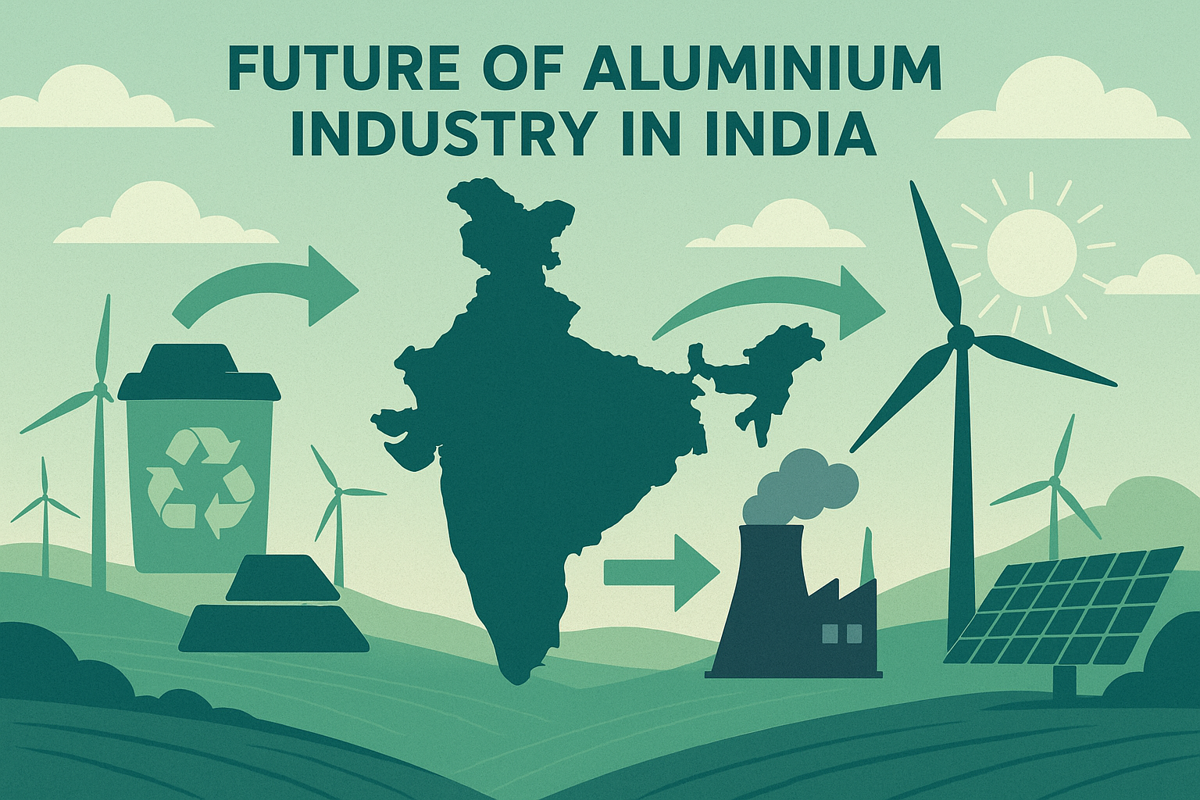
By mid-century, aluminium is set to become one of the defining industrial commodities of the energy transition. Long-range modelling (like Marshall’s Equilibrium Model) points in the same direction, i.e., global aluminium demand could grow by around 80 per cent by 2050 compared with 2020. According to World Economic Forum reports, within that aggregate picture, one recent macro-model of primary aluminium fundamentals suggests that demand for primary metal alone could approach 110 million tonnes by 2050, even as a rising share of total use is met by recycled metal.
Explore- Most accurate data to drive business decisions with 50+ reports across the value chain
Those projections are not abstract for India. The country is already the world’s second-largest producer of primary aluminium, accounting for roughly 6 per cent of global output in 2023, and has seen production more than double over the past two decades from about 1.7 million tonnes in 2003 to just over 4.1 million tonnes in 2023. However, the same period has also seen a sharp rise in imports of metal and scrap, suggesting that India is sliding into the 2050 supercycle, with both opportunities and vulnerabilities built into its aluminium system.
Unlock full access – sign up for FREE.
Key benefits
KNAC and Rio Tinto finalise native title agreement to develop sustainable mining culture
Next articleNovelis secures German Ecodesign Award with a breakthrough 100% recycled aluminium automotive sheet
Grow with
AL Circle