Inalum flags oversupply risks, urges Indonesia to halt aluminium expansion ventures

Inalum, the state miner of Indonesia, has urged the government to halt approvals for any upcoming projects of alumina refineries and aluminium smelters, citing the condition of the existing project pipeline as the cause, which risks oversupplying the market and putting pressure on prices.
Explore- Most accurate data to drive business decisions with Global ALuminium Industry Outlook 2026 across the value chain
Cause and effect of pipeline projects
According to Inalum, rapid capacity expansion and excess supply could later lead to a squeeze price scenario. At present, Indonesia’s alumina output capacity stands at 9 million annually and primary aluminium at 1.13 million tonnes per year.
By approving the pipeline initiatives, the alumina capacity would climb to 29.8 million tonnes while primary aluminium output would soar to 14.9 million tonnes.
To keep the total of expanded facilities running up to their nameplate capacities would require approximately 94 million tonnes of bauxite per year, more than doubling the current raw material feedstock amounting to 36 million tonnes for the existing refineries.
Moreover, the operations timeline remains a major source of concern and risk. Inalum has pointed out that ramping up the capacities would exhaust the country’s bauxite reserves in about 10 years, falling short of feeding the long-life assets built for 30-year spans. Consequently, Indonesia would be compelled to resort to imports and bear the cost inflation.
Don't miss out- Buyers are looking for your products on our B2B platform
Bigger picture of the markets
If traders anticipate a surge of future output, alumina and aluminium prices may struggle to rise, despite a stronger demand. Inalum’s projections depict a significant jump in potential supply.
As capital increasingly shifts toward aluminium, any modification in permitting policy could majorly affect miners, refiners and downstream industries.
Indonesia’s restrictions on raw ore exports are designed to boost domestic processing and retain value within the country. However, this move also puts greater pressure on local reserves. Again, the premature exhaustion of raw materials and import reliance come into the picture.
The broader takeaway remains this – supply chain strategies are most effective when resource availability, regulatory frameworks, and environmental considerations align with and complement each other and evolve in tandem.
Must read: Key industry individuals share their thoughts on the trending topics

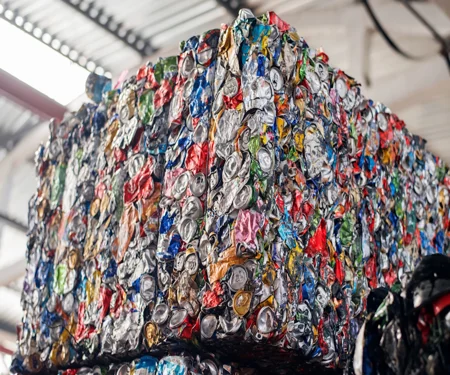
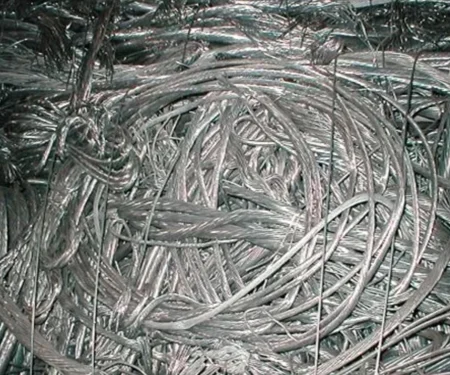
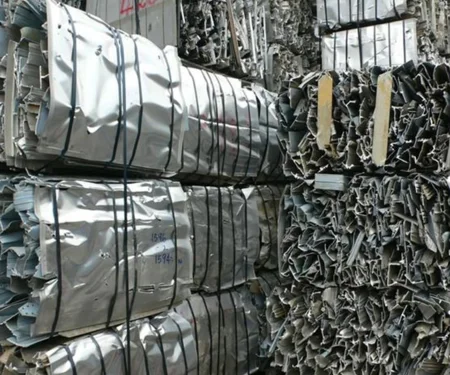
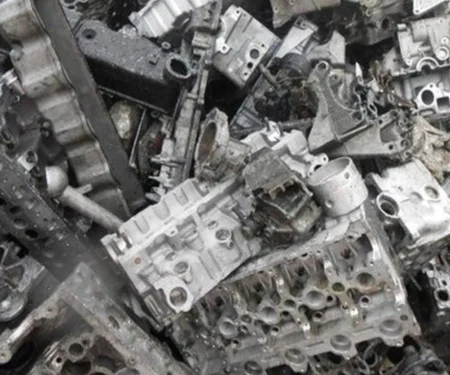
Image for referential purposes only
Impact Minerals raises $1.37M to advance HPA and fertiliser opportunities in Australia
Next articleDucon sees a strong upswing in alumina handling projects as global demand accelerates
Grow with
AL Circle