In the race against time, China strengthens energy intensity goals
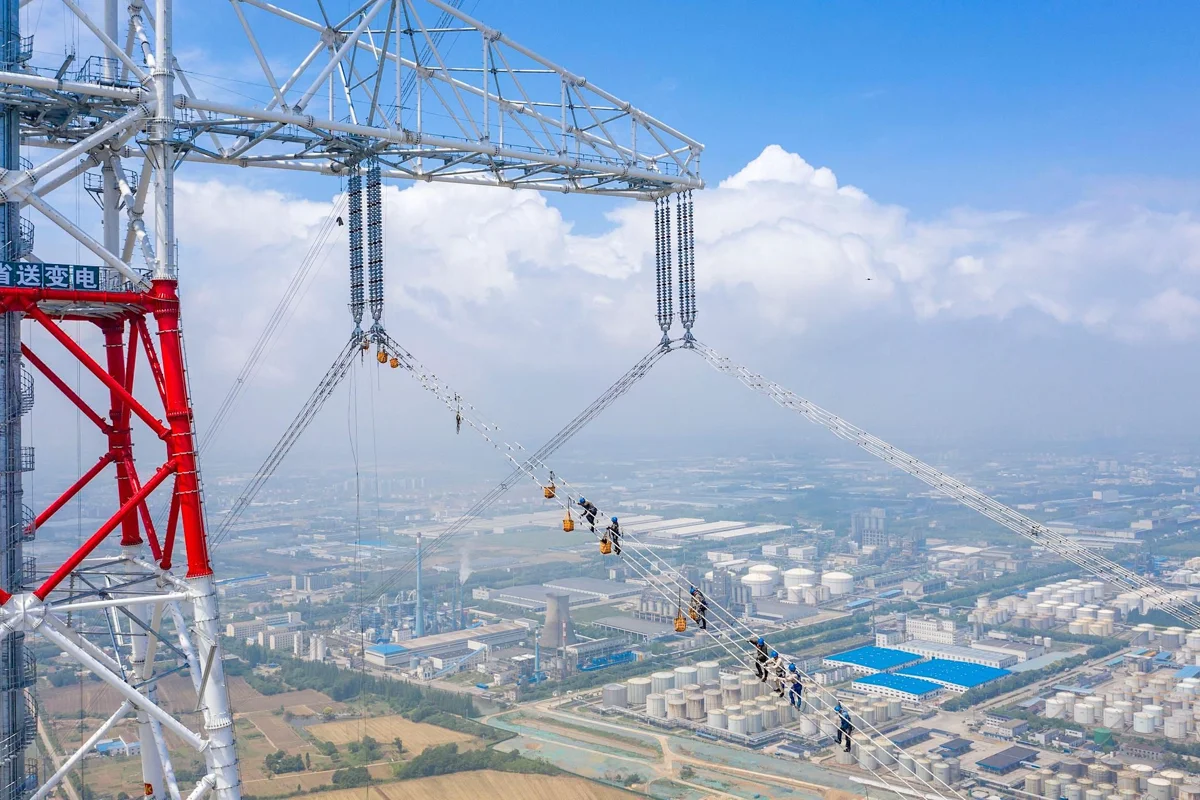
On March 8, 2024, China announced that it had established stricter energy intensity targets for 2024, following its failure to meet last year's goal. As the world's largest energy consumer, China is intensifying efforts to align with its climate objectives within the five-year plan concluding in 2025. The National Development and Reform Commission (NDRC) disclosed that China aims to reduce its energy intensity, measured as the amount consumed per unit of economic growth, by 2.5 per cent in 2024. This target surpasses the previous year's goal of 2 per cent, which was not achieved, as outlined in a report unveiled at the commencement of the annual National People's Congress.
Last week, China disclosed that its energy intensity decreased by a mere 0.5 per cent in 2023, failing to meet the previous year's goal of reducing carbon emissions per unit of GDP. The nation, the largest carbon emitter globally, faces the perennial challenge of reconciling its emission reduction and energy conservation aspirations with the imperative to enhance economic growth and living standards.
In the report on March 5, NDRC stated, "Due to the rapid growth of industrial and civilian energy consumption, reductions in energy and carbon intensity ... fell short of expectations."
Last week, the National Bureau of Statistics reported that primary energy production reached 4.83 billion tonnes of standard coal the previous year, a 4.2 per cent increase compared to 2022.
Research conducted by two energy think tanks revealed that between 2020 and 2023, energy use per unit of economic growth decreased by 2 per cent. However, this still leaves China significantly behind its five-year plan target of a 13.5 per cent reduction for the 2021-2025.
To achieve its targets, China would need to reduce energy intensity by 6 per cent and carbon intensity by 7 per cent in both 2024 and 2025, according to an analysis by the Helsinki-based Centre for Research on Energy and Clean Air and the U.S.-based group Global Energy Monitor.
China is the world's largest producer and consumer of aluminium, and primary aluminium production is one of the leading energy-intensified sectors. According to AZ Global, the potential impact on China's aluminium industry may be insignificant, but it could prove somewhat bothersome. With less than 20 per cent of China's primary aluminium sourced from hydropower, the majority of the sector may face adjustments due to shifts in coal usage policies and regulations. Given China's history of bureaucratic complexities, navigating these changes could present significant challenges over the next two years. The anticipated push to meet targets might also result in unanticipated outcomes.
In its report, the NDRC pledged to intensify actions to reduce emissions and enhance energy efficiency this year. Additionally, it plans to improve its carbon pricing mechanisms and broaden the scope of its emissions trading scheme to encompass additional sectors beyond coal power, which it currently covers exclusively. Moreover, the government will establish a national research platform dedicated to clean energy and storage, aiming to bolster the nation's capabilities in the new energy vehicle sector and advance the development of hydrogen power.
The government has reaffirmed its commitment to advancing nuclear power in a robust, safe, and orderly manner, with plans to construct additional offshore reactor units where suitable conditions permit. Despite not meeting climate targets, it intends to maintain coal power's supportive role in the energy system. Furthermore, there are plans to enhance the development of advanced coal reserves and the establishment of strategic coal-to-liquids and coal-to-gas facilities.
Additionally, there is a renewed emphasis on boosting the exploration and production of oil, natural gas, and strategic minerals to bolster energy and resource security. The government also advocates for accelerating energy pricing reforms, particularly regarding refined petroleum product pipeline transportation.
LME aluminium benchmark price gains US$22.5/t to US$2,210 per tonne; SHFE price grows by US$18/t
Next articleChina’s A00 aluminium ingot price further builds up RMB110/t, marking 1.32% M-o-M growth
Grow with
AL Circle