Imported aluminium duty weighs heavily on Telangana fabricators
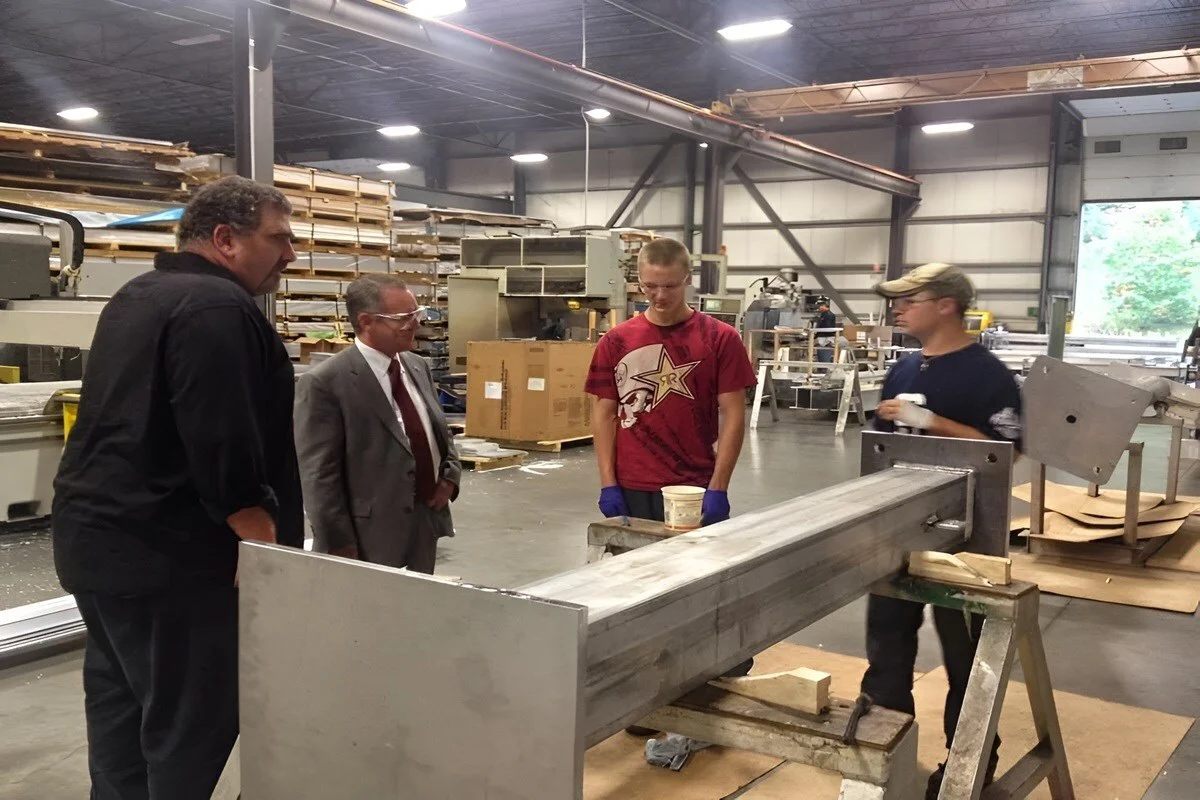
Telangana’s aluminium manufacturers are facing a pocket pinch following the continuous price rise of the primary metal. For many small and mid-sized units, particularly the ones in secondary production and fabrication, the price jumps have become difficult to absorb. The 7.5 per cent duty on imported raw aluminium has pushed landed prices higher, leaving MSMEs that rely on stable inputs struggling to stay competitive.
A state with a growing aluminium footprint
Over the past few years, Telangana has built up a sizable downstream aluminium base. The state is home to a mix of extrusion units, fabrication workshops and MSMEs producing a wide range of aluminium profiles and finished items. Companies such as Global Aluminium Pvt Ltd, which operates extrusion plants in the region, and Mahasai Aluminium Profiles in Hyderabad, known for precision work, form part of this cluster. Several local firms also manufacture doors, windows, partitions and other aluminium products. A proposal for an aluminium industrial park suggests the state is looking to attract even more downstream investment.
Explore- Most accurate data to drive business decisions with 50+ reports across the value chain
People familiar with the sector say that the importance of the industry goes far beyond production figures. It is tied to livelihoods, to local skills and to the stability of the regional manufacturing base. When raw materials become too expensive, the impact moves right through the chain from suppliers at the top to exporters at the end.
A policy study released by CUTS International in Hyderabad warns that the current cost pressures are choking India’s MSMEs in the secondary aluminium space and could set back the country’s broader manufacturing ambitions, including those linked to the Viksit Bharat 2047 plan.
Rising demand meets a policy roadblock
India’s appetite for aluminium is expected to climb from about 5.3 million tonnes today to 8.3 million tonnes by the end of the decade. MSMEs in the secondary segment are considered essential to meeting this demand because they rely heavily on primary metal and are deeply embedded in the domestic value chain.
The main concern highlighted in the report is what it describes as an “inverted duty distortion”. Raw aluminium attracts a 7.5 per cent duty when imported, whereas many finished aluminium goods enter the country duty-free under various trade agreements. As a result, local manufacturers end up paying more for their inputs than some foreign competitors pay to access the same market with finished products.
Lowering duties on primary metal is a solution
Navendu K Bharadwaj from the Aluminium Secondary Manufacturers Association (ASMA) said the issue has national implications. Lowering the duty on primary aluminium, he noted, would help downstream producers contribute more effectively to major development projects linked to the Viksit Bharat 2047 timeline. Aluminium components are now central to fast-growing sectors from construction and infrastructure to automobiles, EVs and electronics.
The CUTS International paper also points out that domestic aluminium prices remain higher than global levels because of the duty structure, making it harder for Indian manufacturers to compete, particularly in areas with strong demand for aluminium, such as renewable energy, EV production and large-scale construction.
A push for change
The study argues that adjusting the duty system is essential if India wants to strengthen its aluminium value chain. A correction, it says, would allow around 3500 MSMEs in the sector to improve their competitiveness, support employment in labour-dependent downstream operations and encourage more value addition within India instead of relying on imported finished goods.
Must read: Key industry individuals share their thoughts on the trending topics

Modern MIG tools are rationalising aluminium welding
Next articleLB Aluminium posts $5.34M net profit on strong segment gains, while revenue drops 9.33%
Grow with
AL Circle