IMF warns: Mozal aluminium smelter shutdown to threaten Mozambique’s economy
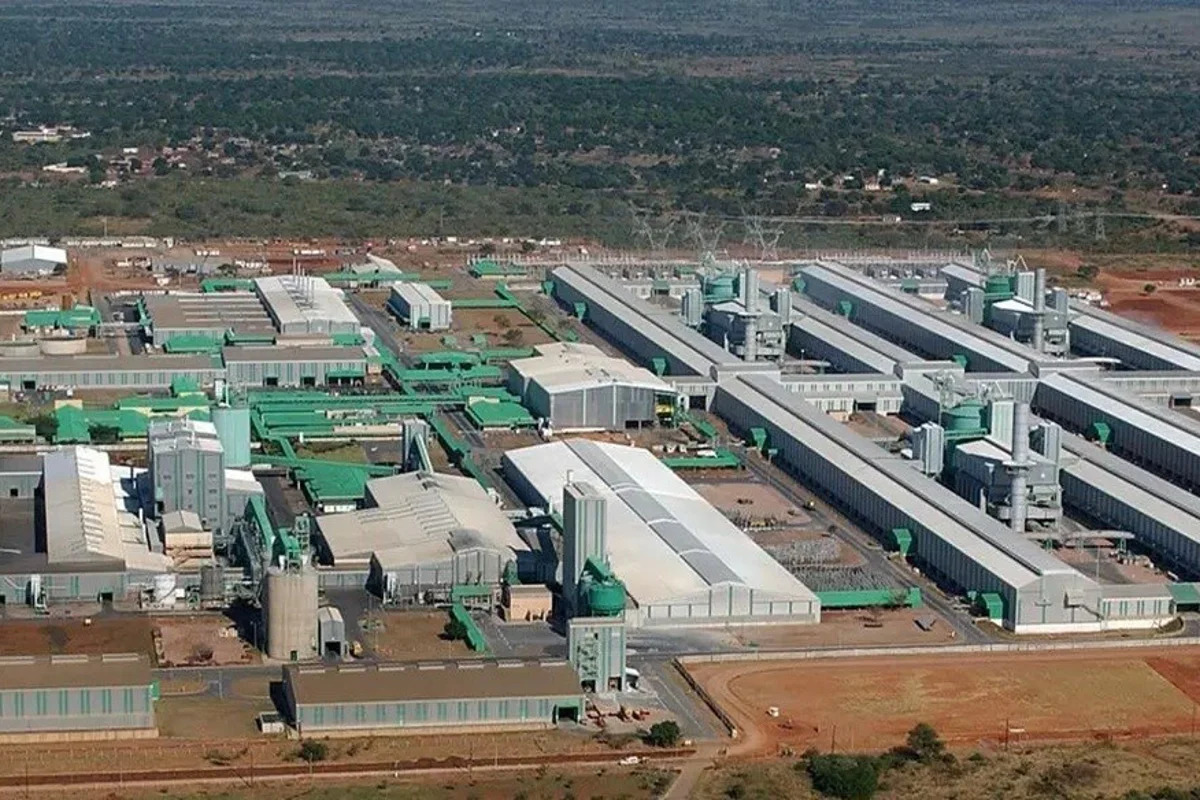
The International Monetary Fund (IMF) has warned that the shutdown of the Mozal aluminium smelter in Maputo province, Mozambique, poses major downside risks to the nation’s economy. Owned by Australia’s South32, Mozal is scheduled to move into a “care and maintenance” regime from mid-March after failing to secure a new electricity supply agreement for the aluminium smelter at competitive US tariffs.
In its latest assessment approved on February 13, the IMF mentioned, “Risks to Mozambique’s economic outlook are currently strongly negative, with the suspension of Mozal — which represents 4 per cent of Gross Domestic Product (GDP) — as an example.”
Explore- Most accurate data to drive business decisions with Global ALuminium Industry Outlook 2026 across the value chain
Electricity supply deadlock triggers operational halt
In 2025, South32 confirmed the suspension of operations at the Mozal aluminium smelter, owing to energy constraints.
As per CEO Graham Kerr, “It will move into care and maintenance due to the inability to secure sufficient and affordable electricity supply. We are working closely with our employees and partners during this transition.”
The executive noted that in 2025, South32 recorded a USD 372 million impairment after failing to secure an affordable power deal. This is partly due to the drought that hindered Mozambique’s hydropower generation. Moreover, negotiations with South Africa’s Eskom as a backup supplier also did not meet suitable rates and therefore were not fruitful.
“A new electricity supply agreement was not guaranteed and, therefore, Mozal will be placed into care and maintenance around March 15, 2026,” the company stated, adding that “the raw materials required to sustain operations beyond March 2026 have not been procured.”
Employment and economic implications
Apart from the stoppage in supply to the European aluminium industry, Mozal majorly impacts the domestic landscape of Mozambique. Contributing to about 4 per cent of Mozambique’s GDP, Mozal accounts for one-third of jobs in the country’s manufacturing sector. South32 employs over 2,000 direct workers and outsources another 2,000.
According to Kerr, “The cost of maintenance, including contract terminations, is around USD 60 million, and ongoing annual care and maintenance costs will be about USD 5 million.” The Organisation of Mozambican Workers – Trade Union Central (OTM-CS) referred to the smelter suspension as an “earthquake” for the national economy.
Damião Simango, Secretary-General, OTM-CS, noted, “If this prediction materialises, we will be facing a kind of national earthquake, whose magnitude we will feel immediately, since this multinational contributes significantly to GDP, with approximately 4 per cent, being one of the largest industries in the country, boosting exports and generating thousands of direct and indirect jobs.”
Mozal has proposed collective layoffs under the suspension plan, offering compensation of “6 per cent of annual salary for each year of service for those earning above seven sector minimum wages, and 40 days of salary per year of service for the remaining workers.”
Don't miss out- Buyers are looking for your products on our B2B platform
Mozambique faces broader risks
Apart from Mozal, the IMF highlighted additional external risks, including “pandemics, natural disasters, regional conflicts, reductions in external aid, and commodity price volatility.”
Domestic risks include “increased insecurity in Cabo Delgado, which could delay liquefied natural gas (LNG) projects, foreign currency shortages, and weak performance in the non-mining sector.”
The statement continued to mention additional risks, such as the “Ongoing negotiations over electricity tariffs” with the aluminium smelter. “Positive risks include LNG production coming earlier than expected in Eni’s Coral Norte project,” it added. It further cautioned that “fiscal vulnerabilities could intensify due to spending pressures and losses by state-owned enterprises.”
Government reaffirms commitment to Mozal
The Mozambique Government has emphasised its commitment to keeping the smelter operational.
Addressing the issue at a mining and energy conference in Cape Town, Estêvão Pale, Minister of Mineral Resources and Energy, observed, “We are doing everything required for Mozal to continue operating.”
Council of Ministers spokesperson Inocêncio Impissa confirmed that technical teams are engaged in negotiations. “There is a team doing its work with Mozal and the entities involved to ensure that the company’s future is not harmful to any of the parties,” he stated, adding that outcomes will be formally announced once concluded.
The Mozal aluminium smelter shutdown throws light on the structural shortcomings of energy-intensive industries in markets that depend on constrained power supply, while highlighting broader fiscal and external pressures facing Mozambique’s economy.
Image source: https://www.south32.net/
Must read: Key industry individuals share their thoughts on the trending topics

Austrian aluminium maker AMAG receives €75 million EIB loan for cutting-edge research and development
Next articlePost-holiday aluminium prices rebound, alloy enterprises still feel lingering effects of Chinese New Year
Grow with
AL Circle