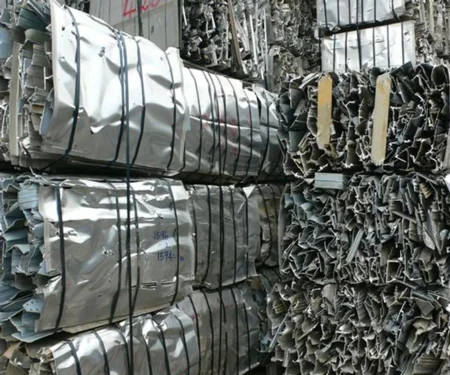
Hydro and Parsons Healthy Materials Lab partner on low-carbon aluminium research for buildings
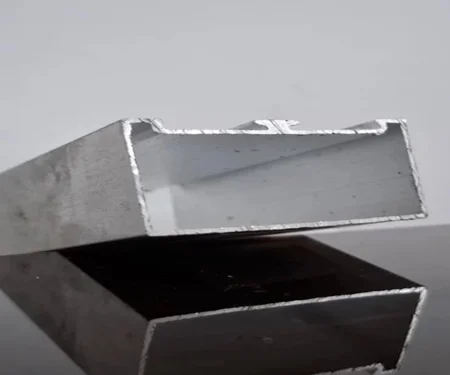
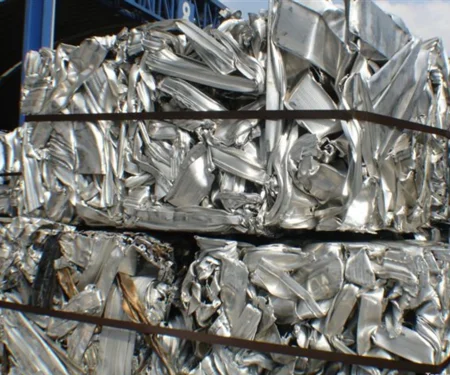
Stock image for referential purposes only
Hydro has partnered with Parsons Healthy Materials Lab to examine how recycled and low-carbon aluminium can support more sustainable building and construction practices.
The collaboration will explore how advances in recycling technology and renewable energy-powered aluminium production are reshaping aluminium’s role in the built environment and influencing material choices across the construction sector.
Aluminium has traditionally been viewed as a carbon-intensive construction material because of emissions linked to primary production. However, increasing use of recycled aluminium and cleaner energy sources is helping lower the material’s carbon footprint significantly.
According to Hydro, recycled aluminium is increasingly being recognised as a lower-emission option for energy-efficient and low-carbon buildings.
Explore: The most comprehensive and forward-looking industry-focused report – World Recycled ALuminium Market Analysis Industry forecast to 2032
Duncan Pitchford said architects and designers play an important role in influencing the shift toward lower-carbon materials and more sustainable construction practices.
The partnership includes two main initiatives. The first is an aluminium-focused research study examining low-carbon aluminium solutions, their limitations, and the implications for material specification and use in construction.
The findings are expected to be published later in 2026 and converted into educational resources for architects, builders, designers and manufacturers through the Healthy Materials Lab platform and network. Hydro said the research aims to make technical topics related to aluminium production, recycling and sustainability more accessible to construction professionals.
The second initiative involved a Masterclass on recycled aluminium held on April 28 at the Royal Norwegian Consulate General in New York. The session brought together participants from architecture, sustainability, academia and industry to discuss how recycled aluminium compares with primary aluminium production and how material choices influence emissions across construction supply chains.
Jonsara Ruth said the collaboration is intended to expand research and educational guidance surrounding the use of recycled and low-carbon aluminium in buildings.
The partnership and its early findings are also being presented at the 2026 International Contemporary Furniture Fair in New York, where Hydro is showcasing projects linked to circular materials and low-carbon design.
Hydro added that selected projects first presented during Milan Design Week are also being displayed, highlighting applications made from post-consumer recycled aluminium sourced and processed through shorter supply chains.
Don't miss out- Buyers are looking for your products on our B2B platform

Middle East conflict jolts aluminium supply chain, raising risks for Asia’s green shift
Next articleASI certifies Ciclo Fapril – Indústrias Metalúrgicas, S.A. against Performance Standard V3.1
Grow with
AL Circle