Fm.co.za
Hulamin - Rand slump a relief
Edited by : AL CIRCLE
3 min read
Hulamin shareholders will have greeted the rand’s slump against the US dollar with relief. Though it began too late to benefit results in the six months to June, a weaker rand could provide a long- overdue boost to its second-half results.
Rand strength has until recently marred an otherwise strong growth story from Hulamin, which is enjoying rising volumes as it phases in capacity created by a R1bn expansion completed in 2009.
Hulamin is heavily dependent on the exchange rate. It exports 75% of its production at a fairly stable margin between the cost of aluminium and product selling prices, termed the US dollar rolling margin/ton. Selling prices in SA are also closely dollar-linked.
As a guide, every 10c move in the rand against the dollar results in a change in annual headline profit of about R22m, or almost 7c/share. Since June 2011 the rand has weakened by about R1,65 (20%) against the dollar and averaged about 70c weaker than in the first half. Headline EPS in the first half of 2011 came in at 14c/share, excluding the benefit of an insurance settlement.
Hulamin’s volume growth continues. Sales of its key rolled aluminium products are expected to lift from an annualised 208000t in the first half of 2012 to maximum capacity of 250000t by 2014. Because fixed costs are high, rising production brings big economies of scale. In the first half of 2011 alone, annualised savings of R204m were achieved, says CEO Richard Jacobs. The company estimates that costs will fall by $150/t between 2011 and 2014.
Hulamin’s intrinsic value will rise markedly as it nears maximum capacity, says Mark Ingham, a director at Ingham Analytics. “At about R7,50/$ Hulamin is likely to be worth at least R12/share and potentially R15-R20/share,” he says. The share is currently trading at around R8 .
Though Jacobs is not at liberty to discuss the subject, Hulamin’s extra capacity could be taken up earlier than expected should SA Breweries’ mooted switch from steel-based to aluminium beer and soft-drink cans go ahead.
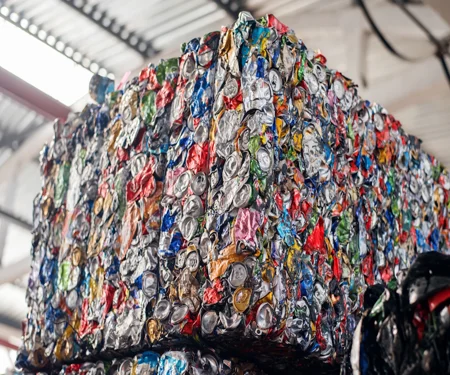
SA’s 2,5bn/year beverage can market now absorbs about 10000t of aluminium from Hulamin to manufacture can tops, says Ingham. Though it would take a few years to phase in aluminium cans, the extra demand would absorb most of Hulamin’s spare capacity, he adds.
Benefits to Hulamin would be considerable, says Dirk Kotze, a fund manager at Coronation Asset Management. “It could enable Hulamin to channel perhaps a quarter of its output from a wide range of products into a single product,” says Kotze. Even if the value/ton were lower, there would be efficiency and profitability gains, he adds.
Beyond the danger of the rand moving back to a strengthening trend, another cloud hangs over Hulamin: a possibility that BHP Billiton will close its Bayside aluminium smelter, supplier of a third of Hulamin’s aluminium slab needs. The present contract with BHP Billiton runs to December 2012.
Kotze believes a deal will be struck to ensure Bayside remains open. A deal could involve the Industrial Development Corp — owner of 30% of Hulamin — Eskom and BEE partners. “Bayside is too strategically important to SA to allow it to close,” Kotze says.
Agreeing, Ingham says Hulamin is a good example of what SA needs: value- added export industries. “It’s in the national interest to ensure Bayside remains open,” he notes.
Hulamin is not a share for the faint- hearted. But for those who are bearish on the rand and prepared to endure bouts of high volatility, its recovery and growth potential make it a spec worth strong consideration.
Rand strength has until recently marred an otherwise strong growth story from Hulamin, which is enjoying rising volumes as it phases in capacity created by a R1bn expansion completed in 2009.
Hulamin is heavily dependent on the exchange rate. It exports 75% of its production at a fairly stable margin between the cost of aluminium and product selling prices, termed the US dollar rolling margin/ton. Selling prices in SA are also closely dollar-linked.
As a guide, every 10c move in the rand against the dollar results in a change in annual headline profit of about R22m, or almost 7c/share. Since June 2011 the rand has weakened by about R1,65 (20%) against the dollar and averaged about 70c weaker than in the first half. Headline EPS in the first half of 2011 came in at 14c/share, excluding the benefit of an insurance settlement.
Hulamin’s volume growth continues. Sales of its key rolled aluminium products are expected to lift from an annualised 208000t in the first half of 2012 to maximum capacity of 250000t by 2014. Because fixed costs are high, rising production brings big economies of scale. In the first half of 2011 alone, annualised savings of R204m were achieved, says CEO Richard Jacobs. The company estimates that costs will fall by $150/t between 2011 and 2014.
Hulamin’s intrinsic value will rise markedly as it nears maximum capacity, says Mark Ingham, a director at Ingham Analytics. “At about R7,50/$ Hulamin is likely to be worth at least R12/share and potentially R15-R20/share,” he says. The share is currently trading at around R8 .
Though Jacobs is not at liberty to discuss the subject, Hulamin’s extra capacity could be taken up earlier than expected should SA Breweries’ mooted switch from steel-based to aluminium beer and soft-drink cans go ahead.
SA’s 2,5bn/year beverage can market now absorbs about 10000t of aluminium from Hulamin to manufacture can tops, says Ingham. Though it would take a few years to phase in aluminium cans, the extra demand would absorb most of Hulamin’s spare capacity, he adds.
Benefits to Hulamin would be considerable, says Dirk Kotze, a fund manager at Coronation Asset Management. “It could enable Hulamin to channel perhaps a quarter of its output from a wide range of products into a single product,” says Kotze. Even if the value/ton were lower, there would be efficiency and profitability gains, he adds.
Beyond the danger of the rand moving back to a strengthening trend, another cloud hangs over Hulamin: a possibility that BHP Billiton will close its Bayside aluminium smelter, supplier of a third of Hulamin’s aluminium slab needs. The present contract with BHP Billiton runs to December 2012.
Kotze believes a deal will be struck to ensure Bayside remains open. A deal could involve the Industrial Development Corp — owner of 30% of Hulamin — Eskom and BEE partners. “Bayside is too strategically important to SA to allow it to close,” Kotze says.
Agreeing, Ingham says Hulamin is a good example of what SA needs: value- added export industries. “It’s in the national interest to ensure Bayside remains open,” he notes.
Hulamin is not a share for the faint- hearted. But for those who are bearish on the rand and prepared to endure bouts of high volatility, its recovery and growth potential make it a spec worth strong consideration.
Previous article
East China Aluminum: Consumption Remains Weak with Prices under Pressure
Next articleEU Launches Anti-dumping Probe into Chinese Aluminum Foil
Grow with
AL Circle