Higher crude puts pressure on OMCs as upstream producers benefit from price gains
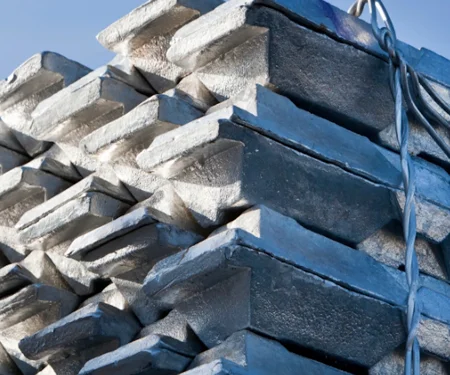
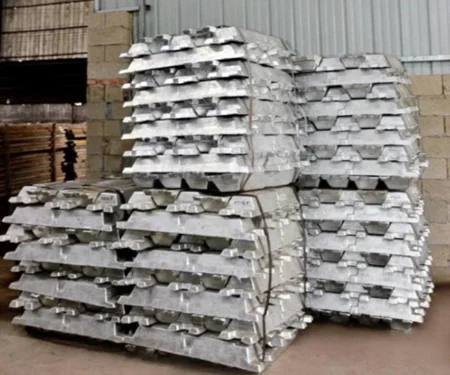
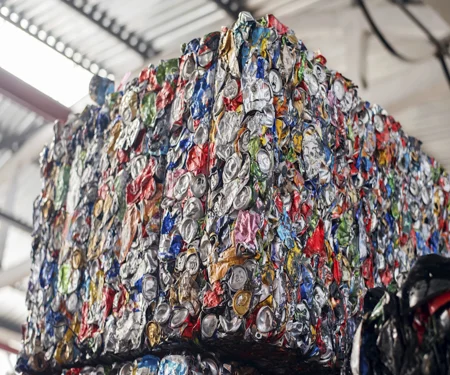
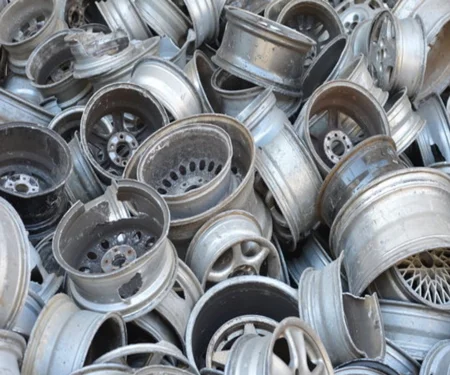
Stock image for referential purposes only
Rising geopolitical tensions in West Asia are continuing to support higher crude oil prices, while aluminium prices have climbed to four-year highs, creating different outlooks for India's oil and metals sectors.
According to Bharat Subramanian, Vice President of Equity Research at BofA Securities, tensions in West Asia remain the biggest factor influencing crude oil prices. He said a lasting ceasefire or truce could ease prices, but without one, the upward trend is likely to continue.
Pressure on oil marketing companies
Higher crude prices are creating challenges for India's oil marketing companies (OMCs). Rising oil costs are reducing petrol and diesel marketing margins, while losses on subsidised LPG sales have exceeded INR 650 (USD 6.79) per cylinder.
Although excise duty cuts announced in March 2026 and subsequent increases in auto-fuel prices have provided some relief, the depreciation of the Indian rupee is adding further pressure.
Subramanian said, "Higher crude prices and currency depreciation — these are the two key points to watch out for for oil marketing companies right now."
Analysts generally favour OMCs with a lower ratio of net marketing sales to refining throughput, as these companies may be better positioned to manage margin pressures during periods of high crude prices.
Explore: The most comprehensive and forward-looking industry-focused report “Gulf Disruptions Roadmap: Decoding Aluminium Market Volatility, Supply Risks & Trade Flow Shifts”
Upstream companies benefit from higher crude
In contrast, upstream oil and gas producers are expected to benefit from higher oil prices because stronger crude prices directly improve their revenue realisations.
Energy security is also becoming a major focus for India's upstream sector. The government is encouraging investment in deep-water and ultra-deep-water exploration, supported by amendments to the Oilfields (Regulation and Development) Act (ORD Act) introduced last year.
Analysts believe the regulatory changes could help attract international oil companies with deep-water expertise as well as domestic investors.
However, the sector still faces the possibility of a windfall tax if oil prices rise significantly. During the previous windfall tax regime, upstream realisations were effectively capped at around USD 75 per barrel. Analysts consider this a risk, although any decision would depend on government policy.
Aluminium outlook remains positive
Aluminium prices are currently at their highest level in four years. BofA’s global commodities team expects aluminium prices to remain strong and potentially peak around the second quarter of 2027.
The outlook is being supported by supply-side factors. China continues to maintain its 45 million-tonne aluminium smelting capacity cap, while new capacity additions in Indonesia are progressing more slowly than expected.
In addition, the conflict in the Middle East has disrupted production linked to roughly 9 per cent of global aluminium supply, further tightening the market.
For forward-thinking aluminium market insights amidst supply chain and price challenges, read "ALuminium LeaderSpeak 2026"
Non-ferrous metals preferred
Analysts currently favour non-ferrous metals over ferrous metals such as steel and iron ore.
The outlook for zinc remains neutral, while precious metals also continue to attract attention. BofA forecasts silver prices in the range of USD 75-80 per troy ounce.
China continues to be the most important factor for global commodity markets. The country accounts for more than 50 per cent of global commodity demand; any significant recovery in Chinese consumption could provide additional support for energy and metal prices.

Aluminium, tariffs and turbulence: Can Mexico’s aerospace keep its wings spread?
Next articleCanada plans to prolong steel and aluminium tariffs as CUSMA renewal talks advance
Grow with
AL Circle