Green energy to the rescue: Ust-Chorna keeps the lights on amid Ukraine’s energy crisis
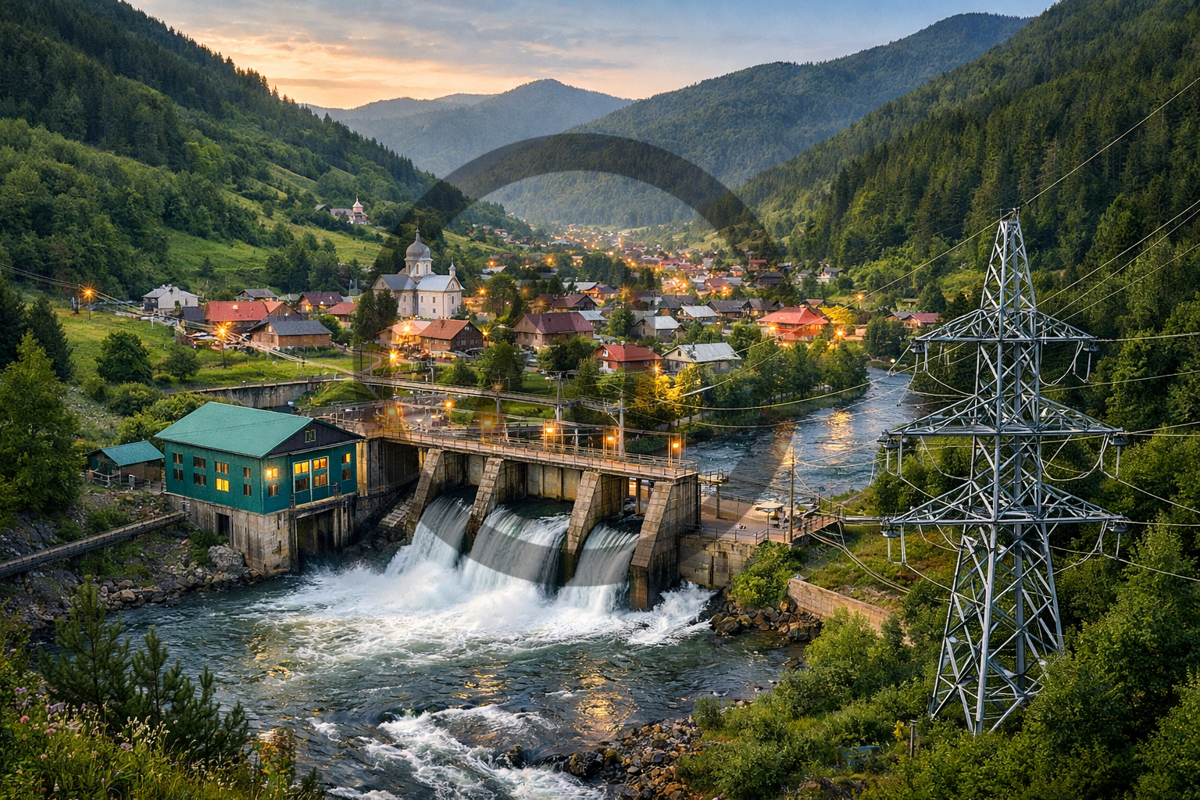
Although conflict with Russia has largely impacted most of Ukraine’s energy supply, Ust-Chorna, a district made up of four small villages in the western mountains has kept the lights on with the help of none other than the renewable energy.
Petro Kostyak, the head of Ust Chorna, said that other regions that rely on fossil fuels are still experiencing blackouts and might be envious of them.
One of the three hydro-electric power stations was built in 2014 by Rener, a Ukrainian renewable energy company. Government estimates suggest that the country’s electricity generation capacity is reduced to 33 per cent by Russian attacks, evidences are the frequent blackouts and weakened centralised power system. But Ukraine’s strategy shifted when it focused on green energy and decentralisation of power generation and supply. In 2020, green energy accounted for 9.2 per cent of the total energy consumption and by 2023 it had risen to 22 per cent.
For the global aluminium value-chain 2026 outlook, book our exclusive report “Global ALuminium Industry Outlook 2026"
The hydroelectric power plants have protected residents, however, also led to some concerns about electricity prices, the environment and the nation’s policy on green energy. In the fifth year of Russian attacks, the district’s local economy took a hit when a major forestry company working in the village moved its registration to Kyiv, flowing the tax towards the capital instead of supporting the local community.
Currently, the village experiences regular electricity flow, but the cost of it is still an issue for many residents. Some say they pay higher prices for the hydroelectric power. However, Kostyak said, “There are villagers who are severely disabled and bedridden for them, constant power is critical."
Each power plant in Ust-Chorna produces 1 megawatt of electricity per year, and is sold to the state, receiving only small taxes. With the Ukrainian government introducing new laws to support small and local green energy producers, there are plans to increase energy capacity to 24 Gigawatts by 2030. Government also tends to focus on improving security after large energy sites like Kakhovka Hydroelectric Power Plants were damaged duringthe war.
Also read: 97 tonnes in January: Sharp dip in Ukraine’s bauxite imports M-o-M amid geopolitical disruptions
Authorities in Kyiv are promoting decentralised energy systems. Small producers can now sell extra electricity at market prices or reduce future bills. The state also provides loans for renewable energy projects. Cities like Mykolaiv have installed solar panels and batteries to maintain essential services. Schools, hospitals, and businesses are also using solar energy during blackouts. Some individuals have built small windmills and watermills for personal use.
Under the new law, Ust-Chorna could receive 3 per cent of the profits from future green energy projects. A single wind turbine could earn about UAH 1.5 million (USD 35 thousand) per year, and a hydroelectric plant could earn about UAH 10 million (USD 230 thousand) annually.
Don't miss out- Buyers are looking for your products on our B2B platform
Kostyak’s renewable energy plans have faced criticism from some residents and environmental activists. They argue that hydroelectric projects may harm river ecosystems and increase flood risks. Plans to build a hydroelectric station in the nearby village of Kalyny were halted after strong public opposition.
But some villagers believe and see hydropower as a cleaner alternative to fossil fuels.
Another issue is whether hydroelectric projects will bring the expected financial benefits. In 2009, Ukraine introduced a “green tariff” to support renewable energy. It guaranteed high fixed prices for green electricity.
Must read: Key industry individuals share their thoughts on the trending topics
Many projects earned good profits, producing very little electricity. By 2019, renewable energy provided only 2 per cent of electricity but received 9 per cent of the revenue. The government struggled to pay producers on time, and some plants stopped working.
After 2022, as financial problems increased due to geopolitical tension, the government is now considering ending the green tariff, creating uncertainty for future green energy projects.

Renewable energy is changing the ecological scenario of this desert in China
Next articleOHISAMA: Japan’s 2026 satellite mission to transmit wireless solar energy from space
Grow with
AL Circle