Global leaders condemn US tariff escalations leading to a deepening trade rift
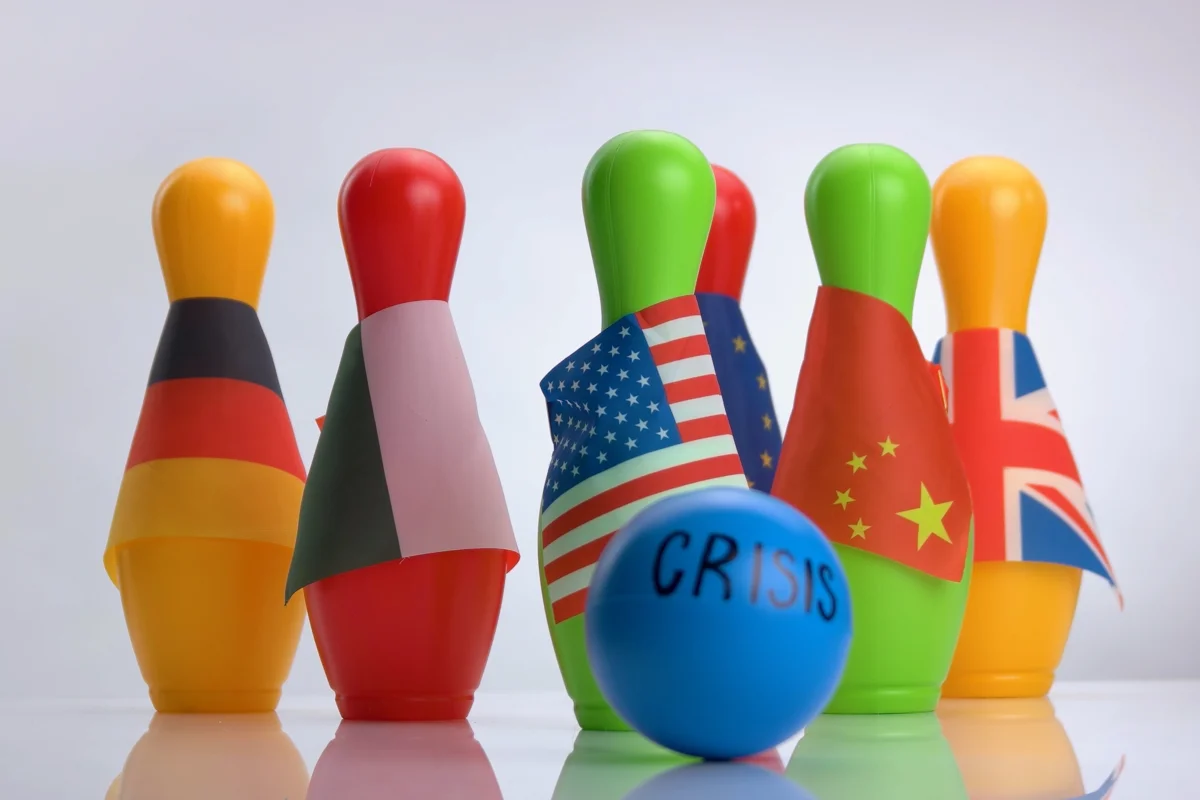
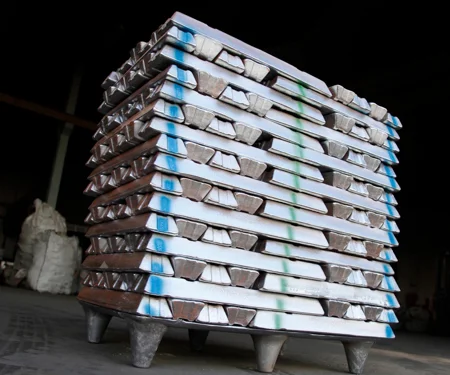
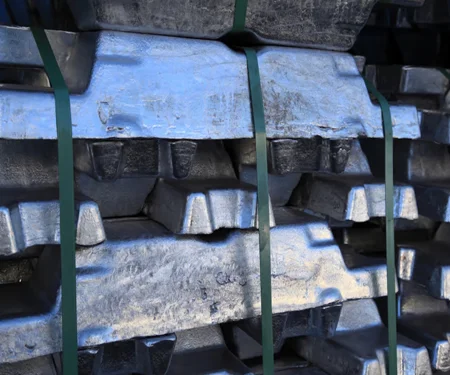
In a move that has sent shockwaves through the global economic community, US President Donald Trump has imposed sweeping tariffs, notably a 25 per cent levy on steel and aluminium imports. This aggressive stance has elicited a chorus of reactions from world leaders, each grappling with the implications for their respective economies and the broader international trade landscape.
Image for representational purposes only
Iran is not in agreement to bend or, fend or mend
“Won’t negotiate, do whatever the hell you want”, said the Iran President to Trump. “It is unacceptable for us that they (the US) give orders and make threats. I won’t even negotiate with you. Do whatever the hell you want”, state media quoted Masoud Pezeshkian as saying.
Iran’s Supreme Leader Ayatollah Ali Khamenei said on Saturday that Tehran would not be bullied into negotiations, a day after Donald Trump said he had sent a letter urging Iran to engage in talks on a new nuclear deal.
While expressing openness to a deal with Tehran, Donald Trump has reinstated the “maximum pressure” campaign he applied in his first term as president to isolate Iran from the global economy and drive its oil exports down towards zero.
The United Kingdom is seeking diplomatic solutions
The United Kingdom has opted for a measured approach, engaging in diplomatic efforts to mitigate the impact of the US tariffs. Trade Secretary Jonathan Reynolds has been dispatched to Washington to negotiate potential exemptions, particularly concerning the digital services tax that affects major tech corporations. The UK government is advocating for a comprehensive economic agreement that includes cooperation in the technology and artificial intelligence sectors.
Prime Minister Sir Keir Starmer has said the UK will “keep all options on the table” as US President Donald Trump’s tariffs on imports of steel and aluminium take effect.
Australia’s caution amid economic concerns
Australian officials have expressed deep concern over the US tariffs, highlighting the potential indirect effects on the global economy. Treasurer Jim Chalmers has criticised the tariffs as self-harming and detrimental, warning of broader economic repercussions. He emphasised that while direct impacts might seem minor, the indirect consequences could significantly harm Australia’s GDP, potentially reducing it by 0.1 per cent by 2030.
China strategically plans ahead
New government data released Monday showed signs of improvement in the first two months of the year, though housing market weakness remained a drag on growth.
Retail sales were up 4 per cent in January and February, corresponding to last year, more than projected. Industrial production increased 5.9 per cent, the National Bureau of Statistics notified. The stronger-than-anticipated data enabled buoy stock markets in Asia.
A bureau spokesperson said the economy is moving in the right direction but cautioned that challenges remain at home and abroad. Trump has imposed a 20 per cent tariff on Chinese derivatives, which could set back an economy with a high reliance on exports and late on Sunday, he reiterated his intention to push ahead with more tariffs in early April.
Mexico — navigating uncertainty
Mexican President Claudia Sheinbaum faces critical decisions in light of the US tariffs. Although a temporary exemption was secured for goods covered under the USMCA trade agreement, this reprieve is set to expire on April 2. Sheinbaum’s administration has yet to articulate a comprehensive strategy to mitigate the potential economic impact, reflecting the intricate balance required in US-Mexico trade relations.
Canada’s firm stand against tariffs
Canada has emerged as one of the most vocal opponents of the US tariffs. President Trump initially threatened high tariffs on Canadian exports but retreated following negotiations with Canadian leaders. This episode has brought forth Canada’s resilience and its commitment to defending its economic interests. ‘See you in four years’ is Canada’s common notion as the country flexes economic muscle as tariff negotiations continue.
German Chancellor Scholz slams ‘wrong’ tariff move
Olaf Scholz said Germany was “studying the suggestions of the European Commission” for retaliatory measures.
Chancellor Olaf Scholz condemned sweeping new US steel and aluminium tariffs on Wednesday and said Germany was “studying the suggestions of the European Commission” for retaliatory measures.
“We need a strong, resilient and innovative European economy to enable us to act together. We need fewer trade barriers, not more. That’s why I believe the US decision on tariffs is wrong. Europe will react quickly and appropriately,” he shared on social media platform ‘X’.
“I think the decisions on tariffs by the USA are wrong, and we will react to them appropriately and quickly,” Scholz said at a press conference in Berlin alongside European Council chief Antonio Costa.
India’s initial reaction
In its first reaction, New Delhi has hinted that it expects to amicably resolve the persisting issue.
During Prime Minister Narendra Modi’s visit to the US recently, both sides of the table agreed to negotiate a mutually beneficial, multi-sector Bilateral Trade Agreement (BTA), External Affairs Ministry spokesperson Randhir Jaiswal said.
“Our objective through the BTA is to strengthen and deepen India-US two-way trade across the goods and services sector, increase market access, reduce tariff and non-tariff barriers, and deepen supply chain integration between the two countries,” Jaiswal added.
European Union’s retaliation underway
The European Union has swiftly responded to the US tariffs by reinstating duties previously suspended during an earlier truce. EU officials have framed this action as “rebalancing” rather than outright retaliation, aiming to protect European industries from the adverse effects of US protectionism.
President of the European Commission, Ursula von der Leyen, said: “The trade relations between the European Union and the US are the biggest in the world. They have brought prosperity and security to millions of people, and trade has created millions of jobs on both sides of the Atlantic. As of this morning, the United States has been applying a 25 per cent tariff on imports of steel and aluminium. We deeply regret this measure. Tariffs are taxes. They are bad for business and even worse for consumers. These tariffs are disrupting supply chains. They bring uncertainty to the economy. Jobs are at stake. Prices will go up in Europe and in the United States. The European Union must act to protect consumers and businesses. The countermeasures we take today are strong but proportionate. As the US is applying tariffs worth 28 billion dollars, we are responding with countermeasures worth EUR 26 billion. This matches the economic scope of the US tariffs. Our countermeasures will be introduced in two steps. Starting with April 1 and fully in place as of April 13. In the meantime, we will always remain open to negotiation. We firmly believe that in a world fraught with geopolitical and economic uncertainties, it is not in our common interest to burden our economies with tariffs. We are ready to engage in meaningful dialogue. I have entrusted Trade Commissioner Maroš Šefčovič to resume his talks to explore better solutions with the US.”
Global economic implications
The US administration’s tariff policies have prompted a re-evaluation of international trade alliances and strategies. Nations are increasingly seeking to diversify their economic partnerships to mitigate the impact of US protectionism. This shift underscores a pivotal moment in global trade dynamics, with long-term consequences for economic growth and diplomatic relations.
As countries navigate this complex landscape, the emphasis on multilateral cooperation and adherence to established trade agreements remains paramount. The international community’s collective response will play a crucial role in shaping the future of global commerce in the face of protectionist policies.
Unlock full access – sign up for FREE.
Key benefits
Brussels may clamp down on aluminium imports in bid to stabilise sector
Next articleChinese aluminium firm gains EPS — stock pricings tell a different tale altogether
Grow with
AL Circle