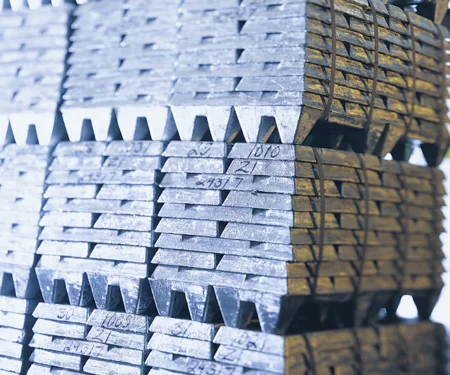
Global aluminium scrap tracker 2025: A 41.7Mt backbone under pressure as demand rises 3.87%
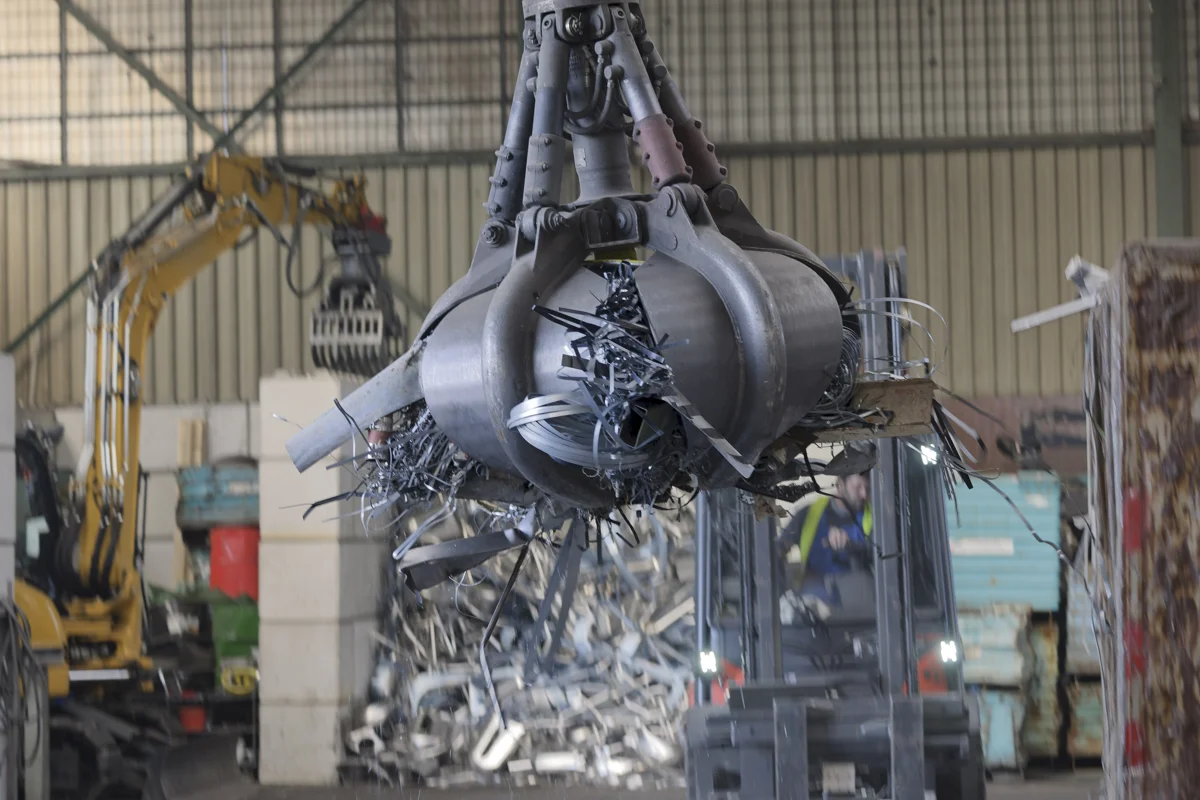
If 2024 was the year aluminium demand normalised, 2025 is the year scrap becomes the pressure valve. Global cumulative aluminium consumption reached 100.8 million tonnes in 2024, with 28.4 million tonnes supplied by recycled aluminium. That share, already above 28 per cent, is not a marginal contribution. It is a structural layer of the market. And it sits beneath a primary system that is tightening rather than expanding.
Primary aluminium production moved from 72.7 million tonnes in 2024 to 73.9 million tonnes in 2025, with a forecast of 75.3 million tonnes in 2026. On paper, that looks like growth. In reality, it is constrained growth. China is approaching its 45 million tonne capacity cap (whereas some speculate the primary production has exceeded 45 million tonnes in 2025 already), limiting further domestic expansion. Energy competition is intensifying, with over 800,000 tonnes of smelting capacity offline in Europe since the aftermath of the 2022 geopolitical and power crisis.
Meanwhile, according to AL Circle research, global aluminium markets are projected to remain in deficit in 2026, with a shortfall estimated between 180,000 and 510,000 tonnes, wherein the possibility of Mozambique closure plays a humongous role.
Unlock full access – sign up for FREE.
Key benefits
Aluminum Dynamics wins final permit for Benson recycling plant amid local opposition and environmental concerns
Next articleAlloy enterprises have not yet resumed work, and the market is mainly sluggish
Grow with
AL Circle