Global aluminium deficit may widen beyond 900Kt amid Hormuz shipping disruptions
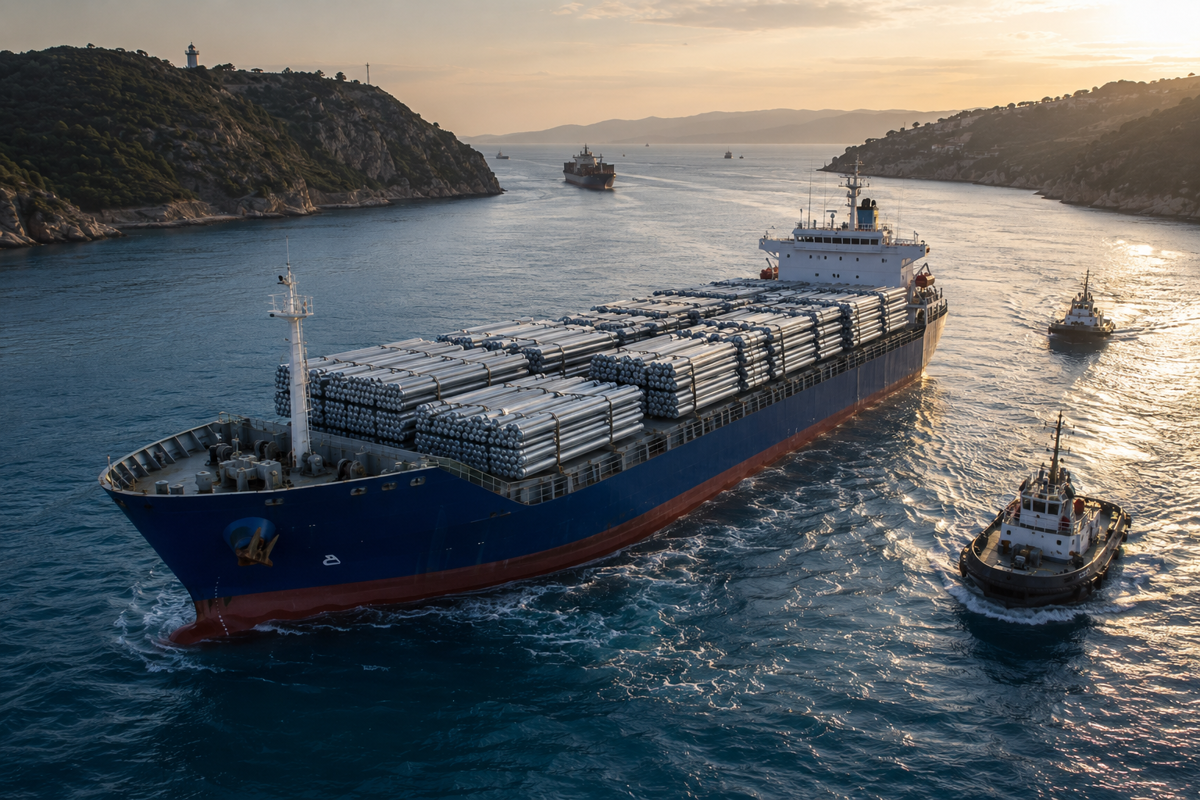
The images used in this article is generated with an AI tool and does not depict any real-time moment
Norsk Hydro has warned that the global aluminium market could face a deeper supply deficit if disruptions to shipping through the Strait of Hormuz continue, with prolonged constraints expected to tighten the availability of both raw materials and finished metal.
Hydro President and CEO Eivind Kallevik said logistics through the Strait of Hormuz have deteriorated since hostilities between the United States and Iran resumed, affecting inbound raw material supplies and aluminium exports from the Gulf region. The Middle East accounts for nearly 10 per cent of global aluminium production, making continued disruptions a significant risk to the market.
Hydro currently estimates the global aluminium market will record a 900,000-tonne deficit, but Kallevik said a prolonged conflict could widen the shortfall further. He said, “The more protracted the situation in the Gulf is, logically the tighter the market will be globally.”
He noted that aluminium producers in the Middle East have started using alternative shipping routes, while producers in other regions, including Norsk Hydro, are increasing output.
China and Indonesia have also added more aluminium supply than expected, helping ease some of the pressure on the global market. In Europe, manufacturers have been drawing down inventories since the tension began, preventing immediate shortages despite the disruption to Gulf shipments.
To know the long-term bauxite market forecast, book our report: “Global Bauxite & Alumina Market Forecast to 2036: Supply–Demand, Trade Flows & Price Outlook”
Kallevik said, “There was ample supply in many port inventories at the beginning of the year," as importers increased shipments ahead of the new carbon border levy on aluminium imports. He added that the key issue for the remainder of 2026 would be whether enough cargoes arrive to replenish those inventories.
Norsk Hydro's recycling operations produced around 225,000 tonnes of aluminium during the second quarter, up 15 per cent year on year. The company said tighter market conditions and stronger aluminium prices supported profitability, while adjusted earnings before items increased 15 per cent to NOK 8.92 billion (USD 927 million), exceeding analysts' expectations.
Aluminium prices on the London Metal Exchange have strengthened this month (up 0.7 per cent to USD 3180 per tonne) as tensions in the Middle East have intensified, recovering from the decline recorded in June when geopolitical concerns temporarily eased. Hydro's shares also gained 3.6 per cent in Oslo following the results.
US aluminium tariff changes signal lasting policy shift, ING says
Next articleSenior US officials to mark Century Aluminum's Mt. Holly expansion, boosting primary aluminium output by 10%
Grow with
AL Circle