German industrial production continues downward spiral, marking fifth consecutive monthly decline in September'23
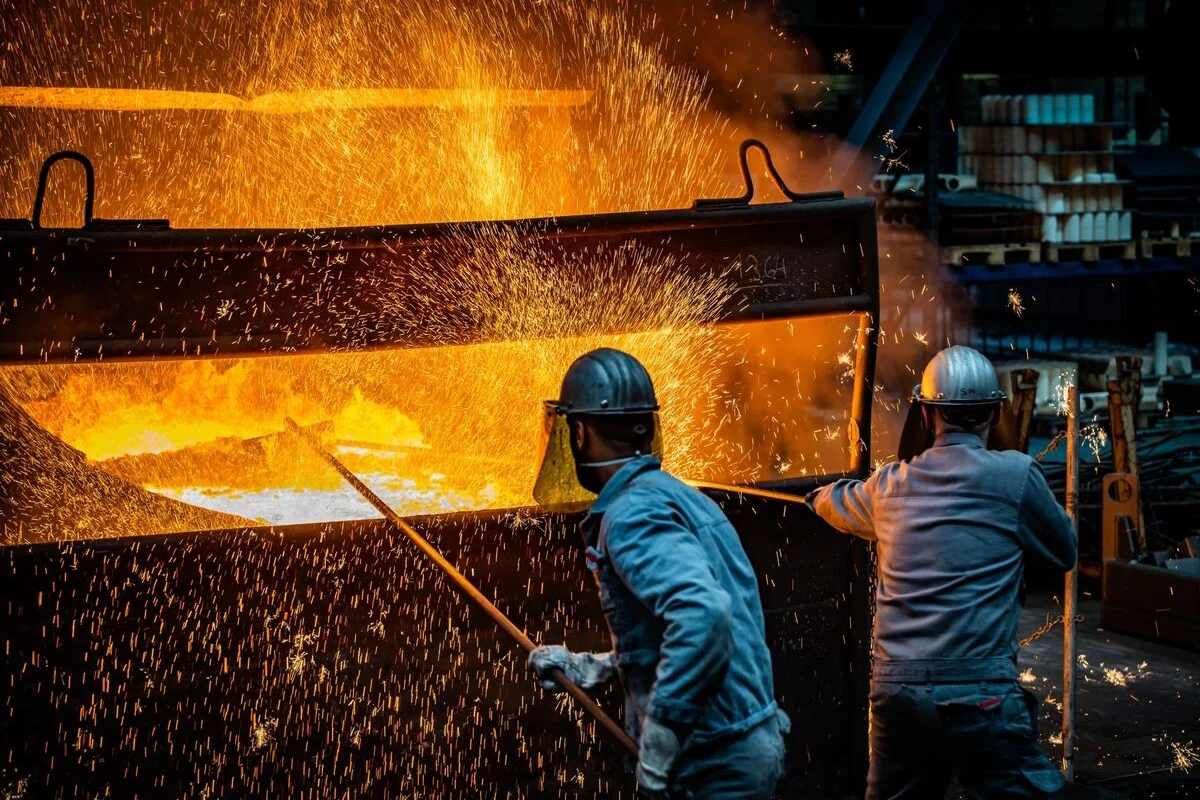
A disappointing data release not only hints at a potential downward revision of third-quarter GDP growth but also raises concerns that the industry-heavy German economy may enter a technical recession by the end of 2023.
Germany's ongoing macroeconomic struggles persist, raising doubts among the younger generation about the last time the country witnessed a sustained period of positive macroeconomic indicators. Unfortunately, September's latest industrial production data only adds to this worrisome trend. This marks the fifth consecutive month of decline, with a month-on-month drop of 1.4 per cent, in contrast to August's meagre -0.1 per cent. Year-on-year, industrial production has slumped by 3.7 per cent, affecting all major sectors of the economy.
On September 8, 2023, AL Circle reported that Germany witnessed a notable decrease in aluminium production during the third quarter of the year. In the smelters, the primary aluminium production volume dropped by nearly 50 per cent, and the manufacturing of semi-finished aluminium products saw a decline in the high single-digit percentage range.

The nation's industrial production remains over 7 per cent below its pre-pandemic level despite more than three years having passed since the onset of the Covid pandemic. Specifically, production in energy-intensive sectors has declined by more than 8 per cent compared to September of the previous year, as reported by ING Think.
The likelihood of ending the year in a technical recession remains quite significant. Looking forward, the leading economic indicators for October do not paint a favourable picture for future production. Despite a brief stabilization in September, production expectations and survey-based assessments of order books have once again weakened in October. While inventories have decreased somewhat, they remain at elevated levels. Furthermore, recent data on industrial orders for September confirmed a bleak economic outlook. German industrial production is likely to remain stagnant rather than gaining momentum in the near future.
Based on the latest data, industrial production would need to increase by a minimum of 2 per cent month-on-month in the upcoming months to steer production back into positive territory in the fourth quarter. While concrete data for the fourth quarter is not available yet, recent developments have significantly heightened the risk of the German economy ending the year in a recession.
LME aluminium benchmark price gains US$17.5/t to US$2,258.50/t; SHFE price dips by US$5/t
Next articleNALCO posts nearly 50% leap in profit for Q2 FY2024 amid lower revenue from operations
Grow with
AL Circle