German aluminium industry ends H1 2017 on a positive note
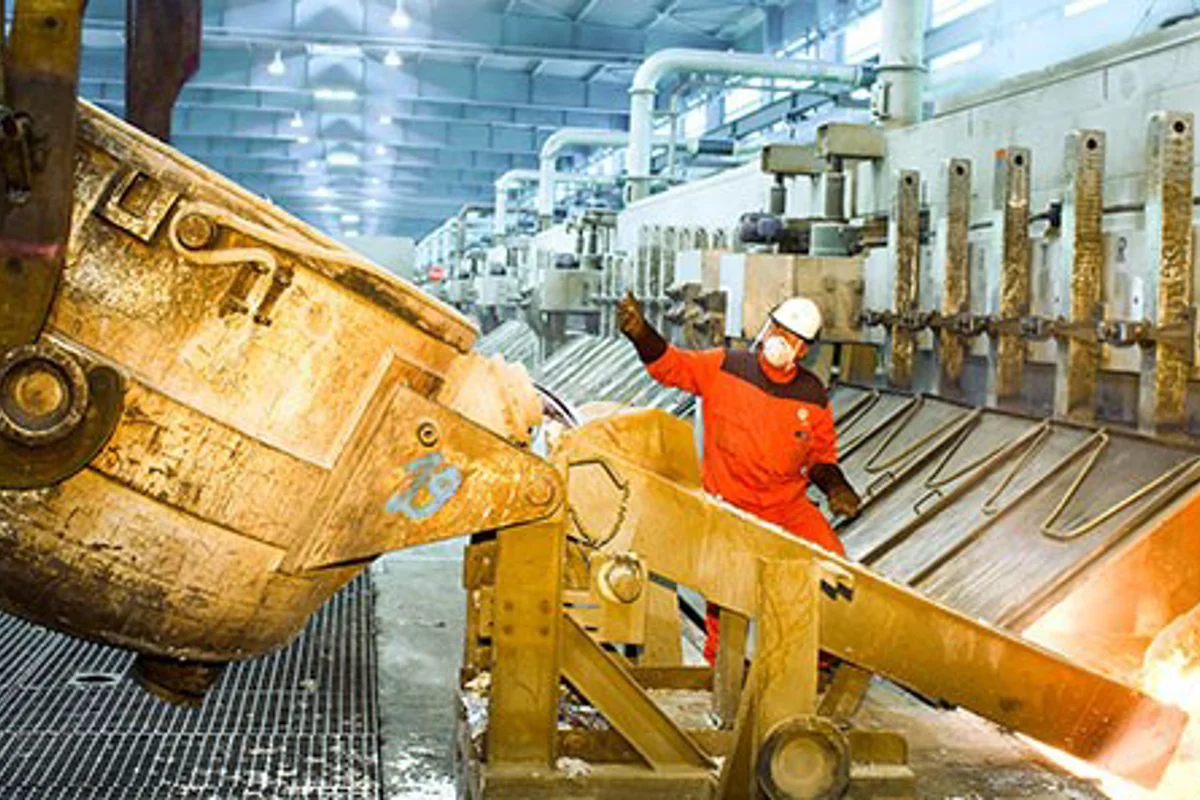
Despite political uncertainty, German aluminium industry grew satisfactorily in the first half of 2017, supported by overall growth of the economy. Aluminium producers and converters combined, the total production increased year-on-year. The volume excludes aluminium semis production which dropped marginally during the period under review.
As per the Joint German Occupational Safety and Health
Strategy (GDA) data, German aluminium sector produced around 660,900 tonnes of
aluminium during January-June 2017, up 5.7 per cent YoY. The figure comprises 273,100
tonnes of primary aluminium and 387,800 tonnes of recycled aluminium. While primary
aluminium production was up by 0.7 per cent, production of recycled aluminium was
higher by 9.6 per cent than the same period previous year.
Aluminium semis production, during the period, declined by
one per cent to 1,246,500 tonnes. Aluminium rolling mills with 934,900 tonnes
of total production (-1.9% YoY) accounted for the largest production share.
German aluminium extruders upped their production by 1.9 per cent YoY to 300,000 tonnes.

In the aluminium finished products segment, Germany’s
production of aluminium wire and conductors fell by 4.2 per cent to 11,300
tonnes. Production of aluminium foil and thin strip and metal powder, on the
other hand, rose 2.8 per cent and 1.9 per cent YoY respectively.
Germany’s production of aluminium tubes, aerosol cans and
beverage cans during H1 2017 was also significantly stronger, with a rise of
five per cent year-on-year.
Finally, total aluminium converter production stood at 177,100
tonnes during January to June 2017.
Dr Andreas Postler, head of Economics and Statistics at GDA
was upbeat about H2 2017.
“The underlying economic conditions for the German aluminium
industry at the moment are better than were expected at the beginning of the
year... We do not envisage an economic downturn in the second half of the year
and are therefore expecting an increase in production for the whole of 2017 in
almost all sectors of the German aluminium industry,” Postler said.
Russia's Rushydro may join hands with Rusal in its Siberian aluminium smelter project
Next articleYunnan Aluminum plans to acquire Qujing Aluminum to expand capacity
Grow with
AL Circle