Gas crisis in Europe impacts non-ferrous recyclers, primarily aluminium
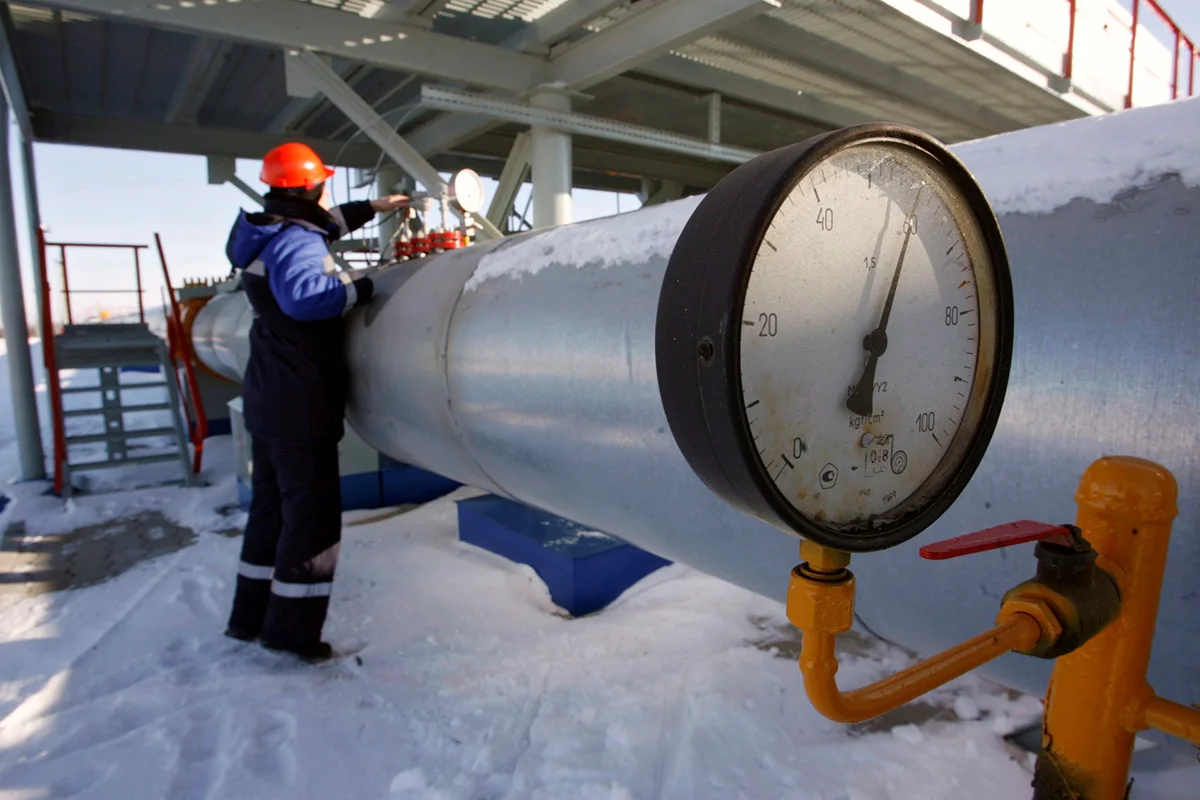
The gas supply restriction by Russia has propelled the energy prices to surge, resulting in the aluminium smelters slashing production, which are big customers for secondary non-ferrous metals.
The European metal sector is countering a massive challenge following the Ukraine-Russia geopolitical crisis. The continent's economy is now burdened by another issue, i.e. energy, besides the problems it has known for months, such as poor supply chains and the recent Covid pandemic.
Europe has shown little self-sufficiency regarding energy resources over the past few weeks. At least in the short and medium term, wind, solar, and water energy cannot meet the energy demand.
For too long, some European countries, notably Germany, have relied on Russian gas - this source is now drying up. As of this writing, the main pipeline between the two countries has been shut down. Supply difficulties in the coming months are both a concern for industry and the general public. The majority of energy sources require large amounts of gas, which is now presumably unavailable in sufficient quantities.

As a result of high electricity costs, the European aluminium industry can no longer produce aluminium at a reasonable price. Smelting operations have been cut back at many aluminium works and scrap purchases. In turn, this puts pressure on the recycling industry and the economy as a whole. The future of Europe as an industrial location is uncertain, and market participants are anxious.
Pondy Oxides & Chemicals aims to open aluminium recycling facility in Tamil Nadu
Next articleBucher consigned galleys made of 65% recycled aluminium to Virgin Atlantic
Grow with
AL Circle