From power networks to renewables: Capral Aluminium marks nine decades in Australian manufacturing
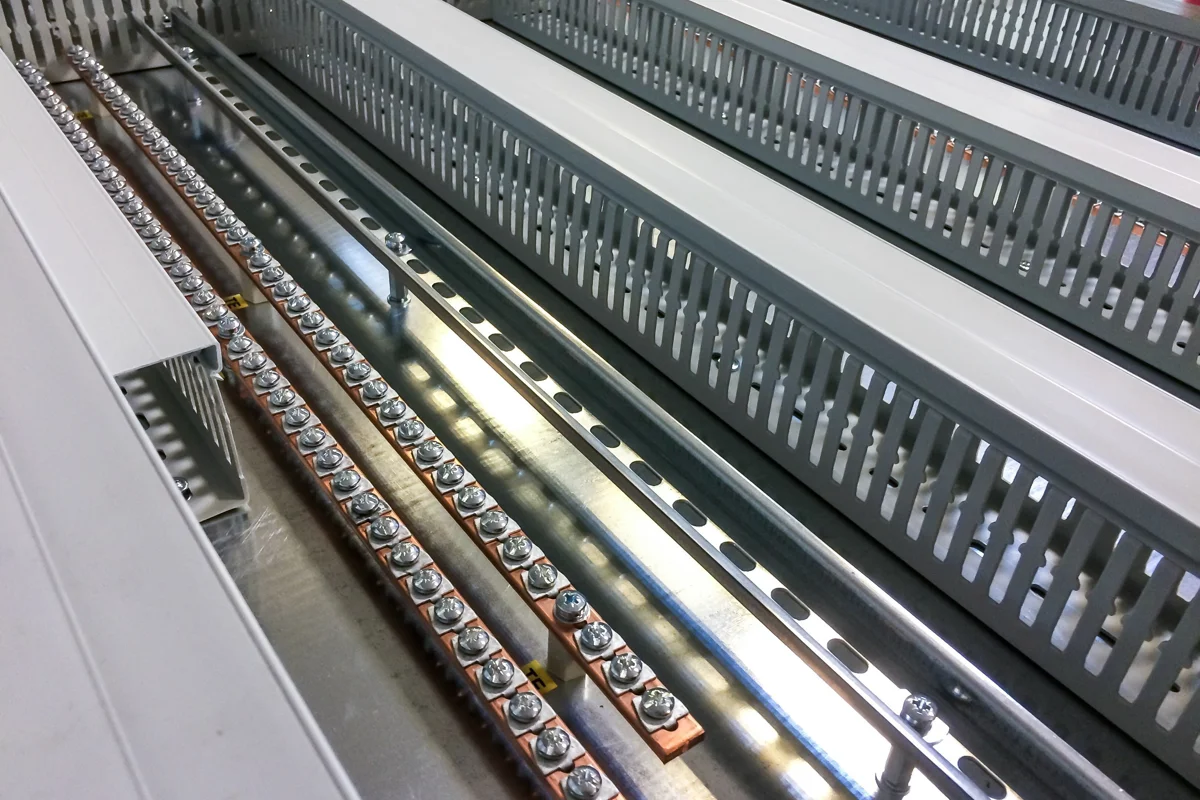
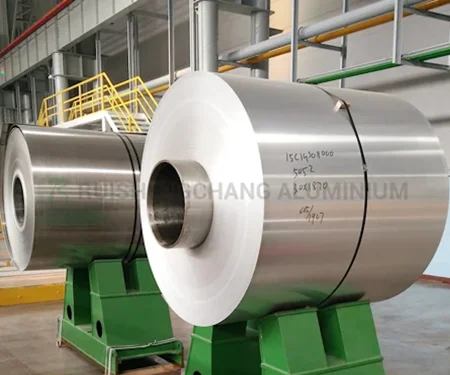
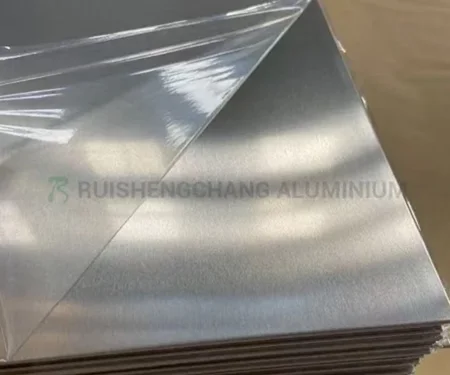
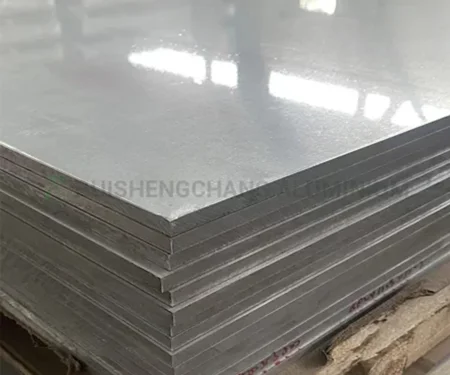
Stock image for referential purposes only
Capral Aluminium is marking its 90th anniversary, highlighting the long-standing role aluminium has played in Australia's industrial development and energy infrastructure.
Capral began in 1936 as the Australian arm of the British Aluminium Company. In the 1930s, aluminium started replacing copper in electrical networks because it was cheaper, lighter and had good conductivity. As power utilities expanded transmission lines, demand for aluminium conductors grew.
The company, first called Australuco and later ALCAN, helped build Australia’s aluminium industry. By the early 1940s, its Granville plant in New South Wales made the country’s first locally produced aluminium sheet and extrusions. Those products supported wartime production and post‑war reconstruction.
Aluminium use expanded with Australia’s growing electricity network through the mid‑20th century. It became common in transmission and distribution lines, substations, and industrial equipment. Over time, use has also increased in construction, transport, marine, and manufacturing sectors.
Today, aluminium remains a key material in Australia's energy transition. Its combination of conductivity, corrosion resistance, durability and strength-to-weight ratio makes it suitable for transmission systems, substations, renewable energy projects, battery infrastructure and solar applications.
According to Capral Chief Executive Officer and Managing Director Tony Dragicevich, the company's 90-year history reflects the resilience and adaptability of Australian manufacturing.
"Reaching this milestone is something we don't take lightly. It reflects the dedication and expertise of our people, along with the enduring strength of our relationships with customers and partners over many years," Dragicevich said.
Explore: The most comprehensive and forward-looking industry-focused report “ALuminium in Packaging: Consumer Trends and Market Dynamics”
He added that while economic and political conditions have changed over the decades, Capral's commitment to Australian manufacturing and supporting local industries has remained unchanged.
One example of aluminium's continuing role in energy infrastructure is Project EnergyConnect, the 900-kilometre interconnector linking electricity networks in New South Wales, Victoria and South Australia. The project is designed to strengthen the National Electricity Market, improve energy security and support greater integration of renewable energy generation.
Within the project, aluminium busbars are used to connect electrical equipment inside substations. These components are custom-engineered to meet specific mechanical and electrical requirements.
Capral supplies aluminium extrusions to PLP Australia for substations at Buronga, Dinawan and Wagga Wagga. More than five kilometres of aluminium busbar have been used across these facilities.
According to PLP Australia General Manager of Sales and Marketing Adam Talbot, material performance and supplier collaboration are critical for infrastructure projects of this scale.
"We engaged with Capral from our early tendering stage, particularly working through ensuring the right alloys for the mechanical strength required within a substation," Talbot said.
Capral's ability to manufacture aluminium extrusions up to 13 metres long reduces the number of joints and welds required during installation, helping improve efficiency and reduce project costs.
Talbot noted that longer extrusion lengths simplify installation, reduce welding requirements and improve onsite assembly.
As Australia expands renewables, aluminium use will grow. It is used for solar frames, mounts, battery enclosures and transmission gear. Recycled aluminium is attractive because it needs far less energy than primary production.
For forward-thinking aluminium market insights amidst supply chain and price challenges, read "ALuminium LeaderSpeak 2026"
The company’s lower-carbon aluminium (LocAL) initiative aligns with rising demand from developers and asset owners for locally produced materials that help reduce environmental impact and support sustainability goals.
Capral is showing its support for Australia's renewable energy manufacturing sector through its partnership with Tindo Solar, the country's only solar panel manufacturer. Under the agreement, Capral supplies extruded aluminium for Tindo's Australian-made solar panels.
Tindo Solar is expanding production and has plans for a future Gigafactory capable of producing up to 7,000 solar panels per day.
Luke Hawkins, Divisional General Manager of Industrial and Supply Chain at Capral, said the partnership demonstrates the opportunities available for Australian manufacturing.
Tindo Solar Chief Executive Officer Richard Petterson added that local supply chain partnerships remain important for building a resilient renewable energy sector.“We’re committed to integrating Australian-made components into our solar panels, and Capral Aluminium is a vital partner in this effort,” Petterson says.

Kingsland Drinks to bottle Vinca wines in 100% recycled aluminium bottles
Next articleGrowing demand for premium beverages boosts aluminium can market in Thailand
Grow with
AL Circle