From peak to plunge: What puts Australia alumina FOB price under pressure in 2025 and what it looks like in 2026
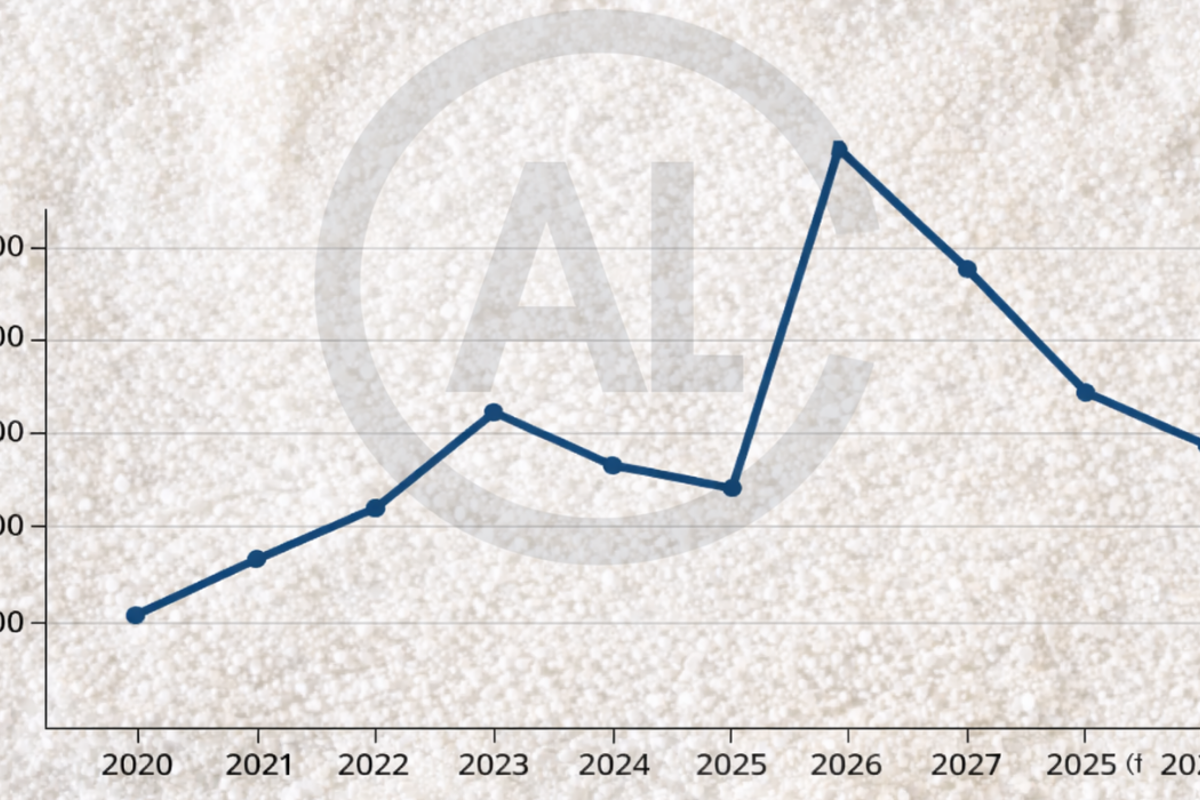
For over a year now, the Australian alumina market has rarely stayed out of the headlines. Sometimes due to capacity curtailment at refineries and sometimes because of the volatile Free On Board (FOB) price, which swung dramatically within a span of a year from as high as USD 700 per tonne in Q4 2024 to USD 317 per tonne in Q4 2025. Factors like freight rates and currency movements to investor sentiment pull at the price lever, yet the fundamental triad of production, demand, and supply plays the most critical role in directing the price movement.
Australia’s benchmark role in the global alumina trade
For being the world’s second-largest supplier of alumina after Guinea, Australia’s alumina FOB price is widely treated as a benchmark for long-term contracts, hedging strategies, and spot trade, making it a reliable barometer of broader market health. For instance, the deflating Australian alumina FOB price through 2025 signals a mounting surplus in the market due to increased production and shipments amidst subdued demand in key consuming regions.
Unlock full access – sign up for FREE.
Key benefits
MONTHLY: China's alumina supply-demand gap may widen in January
Next articleUS bets $450 million to save its last alumina refinery and rebuild gallium from scratch
Grow with
AL Circle