From fuel to strategic asset: White House recasts coal in the US policy
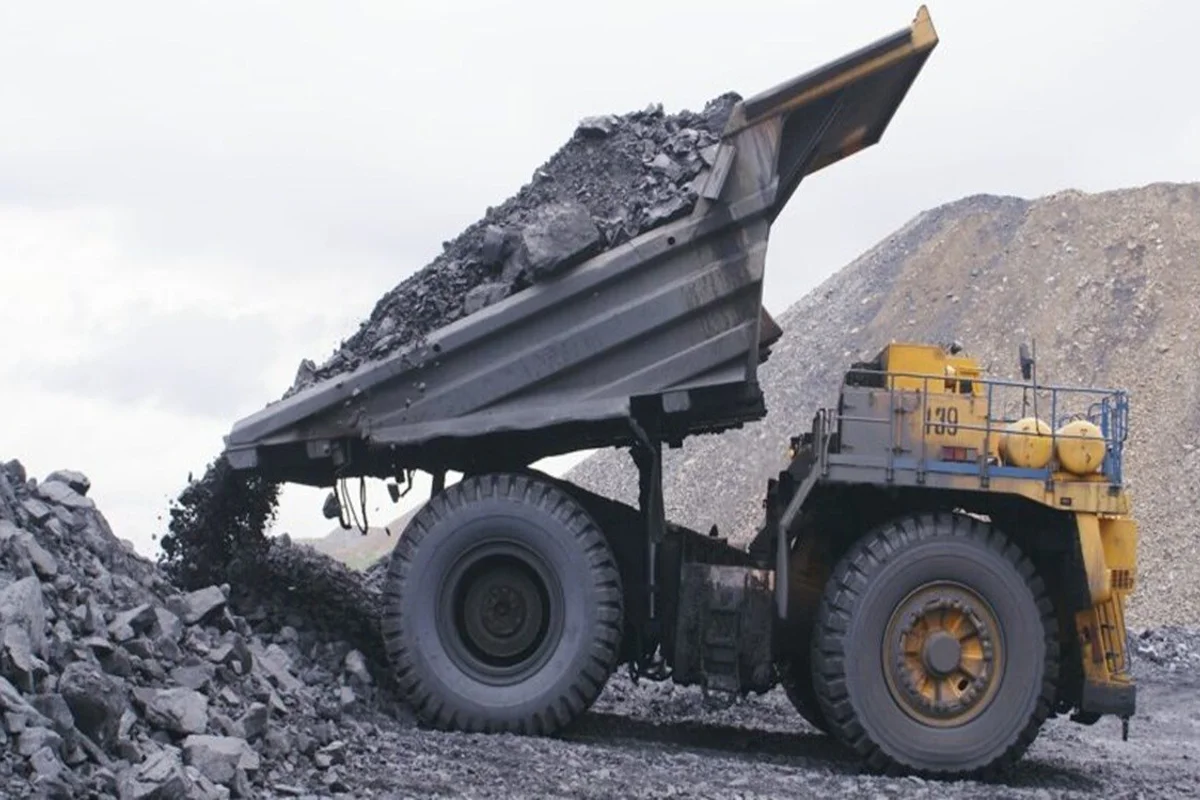
The White House has demonstrated a renewed strategic interest in coal, not simply as a conventional fuel source, but as a potential supplier of rare earth elements and other critical minerals considered vital to national security and advanced manufacturing.
To know more about the global primary aluminium industry 2026 outlook, book the report “Global ALuminium Industry Outlook 2026"
Speaking at the “Champion of Coal” event in Washington, the US President Donald Trump and senior industry executives outlined a broader vision for the sector’s future. Rather than focusing solely on electricity generation, the discussion centred on coal’s possible role in strengthening domestic supply chains for materials essential to defence systems, electronics and emerging technologies.
Jim Grech, Chief Executive of Peabody Energy, said that the industry was collaborating closely with the administration to explore new opportunities, including the construction of additional coal-fired power plants. He emphasised the mineral’s strategic relevance at this point of time, describing it as a potential source of rare earth elements and other critical minerals required to safeguard the country’s economic and security interests.
President Trump linked coal directly to industrial capability, arguing that it underpins sectors ranging from steelmaking and shipbuilding to artificial intelligence infrastructure. He framed the resource as integral to national resilience, particularly at a time when advanced manufacturing and defence capabilities are drawing increased political attention.
Grech also highlighted the scale of American coal reserves, asserting that the United States holds more energy in its coal deposits than any country does in a single comparable energy source. He claimed US coal resources surpass Russia’s natural gas reserves and even Saudi Arabia’s oil in terms of energy potential.
The renewed emphasis on coal comes as critical minerals, including rare earth elements, assume growing importance in global supply chains. These materials are key components in advanced electronics, renewable energy systems, defence equipment and AI-related technologies. Concerns about supply concentration and geopolitical competition have pushed securing domestic sources higher up the policy agenda.
According to Grech, mining communities are already witnessing fresh investment and a revival of confidence. Towns that once faced economic uncertainty, he suggested, are beginning to see renewed optimism and development.
The administration’s approach reflects a wider industrial strategy aimed at reducing vulnerabilities in high-technology sectors by expanding domestic production capacity. By positioning coal as both an energy resource and a mineral source, policymakers appear to be reshaping its place within the broader framework of US economic and security planning.
Don’t miss out- Buyers are looking for your products on our B2B platform

TotalEnergies backs Google’s data centres with 1 GW solar energy supply
Next articleChina versus the West: Here’s how China prepares for critical minerals and strategic tussle
Grow with
AL Circle