France to import higher volume of aluminium cans this year at a lower cost

According to the report revealed by Grand View Research, the global demand for beverage cans is likely to grow between 3.7 per cent and 4 per cent in 2018, with a similar growth trend over the next five years. In the European Union, the beverage cans market is also expected to grow at a CAGR of over 4% between 2017 and 2025, owing to increased recycling activities undertaken by the European Commission, as well as the national governments of France, Germany and the U.K.
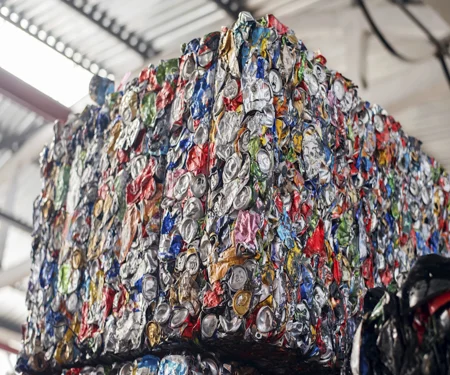
Having said that, the aluminium cans import volume in France is estimated to grow 1.5 per cent this year from 34,343 tonnes in 2017 to 34,860 tonnes in 2018, but likely to remain down by 19 per cent from 43,221 tonnes in 2016.
Germany is expected to lead as an aluminium can exporter to France this year as well, with a 9 per cent hike in volume from 11549 tonnes in 2017 to 12607 tonnes in 2018. Followed Germany, Netherlands is estimated to be the second highest exporter of cans to France with a total volume of 4042 tonnes. Spain is likely to emerge as the third highest exporter with 3161 tonnes and Spain to be the fourth with total 2727 tonnes.

However, despite the growth in import volume this year, France is forecast to see a year-on-year decline in aluminium cans import cost. In 2017, France had to spend US$ 199 million to purchase 34343 tonnes of aluminium cans in total, while this year, the country is expected to spend US$ 181 million to purchase 34860 tonnes. This marks a 10 per cent estimated fall in import cost from the previous year. In 2016, the import value was even higher at US$ 260 million.

It is to be mentioned here that the import volume of aluminium cans to France from Germany is likely to increase but not the cost. Therefore, Germany’s income from aluminium cans export to France would remain lower this year at US$ 61 million, in contrast to US$ 74 in 2017.
Lume Traveler's new aluminium camper with a convertible roof to be displayed in Düsseldorf Caravan show
Next article$100mn alloy wheel plant coming up in Oman
Grow with
AL Circle